


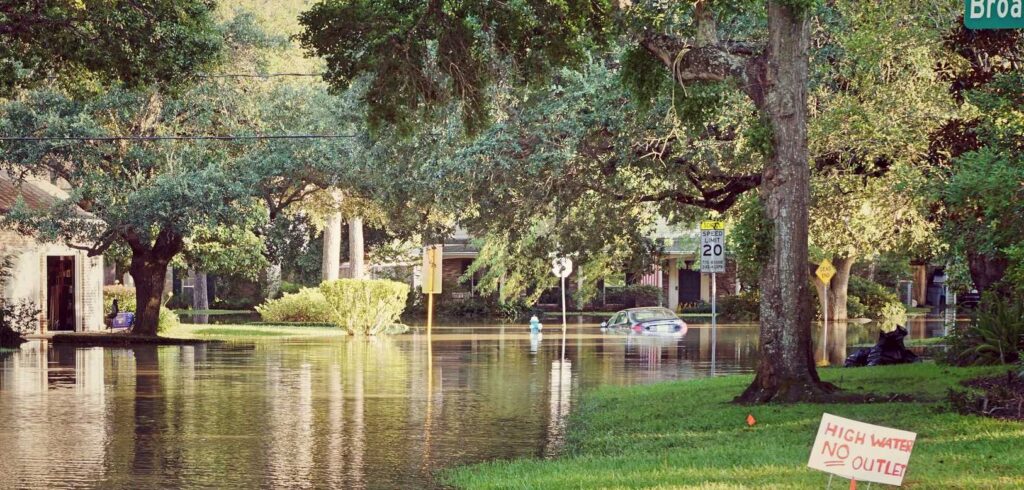
Water damage can spread quickly through a home, affecting flooring, walls, furniture, insulation, and other materials. Knowing how to respond and when to call our professional water damage restoration company can help limit additional water damage and make the recovery process easier to manage.
- Water damage can come from many different sources. Burst pipes, leaking appliances, roof leaks, sewage backups, poor drainage, severe storms, and flooding are all common causes.
- Water damage can become more serious over time. Moisture can spread into hidden areas, weaken building materials, and create conditions where mold can begin to grow.
- Safety should come first after a water emergency. Avoid contaminated water, electrical hazards, and structurally damaged areas, and contact a professional water damage restoration company as soon as possible.
- Professional restoration involves more than removing visible water. Our certified technicians can locate hidden moisture, extract water, remove damaged materials, and use specialized drying equipment to help restore the affected areas.
- Insurance coverage depends on the cause of the damage. Some sudden and accidental water losses may be covered by homeowners insurance, while flooding, long-term leaks, or sewage backups may require separate or additional coverage.
- Acting quickly can help reduce additional damage. Getting PuroClean Certified Restoration involved early can help you begin the drying and water damage restoration process before the problem becomes more extensive.
Let’s take a closer look at each of these main points in more detail.
Top Five Frequently Asked Water Damage Questions
Water damage can turn into a serious problem for your home very quickly. Whether the source is a broken pipe, leaking appliance, severe storm, sewage backup, or another unexpected problem, water can spread into flooring, walls, cabinets, insulation, and personal belongings before you realize how far it has traveled.
Knowing what to do next can help you protect your property and avoid making a difficult situation worse. Here are answers to five frequently asked questions homeowners often have after discovering water damage.
What Causes Water Damage in a Home?
Water damage can come from many different sources. Some problems happen suddenly, while others develop slowly over time and may not be discovered until significant damage has already occurred.
Common causes include burst or leaking pipes, overflowing toilets, malfunctioning washing machines or dishwashers, failed water heaters, roof leaks, foundation leaks, sump pump problems, poor drainage, severe thunderstorms, flash flooding, and sewage backups.
Even a relatively small leak can cause extensive damage if the water travels underneath flooring or behind walls. Larger events, such as a burst pipe or sewage backup, can release a significant amount of water in a very short period of time.
Finding and stopping the source of the water is important, but that is only the beginning. Water that has already entered the home may still need to be extracted, and affected materials may require professional drying and restoration.
Why Is Water Damage Dangerous?
The visible water is often only part of the problem. Moisture can soak into drywall, wood, carpet padding, insulation, and other porous building materials where it may remain long after the surface appears dry.
Depending on where the water originated, there may also be health and sanitation concerns. Water from sewage backups or outdoor flooding can contain bacteria, viruses, chemicals, and other contaminants that homeowners should avoid contacting whenever possible.
Excess moisture can also create conditions that allow mold growth to begin. The longer building materials remain wet, the greater the potential for additional damage to flooring, walls, cabinets, and other parts of the home.
This is one reason quick action is so important. Professional water damage restoration is not simply about removing standing water. It is also about locating hidden moisture and thoroughly drying the affected areas.
What Should I Do After a Flood, Sewage Backup, or Water Leak?
Once you discover water damage, your first priority should be making sure everyone in the home is safe. Avoid entering areas where there may be electrical hazards, contaminated water, structural damage, or other unsafe conditions.
If you can safely stop the source of the water, such as shutting off the home’s main water supply after a broken pipe, doing so may help prevent additional damage.
You should also contact a water damage restoration company as soon as possible. Waiting to see whether an area will dry on its own can allow moisture to continue spreading into surrounding materials.
It is also a good idea to contact your insurance company promptly and begin documenting the damage. Take photos or videos when it is safe to do so, and avoid throwing damaged belongings away until you have received guidance about what should be documented for your claim.
Most importantly, do not put yourself at risk trying to clean up a major water loss on your own. Standing water, sewage, electrical hazards, weakened building materials, and contaminated surfaces can make some situations unsafe without the proper equipment and protective gear.
How Do Our Certified Water Damage Restoration Technicians Handle the Damage?
Every water damage situation is different, so professional restoration begins with evaluating the affected areas and determining how far the moisture has traveled.
Our technicians use specialized moisture detection equipment to identify water that has moved underneath flooring, behind walls, or into other areas that are not immediately visible. Standing water can then be removed using professional extraction equipment.
Materials that cannot be safely or effectively restored may need to be removed. Depending on the extent and type of water damage, this can include carpeting, carpet padding, drywall, insulation, baseboards, cabinetry, upholstery, or other porous materials.
Once the necessary water extraction and removal work has been completed, our technicians can begin the structural drying process. Commercial air movers and dehumidifiers are used to remove moisture from the air and affected building materials.
Drying conditions can then be monitored throughout the process rather than simply assuming an area is dry because it looks or feels dry on the surface.
When contaminated water or microbial growth is involved, additional cleaning, sanitizing, and remediation procedures may also be necessary. We will properly dry and restore the affected areas so your home can safely return to normal.
Will Homeowners Insurance Cover Water Damage?
Whether water damage is covered by homeowners insurance depends on how the damage occurred and the terms of your individual policy.
Many standard homeowners policies provide coverage for certain sudden and accidental events, such as a burst pipe or a water heater failure. However, damage associated with long-term leaks, neglected maintenance, or other ongoing problems may not be covered.
Water entering a home from rising outdoor floodwater is also generally excluded from a standard homeowners insurance policy and typically requires separate flood insurance. Flood insurance may be available through the National Flood Insurance Program or private insurers.
Sewer and drain backups can have their own coverage requirements as well, and some homeowners purchase additional endorsements specifically for these situations.
Because policies and circumstances vary considerably, your insurance provider is the best source for determining exactly what your policy covers. Our restoration company can help document the affected areas and the work performed, while your insurance carrier makes the final coverage determination.
Fast Action Can Make Water Damage Easier to Manage
Preventive maintenance can reduce the likelihood of some types of water damage, but not every water emergency can be predicted. Pipes can burst, appliances can fail, storms can overwhelm drainage systems, and leaks can develop in places you cannot easily see.
When water damage does occur, responding quickly can make a significant difference. The sooner the source is controlled, standing water is removed, and affected materials begin drying, the better the opportunity to limit additional damage.
If you discover water damage in your home, contact PuroClean Certified Restoration. Our experienced restoration professionals can assess the damage, remove unwanted water, dry affected areas, and help you take the necessary steps toward getting your home back to normal.