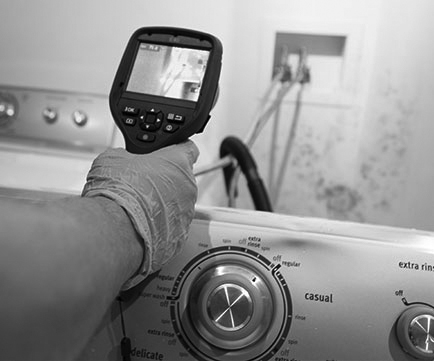
One of the most common questions homeowners ask after mold remediation is whether the mold can come back. The honest answer is yes—but only if the moisture problem that allowed the mold to grow is not fully corrected. Professional mold remediation is designed to remove active mold contamination, clean affected materials, and identify the source of excess moisture. However, if a roof leak, plumbing leak, condensation issue, or high humidity remains unresolved, mold can begin growing again. If you suspect recurring mold in your Springfield home, PuroClean of Springfield provides professional mold remediation, moisture detection, and restoration services. Call (610) 541-8606 today to schedule an inspection.
Can Mold Return After Professional Mold Remediation?
Professional mold remediation is highly effective when the entire problem is addressed. That means removing active mold contamination, cleaning affected materials, drying the structure, and correcting the source of excess moisture. When every part of that process is completed successfully, mold should not simply “grow back.”
However, mold spores naturally exist both indoors and outdoors. They are part of the normal environment and cannot be completely eliminated from a home. What allows those spores to develop into visible mold colonies is moisture. Whenever building materials remain damp long enough, mold spores already present in the environment can begin growing again.
This is why professional mold removal and remediation in Springfield focuses just as heavily on moisture detection as it does on cleaning visible mold. Removing stains without correcting moisture only treats the symptom—not the underlying cause.
For Springfield homeowners, moisture problems are commonly associated with roof leaks, plumbing failures, basement seepage, attic condensation, crawl space humidity, appliance leaks, and storm-related water intrusion. Any of these conditions can create an environment where mold returns months after the original cleanup.
Why Mold Comes Back
When homeowners experience recurring mold, the reason is almost always ongoing moisture. The mold itself was removed, but the conditions that allowed it to grow remained.
Hidden Plumbing Leaks
Small plumbing leaks hidden behind drywall, beneath sinks, inside wall cavities, or beneath flooring often continue unnoticed for weeks or months. Even a slow drip can maintain enough moisture for mold to redevelop after remediation.
If mold developed after a plumbing failure or water intrusion, professional water damage restoration in Springfield helps ensure building materials are thoroughly dried before repairs are completed.
Roof Leaks
Minor roof leaks frequently cause recurring attic mold because moisture continues entering the attic every time it rains. Homeowners sometimes clean or remediate the mold without realizing that damaged flashing, aging shingles, roof penetrations, or chimney details are still allowing water inside.
Unless the roofing problem is corrected, mold often returns even after successful remediation.
High Indoor Humidity
Humidity alone can provide enough moisture for mold growth, particularly in bathrooms, laundry rooms, basements, crawl spaces, and attics. Homes with poor ventilation, inadequate dehumidification, or consistently elevated indoor humidity are much more likely to experience recurring mold problems.
Condensation
Condensation forms whenever warm, humid air contacts cooler surfaces. During Pennsylvania winters, condensation frequently develops on attic roof decking, windows, exterior walls, plumbing lines, and HVAC components. Repeated condensation cycles can keep materials damp long enough for mold to grow.
Poor Ventilation
Bathrooms without functioning exhaust fans, blocked attic ventilation, enclosed crawl spaces, and poorly ventilated utility rooms often trap moisture. Without adequate airflow, building materials remain damp longer, creating favorable conditions for mold.
Signs Mold May Be Returning
Homeowners should remain alert for early warning signs after remediation has been completed. Identifying recurring moisture quickly often prevents another widespread mold problem.
Musty Odors Return
If a musty smell begins returning to the same room or area where mold was previously remediated, moisture may have returned as well. Odors often become stronger after rain, during humid weather, or when the HVAC system is operating.
New Water Stains
Fresh ceiling stains, discoloration around windows, bubbling paint, warped trim, or staining on drywall often indicate new moisture intrusion. Addressing these problems immediately helps reduce the chance of mold returning.
Visible Mold Growth
New mold appearing near the original remediation area usually indicates the moisture source has not been fully resolved or that a new source of moisture has developed. Mold may also appear in nearby rooms if hidden moisture has spread beyond the original affected area.
Increased Indoor Humidity
If your home suddenly feels damp, windows begin fogging more frequently, or condensation develops on cool surfaces, elevated humidity may be creating favorable conditions for new mold growth.
Why Moisture Control Matters
Moisture control is the foundation of successful mold remediation. Mold spores cannot be completely eliminated from any indoor environment, but they cannot develop into active colonies without sufficient moisture.
This is why professional remediation includes moisture mapping, structural drying, humidity evaluation, and recommendations for correcting the underlying cause of the water problem. Simply cleaning mold without drying affected materials or repairing the source of water intrusion often leads to recurring problems.
If remediation requires removal of drywall, insulation, trim, flooring, or structural finishes, PuroClean also provides reconstruction services in Springfield to restore affected areas after cleanup has been completed.
What To Do If Mold Returns After Remediation
If you notice mold returning after a previous remediation project, don’t assume the original cleanup failed. In many cases, new moisture has developed since the remediation was completed. The first priority is identifying where the water is coming from before additional mold has an opportunity to spread.
Begin by looking for obvious signs of moisture, including plumbing leaks, roof leaks, condensation, damp drywall, warped flooring, water stains, or elevated indoor humidity. Take photographs of any visible mold or water damage before disturbing the affected materials.
Avoid sanding, scraping, or painting over the mold. Household cleaners and bleach may temporarily improve appearance, but they do not solve the underlying moisture problem. Professional inspection is the safest way to determine whether the mold represents a new moisture issue or whether hidden moisture remained inside the structure.
If the property has recently experienced flooding, burst pipes, or appliance failures, immediate water damage restoration in Springfield can significantly reduce the likelihood of widespread mold redevelopment.
Professional Mold Remediation Process
When recurring mold is discovered, the remediation process begins much the same way as the original project, but with additional emphasis placed on locating the new or continuing moisture source.
Comprehensive Inspection
Technicians inspect visible mold growth, surrounding building materials, humidity levels, plumbing systems, roofing conditions, crawl spaces, attics, and other potential moisture sources. Moisture meters help identify hidden dampness behind walls, beneath flooring, and inside structural framing.
Containment
If mold has spread beyond a very small area, containment barriers and HEPA air filtration may be installed to help reduce airborne mold particles during remediation. Proper containment helps protect unaffected portions of the home while cleanup is underway.
Cleaning and Removal
Salvageable building materials are cleaned using appropriate remediation procedures. Materials that cannot be effectively restored because of contamination or moisture damage may require removal and replacement.
Structural Drying
If elevated moisture is present, commercial air movers and dehumidifiers are used to dry structural materials before repairs begin. Thorough drying is essential because mold can return if moisture remains trapped inside framing, drywall, insulation, or flooring.
Correcting the Moisture Source
The most important step in preventing future mold growth is correcting whatever introduced moisture into the building. Depending on the property, this may involve plumbing repairs, roof repairs, improved ventilation, crawl space moisture control, humidity reduction, or drainage improvements around the foundation.
Final Evaluation
Following remediation, technicians review the completed work, verify drying objectives have been achieved, and discuss recommendations for preventing future mold growth.
How to Prevent Mold From Returning
The best protection against recurring mold is controlling moisture before it becomes a problem. Homeowners should routinely inspect plumbing fixtures, water supply lines, roofing systems, attic ventilation, crawl spaces, and basement walls for early signs of water intrusion.
Maintaining indoor humidity below recommended levels, using bathroom exhaust fans, repairing leaks promptly, and responding quickly to flooding or water damage can dramatically reduce the likelihood of future mold problems.
If carpeting has been affected by moisture but remains salvageable, professional carpet cleaning services in Springfield may also help restore affected soft surfaces after drying has been completed.
Related Springfield Restoration Services
Recurring mold often indicates another moisture-related issue that should be addressed. If your property has experienced flooding, burst pipes, or plumbing leaks, professional water damage restoration in Springfield should be completed before mold remediation.
If drywall, insulation, flooring, or structural finishes require replacement after remediation, PuroClean also provides reconstruction services in Springfield to fully restore your property.
For comprehensive mold remediation services, visit our Mold Removal & Remediation in Springfield page.
You may also find these Springfield homeowner resources helpful:
- 7 Warning Signs You Need Mold Remediation in Springfield
- Mold Removal vs. Mold Remediation: What’s the Difference?
- How Much Does Mold Remediation Cost in Springfield?
For additional homeowner guidance on preventing mold and controlling indoor moisture, visit the U.S. Environmental Protection Agency Mold Resources.
Frequently Asked Questions
Does recurring mold mean the first remediation failed?
Not necessarily. In many cases, new moisture develops after remediation or an unrelated plumbing, roofing, or humidity issue creates conditions for mold to return.
Can mold grow again even after professional remediation?
Yes. Mold spores naturally exist in the environment. If moisture returns, new mold growth can occur even after a successful remediation project.
How can I tell if mold has returned?
Common warning signs include musty odors, new water stains, visible discoloration, elevated indoor humidity, condensation, or mold appearing near previously affected areas.
How quickly should recurring mold be addressed?
As soon as possible. Prompt remediation helps reduce structural damage, limits mold growth, and minimizes restoration costs.
Can PuroClean identify why mold keeps returning?
Yes. Professional inspections focus on locating the underlying moisture source so recommendations can be made to help prevent future mold growth.
Schedule Mold Remediation in Springfield
If mold has returned after a previous cleanup, don’t ignore the warning signs. PuroClean of Springfield provides professional mold remediation, moisture detection, structural drying, water damage restoration, and reconstruction services throughout Springfield and surrounding Delaware County communities.
Our experienced restoration professionals identify the source of recurring moisture, safely remediate mold contamination, and help protect your home from future mold problems.
Call PuroClean of Springfield today at (610) 541-8606 to schedule your mold inspection.