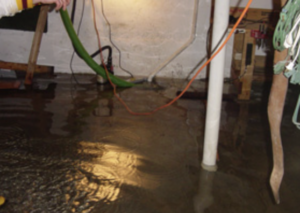
24/7 Emergency Water Extraction Springfield Services in Springfield, PA
Emergency water extraction is the first and most important step in reducing damage after a burst pipe, basement flood, roof leak, appliance failure, sewage backup, storm damage, or plumbing emergency. Standing water can quickly spread through flooring, drywall, insulation, cabinetry, and structural framing. Professional emergency water extraction in Springfield removes standing water, locates hidden moisture, begins structural drying, and helps prevent mold growth and additional property damage before repairs become more extensive.
Emergency water extraction is the process of removing standing water from a home or commercial property immediately after a water loss. It is the first stage of professional water damage restoration and helps limit the amount of water absorbed into structural materials, furnishings, and personal belongings.
Water extraction does far more than remove visible water. Restoration professionals also identify hidden moisture, evaluate affected materials, and begin the drying process before secondary damage develops.
Whether the water entered through a burst pipe, overflowing appliance, sump pump failure, roof leak, or storm damage, rapid extraction helps reduce structural deterioration, mold growth, odors, and restoration costs.
Many homeowners assume the job is complete once standing water disappears. In reality, moisture often remains beneath flooring, inside drywall, behind cabinetry, within insulation, and throughout structural framing long after the visible water has been removed.
Water emergencies can happen without warning. Understanding what caused the damage helps determine the safest restoration approach and reduces the likelihood of future problems.
One of the most common causes of emergency water extraction is a burst plumbing line. A single broken pipe can release hundreds of gallons of water into a property within a short period of time.
Heavy rainfall, hydrostatic pressure, failed sump pumps, clogged footing drains, and foundation seepage frequently allow groundwater to enter basements during severe weather.
Damaged roofing materials, flashing failures, or fallen tree limbs can allow water to enter attic spaces before spreading into ceilings, walls, insulation, and flooring.
Dishwashers, washing machines, refrigerators, water heaters, and HVAC equipment can all leak unexpectedly, causing extensive damage before the problem is discovered.
Blocked sewer lines and drain backups require immediate extraction because contaminated water presents additional health risks and often requires specialized cleaning procedures.
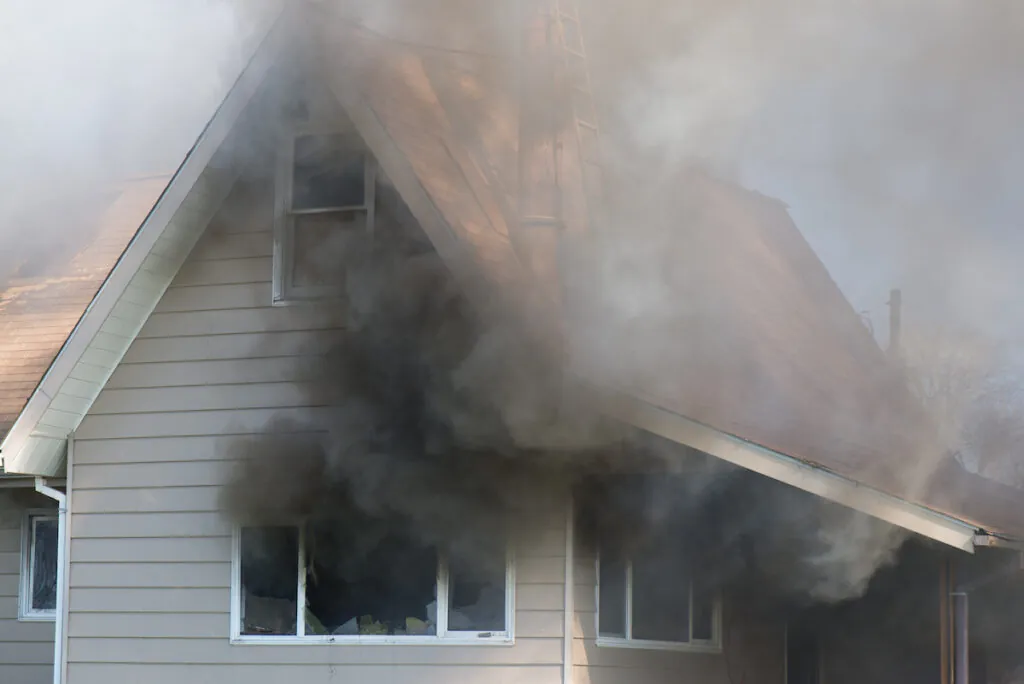
Even after a fire has been extinguished, large amounts of water often remain inside the property. Fast extraction helps reduce additional damage while restoration begins.
If flooding has already affected lower levels of the property, professional Basement Flood Cleanup in Springfield may also be necessary to remove standing water and begin structural drying.
Standing water begins damaging building materials almost immediately. As moisture spreads, it is absorbed into porous materials and migrates through walls, flooring systems, insulation, cabinetry, and structural framing.
Common damage includes:
Water also moves by capillary action, allowing moisture to wick upward into drywall, framing, and insulation well above the original water line. This hidden moisture often becomes the source of future mold growth if it is not professionally dried.
Some water losses are immediately obvious, while others continue causing damage before becoming fully visible.
If you notice any of these warning signs, immediate water extraction helps reduce additional damage and allows structural drying to begin before moisture spreads farther throughout the property.
Taking the right steps immediately after discovering water damage can improve safety and reduce additional property damage.
While shop vacuums and household fans may help remove small amounts of surface water, they rarely remove hidden moisture trapped beneath flooring or inside structural materials. Professional equipment is designed to remove significantly more water while supporting controlled structural drying.
Successful water damage restoration begins with understanding the full extent of the loss—not just the water you can see. Standing water is often only one part of the problem. Moisture frequently spreads beneath flooring, inside wall cavities, above ceilings, beneath cabinetry, and into structural framing long before visible damage appears.
Professional emergency water extraction in Springfield begins with locating the water source, identifying affected materials, measuring moisture levels, and determining which building materials can be restored. Every drying plan should be based on measured data rather than visual inspection alone.
Restoration technicians create a moisture map of the property using commercial moisture meters. Readings are compared throughout the structure to determine the boundaries of the affected area and establish drying goals.
Thermal imaging cameras help identify temperature differences that may indicate hidden moisture behind drywall, beneath flooring, or inside ceilings. These images guide additional testing while reducing unnecessary demolition.
Not every water loss is treated the same. Restoration professionals evaluate whether the water originated from a clean plumbing source, contained significant contaminants, or involved sewage. Proper classification helps determine cleaning procedures, safety precautions, and whether certain materials can be salvaged.
Concrete, hardwood, engineered flooring, carpet, drywall, insulation, cabinetry, and framing all respond differently to water. Each material is evaluated individually before restoration begins.
After the inspection is complete, professional Structural Drying in Springfield begins removing hidden moisture from structural materials before additional damage develops.
Professional water extraction follows a systematic process designed to remove standing water quickly while minimizing secondary damage and reducing unnecessary demolition.
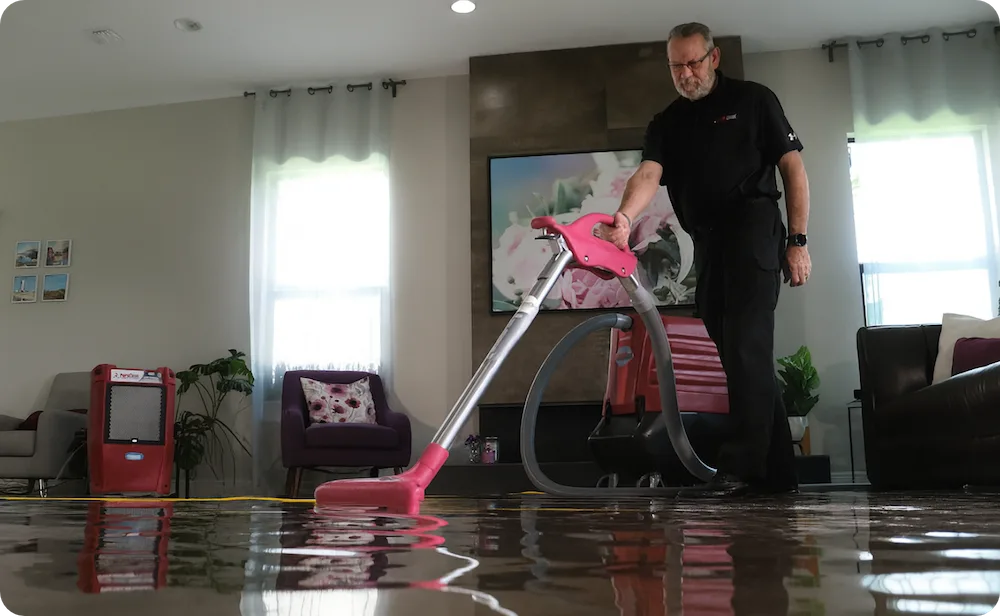
Commercial extraction equipment removes standing water from flooring, crawl spaces, basements, and other affected areas. Fast extraction reduces the amount of water absorbed into structural materials.
After visible water has been removed, technicians inspect the property for hidden moisture that may remain inside walls, beneath flooring systems, inside insulation, beneath cabinetry, or throughout framing.
Each affected material is evaluated to determine whether it can be successfully restored or whether selective removal is necessary to allow complete drying.
Commercial air movers and dehumidifiers work together to reduce moisture levels throughout the structure. Equipment placement is adjusted throughout the drying process based on moisture readings.
Daily monitoring confirms that moisture levels continue moving toward established drying goals. Restoration is not considered complete until affected materials have returned to acceptable moisture levels.
Removing standing water is only the beginning of the restoration process. Hidden moisture often remains trapped inside structural materials after the visible water has been extracted. Professional structural drying reduces the risk of swelling, warping, odors, microbial growth, and additional deterioration.
High-volume air movers accelerate evaporation from wet materials while promoting consistent airflow throughout the affected areas.
Low-grain refrigerant dehumidifiers remove moisture from the air as wet materials release water vapor, allowing drying to continue efficiently.
Restoration technicians return throughout the project to record moisture readings, adjust equipment placement, and verify drying progress. Drying decisions are based on measurements—not estimates.
Many building materials can be restored if mitigation begins quickly. The decision to dry or replace a material depends on the water category, contamination level, exposure time, and material condition.
Wood flooring may be restorable if drying begins before excessive swelling or delamination occurs. Moisture monitoring determines whether stabilization is possible.
Water frequently wicks upward into drywall and insulation. Depending on the source of the water and the duration of exposure, selective removal may be necessary.
Cabinets, baseboards, and wood trim are evaluated for swelling, structural stability, and moisture content before restoration decisions are made.
Furniture, electronics, documents, and personal belongings may often be restored when professional mitigation begins early.
Water damage claims often require detailed documentation. Restoration professionals record moisture readings, equipment usage, drying progress, photographs, and affected materials throughout the mitigation process.
Coverage depends on both the source of the water and the homeowner’s insurance policy. Sudden plumbing failures are frequently handled differently than groundwater intrusion or regional flooding. Thorough documentation helps support the claims process and demonstrates the steps taken to reduce additional damage.
Although not every water emergency can be prevented, routine maintenance can significantly reduce the likelihood of future losses.
Preventive maintenance often costs far less than repairing extensive water damage after a major loss.
Standing water should never be ignored. The longer water remains inside a property, the greater the likelihood of structural damage, mold growth, material deterioration, and higher restoration costs.
PuroClean of Springfield provides professional emergency water extraction, structural drying, moisture detection, water damage restoration, and mold remediation throughout Springfield and surrounding Delaware County communities.
Whether your property has experienced a burst pipe, basement flood, roof leak, appliance failure, sewage backup, or storm damage, rapid response can help reduce secondary damage and begin the restoration process immediately.
Immediately. Fast extraction reduces moisture absorption, structural damage, and the likelihood of mold growth.
No. Hidden moisture often remains beneath flooring, inside walls, and throughout structural materials. Professional drying is required to complete the restoration process.
Prompt extraction and structural drying significantly reduce the conditions that allow mold to develop.
They use moisture meters, thermal imaging cameras, hygrometers, and material-specific testing to locate moisture that cannot be seen during a visual inspection.
Coverage depends on the source of the water damage and the terms of your insurance policy. Contact your insurance carrier to verify your coverage.
Most drying projects take several days, although the timeline depends on the amount of water, affected materials, humidity, and building conditions.
No. Clean water, contaminated water, and sewage each require different restoration procedures and safety precautions.
Call as soon as you discover standing water, active leaks, or signs of hidden moisture. Early intervention often reduces repair costs and increases the number of materials that can be restored.
What Our Customers Say:
Find answers to common questions about our services
You can check the walls and ceilings for water stains, the floors for warping and buckling, and the pipes for corrosion, leaks, missing grout, and mold. Attics and basements may have damaged flooring, mildew or mold, dampness, and odors. Also, be sure to inspect the exterior of the home for cracked roof tiles, puddles, standing water, and whether the ground is sloping away from the house.
First, if safe, shut off the utilities in your home to avoid further damage. Don’t enter your home if it has suffered structural damage. Don’t walk through floodwater if electricity hasn’t been turned off, and avoid contaminants. Next, contact a water-damage restoration company, such as PuroClean of Springfield, PA, as soon as possible. Don’t wait, as water can cause mold and irremediable damage to the wood, walls, and carpet. Then, depending on the extent of the damage and the recommendation of the remediation company, contact your insurance provider to start the claim process.
There are many variables that determine whether a flooded property can be saved: the amount of water, and even more important, the amount of time the water was in/around the property. Every situation is different, and PuroClean of Springfield, PA expert restoration professionals can determine what can be salved once one site.
Property water damage can pose several dangers including structural instability, electrical hazards, mold and mildew growth leading to health issues, contamination from sewage or chemicals, and potential collapse of weakened structures.
Water flooding can cause extensive damage including structural damage to walls, floors, and foundations, damage to personal belongings, electrical hazards, and potential health risks from mold and bacteria growth. The longer water sits, the more severe the damage becomes.
Water damage can result from unexpected leaks, flooding from storms, plumbing failures, or appliance malfunctions. Our certified teams focus on rapid water removal, drying, and stabilization to help prevent further damage and mold growth.
 Explore Our Water Damage Mitigation Services
Even after a fire is extinguished, smoke, soot, and odor can continue to affect your home. Fire damage restoration services address visible damage while also helping reduce lingering effects that impact indoor air quality and surfaces.
Explore Our Fire and Smoke Damage Restoration Services
Mold often develops as a result of unresolved moisture or hidden water damage. Professional mold remediation helps identify affected areas, contain growth, and restore healthy indoor conditions.
Explore Our Mold Removal and Remediation Services
Biohazard situations, including crime scene cleanup and virus decontamination, require specialized cleaning and handling to protect health and safety. Biohazard cleanup services address contamination using proper protocols and professional care.
Explore Our Biohazard Cleanup Services
In some cases, property damage requires repairs beyond cleanup and mitigation. Reconstruction services help restore damaged areas of the home after water, fire, or other incidents, supporting a smoother transition from damage to recovery.
Explore Our Reconstruction Services Services
Expert commercial water damage restoration for Springfield, PA businesses. PuroClean of Springfield, PA provides rapid water extraction, structural drying, and water damage repair
Explore Our Commercial Water Damage Restoration Services
Certified commercial mold remediation and prevention for Springfield, PA businesses. PuroClean of Springfield, PA provides mold assessment, contained removal,
Explore Our Commercial Mold Remediation Services
Professional commercial fire and smoke damage restoration for Springfield, PA businesses. PuroClean of Springfield, PA provides fire damage cleanup, smoke odor
Explore Our Commercial Fire Damage Restoration Services
Licensed commercial biohazard cleanup and decontamination for Springfield, PA businesses. PuroClean of Springfield, PA provides biohazard remediation, trauma
Explore Our Commercial Biohazard Cleanup Services
Water damage can result from unexpected leaks, flooding from storms, plumbing failures, or appliance malfunctions. Our certified teams focus on rapid water removal, drying, and stabilization to help prevent further damage and mold growth.
Explore Our Water Damage Mitigation Services

PuroClean of Springfield, PA
(610) 541-8606
1001 Baltimore Pike, Suite 201 #15, Springfield, PA 19064
© 2026 PuroClean. All Rights Reserved.