


Table of Contents
How to get rid of mold on painted walls starts with identifying moisture, cleaning the surface correctly, and knowing when DIY is no longer safe. Small areas of surface mold can often be removed with proper cleaning and drying, but recurring or spreading mold usually signals hidden moisture behind the paint. Acting early protects your walls, indoor air quality, and health—especially in homes across Springfield, where humidity and seasonal weather changes can contribute to mold growth.
What Is Mold on Painted Walls?
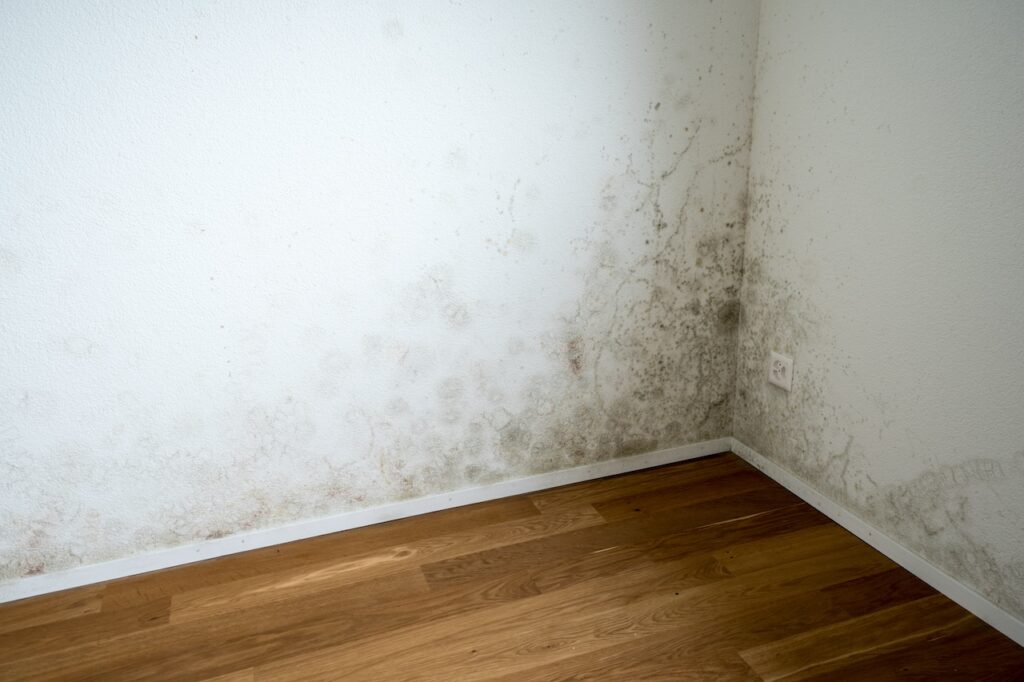
Mold on painted walls is a fungal growth that develops when moisture becomes trapped on or beneath painted surfaces. While paint may appear solid, it can trap humidity, allowing mold to grow underneath or on the surface.
Painted drywall is particularly vulnerable because it is porous beneath the paint layer.

Baking soda and hydrogen peroxide are fast-acting, but they don’t have the antifungal properties of vinegar.
Why Mold Grows on Painted Walls
Mold does not grow because of paint—it grows because of moisture. Painted walls often hide moisture problems longer than unfinished surfaces.
Common causes include:
- High indoor humidity
- Bathroom or kitchen steam
- Roof or plumbing leaks
- Condensation on exterior walls
- Poor ventilation
Without addressing moisture, mold will return even after cleaning.

Consider using mold-resistant paints and also those with tougher enamel (like satin finishes).
How to Get Rid of Mold on Painted Walls Safely
Step 1: Confirm the Mold Is Surface-Level
Surface mold usually appears as small black, green, or gray spots and wipes away easily. If the wall feels soft, warped, or smells musty after cleaning, mold may be growing behind the paint.
Large areas or repeated growth should be treated as a professional issue.
Step 2: Protect Yourself Before Cleaning
Mold spores become airborne during cleaning, so basic protection is important.
Wear:
- Gloves
- Eye protection
- A mask or respirator
- Long sleeves
This reduces exposure and prevents spores from spreading.
Step 3: Clean the Mold Correctly
For small areas, gentle cleaning is usually effective.
Use:
- Mild detergent and warm water, or
- Vinegar solution for light growth
Avoid abrasive scrubbing that can damage paint and spread spores. Always dry the wall completely afterward.
Step 4: Dry and Ventilate the Area
Drying is just as important as cleaning. Moisture left behind will allow mold to return.
- Open windows when possible
- Use fans or dehumidifiers
- Improve airflow in the room
Walls must stay dry for mold removal to be effective.
Step 5: Monitor for Regrowth
Check the cleaned area over the next few weeks. If mold reappears, the issue is likely hidden moisture behind the paint or inside the wall cavity.
Recurring mold is a strong sign that professional remediation is needed.

A dehumidifier can help manage difficult areas that are plagued by moisture or lack of airflow.
For further guidance on preventing indoor mold, visit the EPA’s Mold Resources page. The site offers in-depth tips on managing mold growth and improving indoor air quality.
DIY Cleaning vs. Professional Mold Removal
| Situation | DIY Safe? | Professional Recommended? |
|---|---|---|
| Small surface spots | Yes | No |
| Repeated mold growth | No | Yes |
| Soft or damaged drywall | No | Yes |
| Strong musty odors | No | Yes |
| Health sensitivities | No | Yes |
This comparison helps determine when cleaning is no longer enough.
Why Painting Over Mold Doesn’t Work
Painting over mold does not remove it. Mold can continue growing beneath the paint and eventually break through again.
Anti-mold paints can help prevent growth but should only be applied after proper cleaning and moisture control.
How to Prevent Mold on Painted Walls
Prevention focuses on controlling moisture long-term.
Effective strategies include:
- Using exhaust fans in bathrooms and kitchens
- Running a dehumidifier in humid areas
- Fixing leaks promptly
- Insulating exterior walls to reduce condensation
- Keeping indoor humidity below 50%
These steps significantly reduce future mold risk.
When to Call PuroClean
If mold keeps returning or spreads beyond a small area, contact PuroClean. Professional teams can identify hidden moisture, safely remove mold, and restore affected materials for homes in Springfield and surrounding areas.
Professional remediation ensures the problem is solved at the source—not just on the surface.
FAQs: How to Get Rid of Mold on Painted Walls
Can I remove mold from painted walls myself?
Yes, if the area is small and the moisture problem is resolved. Larger or recurring growth should be handled professionally.
Is bleach safe to use on painted walls?
Bleach may discolor paint and does not penetrate porous materials effectively. Gentle cleaners are usually safer.
Why does mold keep coming back after cleaning?
Recurring mold usually means moisture is trapped behind the paint or inside the wall.
Is mold on painted walls dangerous?
It can be, especially for people with allergies, asthma, or weakened immune systems.
Should I repaint after removing mold?
Only after the wall is fully dry and the moisture source has been fixed.
Call to Action
If you’re unsure how to get rid of mold on painted walls or suspect hidden moisture, contact PuroClean in Springfield, VA at (703) 334-0410 for a professional inspection and safe mold remediation.
Key Takeaways
- Professional help ensures complete, lasting removal
- Mold on painted walls is caused by trapped moisture
- Small surface mold can sometimes be cleaned safely
- Drying and ventilation are critical after cleaning
- Painting over mold does not solve the problem
- Recurring mold often indicates hidden moisture