 PuroClean of Springfield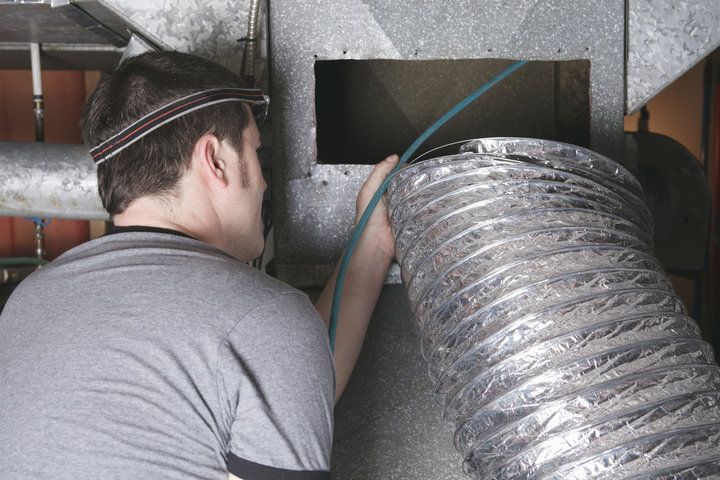
Table of Contents
If you’ve noticed musty odors, unexplained allergies, or visible mold around your air vents, the culprit may be hiding where you least expect it — inside your air ducts. Your home’s HVAC system circulates air daily, and when moisture, dust, and mold spores combine, it can create the perfect environment for contamination.
In this guide, PuroClean of Springfield explains how to identify and remove mold in air vents, what health risks it poses, and how regular air duct cleaning can improve your indoor air quality and protect your family’s health.
The Negative Effects of Mold in Air Vents
Mold inside your air ducts doesn’t just cause unpleasant odors — it can also lead to serious health issues. As the system circulates air, mold spores spread through every room, lowering indoor air quality.
Common health symptoms linked to mold in air vents include:
- Coughing, wheezing, or shortness of breath
- Nasal congestion, headaches, or sinus infections
- Eye irritation and skin rashes
- Fatigue, nausea, or dizziness
Long-term exposure can be especially dangerous for people with asthma, allergies, or weakened immune systems. According to the Environmental Protection Agency (EPA), high indoor mold concentrations can cause chronic respiratory problems and worsen pre-existing conditions.
If your Springfield home smells musty when the HVAC system runs — or if you see dark streaks around your air vents — it’s time to investigate.

How to Check for Mold in Air Ducts
Because HVAC systems are enclosed, detecting mold isn’t always easy. Here are a few ways to determine whether your ducts may be affected:
- Smell Test: A musty odor that becomes stronger when the heating or cooling is on often signals mold growth inside the ductwork.
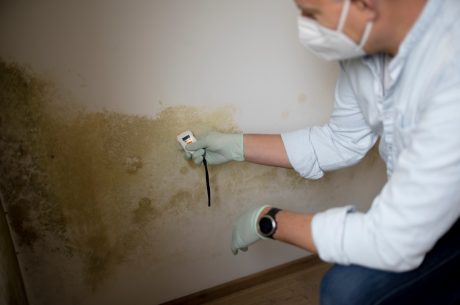
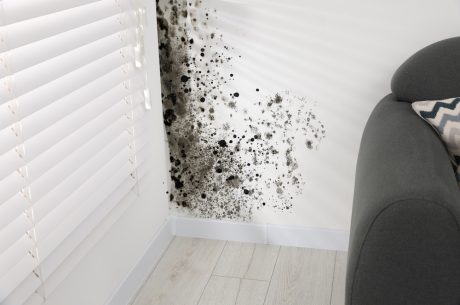
- Visual Inspection: Look for dark spots or fuzzy growth around air vents, grills, or inside duct openings.
- Moisture Presence: High humidity or water leaks near vents increase the likelihood of mold.
- Allergy Symptoms: If your symptoms worsen indoors or improve when you leave home, mold in your air vents could be to blame.
- Professional Mold Testing: For confirmation, contact a certified inspector. Specialists collect samples from your ducts and send them for lab testing to identify mold species and contamination levels.
Because mold spores are microscopic, it’s easy to mistake them for dust. Professional testing ensures accurate results and prevents unnecessary cleaning costs.
How to Get Rid of Mold in Air Ducts
Here are our proven steps to get rid of mold in air ducts.
- Stop the HVAC unit. Don’t run the HVAC system if you suspect mold is growing in your AC ducts. Doing so prevents mold from spreading even more throughout your home.
- Examine the air duct type. Find out what comprises your ductwork: fiberglass, flex duct, or metal sheet. Depending on the duct material type, different cleaning methods and charges apply. Removing mold from bare sheet metal is much easier. However, if your ducts are made of fiberglass or insulated internally with fiberglass duct liner, they can’t be effectively cleaned and should be replaced.
- Hire a mold removal company. Removing mold from your sheet metal ducts is challenging, time-consuming, and dangerous. The cleaning must be done safely and correctly using specialized tools and cleaners to prevent mold from growing back. A professional mold removal company can also address the causes that allowed mold to grow in the first place.
- Know who you hire. The National Air Duct Cleaning Association (NADCA) regulates air duct cleaning services. Professional air duct cleaning involves using Environmental Protection Agency (EPA)-approved products and processes for effective mold removal. In addition, steam cleaning and other methods involving moisture should not be used on any ductwork. Ensure the company you hire adheres to NADCA standards and uses the recommended tools and products.
How to Prevent Mold in Air Ducts
Learning to eliminate mold in air ducts is only half of the work. Once the mold is removed following proper procedures, find out what caused it to grow and take steps to eliminate the causes. Follow these HVAC mold prevention guidelines:
- Control the humidity levels in your home. Use a dehumidifier if your home is prone to high humidity.
- Check for water leaks in the walls. If they’re too slow, you won’t be able to detect them right away, but over time, they’ll become ideal breeding grounds for mold in your air ducts and moisture damage throughout your house.
- Make sure that AC drain pans slope toward the drain. This helps remove standing water under the cooling coils of AC units. Also, ensure your HVAC components and drain pans are easily accessible for proper cleaning and maintenance.
- Get an HVAC Preventative Maintenance Plan. This is an effective method to monitor mold and keep your HVAC system healthy. It can assist in preventing the causes of mold by ensuring there are no problems that can allow moisture leaks. Regular maintenance prevents breakdowns and keeps your cooling mechanism operating smoothly.
- Get periodic air duct cleanings. Duct cleaning isn’t generally part of regular preventative maintenance. You’ll undoubtedly want duct cleaning if mold appears in the air ducts, but bear in mind that if you live in a humid environment or have recurring mold, you may benefit from having it done regularly.
- Install UV light and ionization air purifiers. These can eliminate mold and other particles, including viruses and germs. Passive systems can effectively remove particles on surfaces in your HVAC system (such as the coils and fan units.) At the same time, active systems can also destroy airborne contaminants, such as odors and harmful VOCs.
- Keep supply and return vents clear of obstructions to prevent condensation from causing mold in air vents. Consider adding ventilation in rooms with a lot of humidity, like bathrooms and kitchens.
How Mold in Air Ducts Affects Springfield, VA Homes
Springfield’s mix of humid summers and cold winters creates an ideal environment for HVAC condensation. Over time, this moisture collects inside ducts, especially in older or poorly sealed systems.
Local homeowners often notice:
- Persistent musty odors even after cleaning
- Increased allergy symptoms indoors
- Reduced HVAC efficiency and higher utility bills
If you live in Springfield, Burke, Annandale, or Fairfax, your system may need more frequent duct inspections due to regional climate conditions.
Final Thoughts
Your air ducts play a major role in maintaining healthy indoor air — but when neglected, they can become a hidden source of mold and allergens. Regular inspection, moisture control, and professional duct cleaning are essential for keeping your Springfield, VA home safe and comfortable.
If you suspect mold in your air vents, don’t ignore it. Call the local experts at PuroClean of Springfield for reliable, certified air duct cleaning and mold remediation services.
Call (703) 334-0410 or visit our website to schedule an inspection today.
Frequently Asked Questions
1. How often should air ducts be cleaned?
Most experts recommend every 3–5 years, but Springfield homeowners may benefit from annual inspections due to humidity.
2. Can mold in air vents make you sick?
Yes. Exposure to mold spores can cause allergies, respiratory irritation, and fatigue — especially in children, seniors, or those with asthma.
3. How can I tell if my ducts need professional cleaning?
Signs include visible mold, persistent odors, dust blowing from vents, or increased allergy symptoms indoors.
4. Is air duct cleaning worth it?
Absolutely. Clean ducts improve air quality, boost HVAC efficiency, and prevent costly mold-related repairs.
5. Does homeowners or renters insurance cover air duct mold removal?
Coverage depends on the cause. Mold from sudden leaks or disasters may be covered, but neglect-related growth usually isn’t.
Summary
- Mold in air vents can cause allergies, odors, and respiratory problems.
- Regular air duct cleaning prevents contamination and improves air quality.
- Springfield’s humid climate makes HVAC maintenance especially important.
- PuroClean of Springfield offers expert duct cleaning and mold removal services.
 PuroClean of Springfield