 PuroClean of Springfield
Table of Contents
Ultrasonic cleaning restores fire-damaged items by using high-frequency sound waves in a liquid bath to remove soot, smoke residue, and contaminants from hard-to-reach areas—without scrubbing or abrasion. It’s especially effective for delicate, intricate, or high-value items that traditional cleaning can’t safely restore.
After a fire, residues aren’t just visible soot. Smoke acids and microscopic particles settle into crevices, electronics, and fine details. Ultrasonic cleaning targets those hidden contaminants quickly and safely.
What Is Ultrasonic Cleaning?
Ultrasonic cleaning is a restoration method that uses high-frequency sound waves (ultrasound) in a liquid solution to create microscopic bubbles that implode—a process called cavitation—to dislodge contaminants from surfaces.
This process reaches internal channels, tight gaps, and complex geometries that manual cleaning cannot access.
How Ultrasonic Cleaning for Fire Damage Works
Step-by-Step Process
- Item assessment to confirm suitability for ultrasonic treatment
- Immersion in a specialized cleaning solution
- Ultrasonic activation creates cavitation bubbles
- Contaminant removal from surfaces and crevices
- Rinsing and drying to prevent residue or corrosion
Because cavitation acts uniformly, items are cleaned thoroughly without mechanical force—ideal for fire-damaged belongings.
Why Ultrasonic Cleaning Is Effective After Fires
Fire damage leaves behind smoke residues that are acidic and corrosive. Ultrasonic cleaning for fire damage removes these residues before they cause long-term deterioration.
Key advantages include:
- Deep, uniform cleaning across complex surfaces
- Non-abrasive treatment for fragile items
- Consistent results with minimal handling
- Reduced restoration time compared to manual methods
This makes ultrasonic cleaning restoration a preferred option for contents recovery.
Items Best Suited for Ultrasonic Cleaning

At-home ultrasonic cleaners can help prolong the life of your jewelry
Not all items are candidates, but many fire-affected belongings respond exceptionally well.
Commonly restored items include:
- Electronics and components (after proper disassembly and evaluation)
- Jewelry and metal items with intricate details
- Glassware and ceramics with fine patterns
- Tools and mechanical parts with tight tolerances
Each item is evaluated individually to ensure the method is safe and effective.

Medical instruments undergo ultrasonic cleaning to adhere to strict sanitation guidelines.
Ultrasonic Cleaning vs. Traditional Cleaning Methods
| Factor | Ultrasonic Cleaning | Manual / Surface Cleaning |
|---|---|---|
| Reach | Internal & hidden areas | Surface-only |
| Abrasion | None | Possible |
| Precision | High | Variable |
| Speed | Fast | Slower |
| Best for | Delicate, complex items | Simple, durable items |
For smoke- and soot-laden items with complex structures, ultrasonic cleaning consistently outperforms traditional approaches.
Combining Ultrasonic Cleaning With Other Restoration Techniques
While powerful, ultrasonic cleaning is often part of a broader restoration plan.
Common complementary methods:
- Deodorization to eliminate lingering smoke odors
- HEPA vacuuming for particulate control
- Dry sponging for porous or soft materials
- Controlled drying to prevent corrosion or warping
Using the right combination ensures items are restored safely and thoroughly.
When Ultrasonic Cleaning Is Not Recommended
Some materials may not be suitable, such as:
- Certain porous materials that absorb liquids
- Items with unstable finishes or adhesives
- Objects with structural damage beyond cleaning
Professional assessment determines the safest restoration path.
How PuroClean Uses Ultrasonic Cleaning
PuroClean uses ultrasonic cleaning for fire damage as part of a professional fire damage restoration strategy. Trained technicians evaluate contents, select appropriate cleaning solutions, and document results to support insurance and recovery needs.
This expert-led approach helps restore items that might otherwise be considered a total loss.
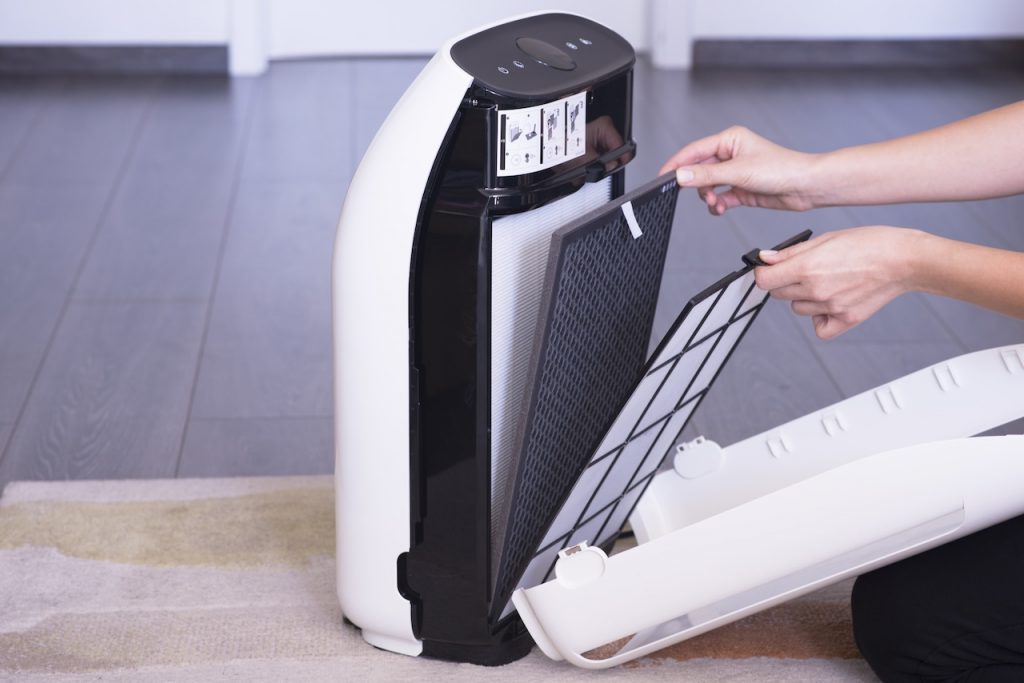
HEPA filters are residentially available for various products, including vacuums and air conditioners.
FAQs About Ultrasonic Cleaning
Is ultrasonic cleaning safe for electronics after a fire?
Yes—when properly assessed and disassembled. The process removes residues without scrubbing, and items are thoroughly dried afterward.
Can ultrasonic cleaning remove smoke odor?
It removes odor-causing residues, but additional deodorization may be used for complete odor control.
How long does ultrasonic cleaning take?
Cleaning cycles are typically short, but total time depends on item complexity, contamination level, and drying requirements.
Is ultrasonic cleaning better than hand cleaning?
For intricate or delicate items, yes. It reaches areas hand cleaning cannot without damage.
Will insurance cover ultrasonic cleaning?
Often yes, when it’s part of approved fire damage restoration. Documentation is key.
Call PuroClean for Fire Damage Contents Restoration
If your belongings were affected by fire or smoke, ultrasonic cleaning for fire damage may help restore them safely and effectively. PuroClean’s experienced restoration professionals can evaluate your items and apply the right techniques to protect what matters most. Contact us today at (703) 334-0410.
Key Takeaways
- Professional assessment ensures best results
- Ultrasonic cleaning uses sound waves, not scrubbing
- Cavitation removes soot from hidden areas
- Ideal for delicate and complex items
- Faster and safer than many manual methods
- Often combined with deodorization and HEPA cleaning


 PuroClean of Springfield