Biohazard cleanup regulations in Brooklyn explained in plain English: OSHA rules, NYS DEC waste permits, NYC guidance and how to vet a company.
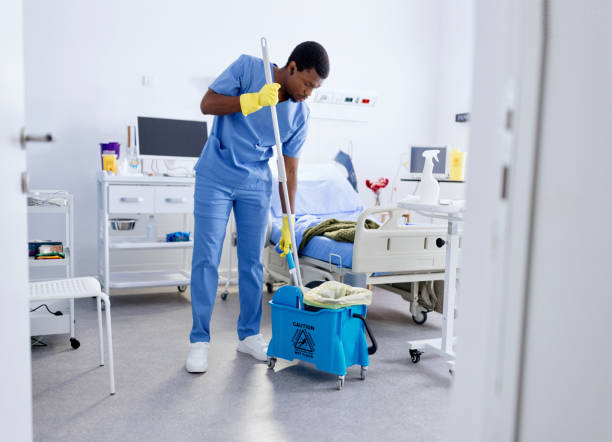
Biohazard Cleanup Regulations in Brooklyn: What Professionals Must Follow
Biohazard cleanup regulations in Brooklyn can feel confusing. Rules come from federal, state and city sources, and no single law covers every step. That makes it hard to know whether a company is doing things the right way.
This guide breaks the rules down into plain English. You will see who sets them, what they require and how to check that a company follows them.
Who Sets Biohazard Cleanup Regulations in Brooklyn?
Three layers of oversight apply to professional biohazard cleanup in Brooklyn:
- Federal: OSHA protects workers who may be exposed to blood and other infectious materials.
- New York State: The Department of Environmental Conservation (DEC) and the Department of Health (DOH) regulate how medical waste is handled, tracked and transported.
- New York City: The NYC Health Department publishes guidance for trauma scene cleanup and expects owners and contractors to follow city, state and federal rules.
OSHA Rules for Biohazard Cleanup Regulations in Brooklyn
The OSHA Bloodborne Pathogens Standard is the main federal rule for this work. In simple terms, employers must:
- Create a written exposure control plan
- Train workers on bloodborne pathogen hazards
- Provide protective equipment at no cost to employees
- Label hazards and use warning signs
- Offer the hepatitis B vaccine to workers at risk
Other OSHA standards can also apply, including rules on protective equipment, respirators and hazard communication. Emergency response rules known as HAZWOPER apply only in certain situations, such as a declared hazardous substance release.

New York State Rules for Biohazard Waste
Cleanup does not end when the scene looks clean. The waste has to leave the property legally. In New York, DEC rules under Part 364 govern the transport of regulated waste, including regulated medical waste. Companies that haul this waste need the proper DEC permit or registration. You can read more on the DEC waste transporter page.
State health rules add another layer. Under DOH regulations, regulated medical waste must go only to a permitted transporter, and a tracking form must travel with each load.
Whether a particular item counts as regulated medical waste depends on the material and the amount. A qualified company makes that call and documents it.
NYC Guidance for Trauma Scene Cleanup
The NYC Health Department’s Guidelines for Trauma Scene Management tell property owners what to ask before hiring. In short, check that the company follows the guidelines, trains its employees on bloodborne pathogens, keeps an exposure control plan and has a clear procedure for handling waste after cleanup.
Industry Standards That Go Beyond the Law
Some of the most important standards are voluntary. The IICRC publishes a recognized standard for trauma and crime scene cleanup, known as ANSI/IICRC S540. Companies that train to it show a higher level of care.
A Quick Checklist for Brooklyn Property Owners
Before you hire, ask these questions:
- Are your workers trained under the OSHA bloodborne pathogens standard?
- Do you have a written exposure control plan?
- Who hauls the waste, and do they hold the right DEC permit?
- Will you give me documentation of how waste was handled?
- Do you hold IICRC certification?
- Are you insured?
Who Is Responsible for Compliance?
The NYC guidance makes clear that both property owners and contractors must follow the rules. That is why choosing the right company matters. A careless hire can leave you with health risks and legal trouble.
How PuroClean of St. Albans Approaches Compliance to Biohazard cleanup regulations in Brooklyn
PuroClean of St. Albans is IICRC certified, EPA Lead Safe certified and available around the clock. The team can walk you through its process and the paperwork involved when you call.
Explore our biohazard cleanup services or contact us to ask questions before you commit.
This article offers general information and is not legal advice.
Frequently Asked Questions
Is there a special biohazard cleanup license in Brooklyn?
New York does not issue one license that covers all biohazard cleanup companies. Instead, companies must meet worker safety, waste handling and business requirements.
Do biohazard cleaners need OSHA training?
Yes. Employers must train workers who may be exposed to blood or other infectious materials.
What happens to biohazard waste after cleanup?
It must be packaged and moved by a properly permitted hauler, with tracking where required.