Mold removal in Huntington NY for older and waterfront homes: hidden mold, safe steps and lead safe work. Call PuroClean at (718) 301 8055.

Mold Removal in Huntington NY: Older Homes, Waterfront Moisture and Hidden Mold
You love the old house. The creaky stairs, the wide trim, the way light falls through the front windows near the village. Then one afternoon you climb into the attic for a box of holiday decorations and the smell hits you. Damp wood, musty insulation, maybe a dark patch near the roof line.
If you own an older or waterfront property, you may be searching for mold removal in Huntington and wondering how serious it is, how to handle it without damaging the home and what you should be careful about.
This guide explains why older and waterfront houses are prone to hidden mold, where to look, what to do safely and what makes mold removal in older buildings different.
Why Older Huntington Homes Develop Hidden Mold
The Town of Huntington includes Huntington Village, Huntington Station, the Huntington Harbor and Halesite waterfront and a long list of neighborhoods with older housing. Older homes tend to have features that modern homes do not.
Crawl spaces and partial basements with dirt or stone walls let moisture seep in. Attics may have limited ventilation or insulation that was added decades after the house was built. Roofs have been patched and repatched, and plumbing may be a mix of old and new lines.
All of that creates small leaks and damp pockets that go unnoticed. Mold needs moisture, food and time, and an old house has plenty of food in the form of wood, plaster and paper. Because the damp spots are often inside walls, under floors or above ceilings, mold removal in these homes usually starts with finding what you cannot see.
Waterfront and Low Lying Properties Add Humidity and Flood Risk
Properties near the harbor and along the North Shore face higher humidity and, in some places, flood risk. Even homes that never see standing water can feel clammy in summer, and that steady moisture can condense on cold surfaces, such as windows, pipes and exterior walls. Heavy storms add another layer. During the record rainfall of August 18 and 19, 2024, the National Weather Service reported 6 to 10 inches of rain overnight across parts of Suffolk County and named Huntington and Huntington Station among the communities facing flash flooding. Governor Hochul declared a disaster emergency for Suffolk County on August 23, 2024.
If your home took on water that night, or in any storm since, there may still be damp insulation, wet plaster or damp wood hiding behind finished surfaces. Mold can begin growing within 24 to 48 hours after materials get wet, according to the EPA, and it can keep growing for as long as moisture remains.
Where Hidden Mold Likes to Grow in an Older House
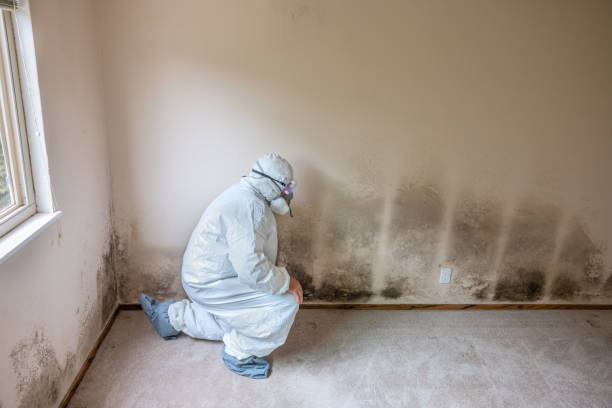
Start with the attic. Look at the underside of the roof boards for dark patches, check insulation for dampness and notice any musty smell when you open the hatch. Bathroom fans that vent into the attic instead of outdoors are a common cause. Next, check crawl spaces and basements, especially along walls and around the foundation. Look for white powdery deposits, damp soil, wet insulation and dark spots on joists.
Then move to the living space. Mold hides behind wallpaper, inside plaster and lath walls, under carpet, behind radiators and around old windows. Closets on exterior walls and rooms above garages or porches can also stay cold and damp. Our guides on mold in the attic and mold in a crawl space explain these spots in more detail.
Signs You May Have Hidden Mold
You may notice a musty smell that comes and goes, stains on ceilings or walls and paint that bubbles or peels. Wood floors may cup or feel soft. Windows may fog or drip in winter, and allergy like symptoms may flare indoors. None of these prove mold on their own, but together they point to moisture that deserves a closer look. A moisture check with meters and thermal cameras can show what your eyes cannot.

Mold Removal in Huntington Older Homes: What Makes It Different
The biggest difference is what is in the walls and paint. The EPA notes that homes built before 1978 may contain lead based paint, and older building materials can also contain other hazards that should be checked before they are disturbed. Cutting, sanding or scraping painted surfaces can release dust, so work in these homes needs extra care. You can learn more on the EPA lead page.
That is why EPA Lead Safe certification matters. PuroClean of St. Albans holds that certification, so our crews follow lead safe work practices when they work in older homes. Careful containment, HEPA vacuums and proper cleanup protect your family, and your neighbors.
Older homes also have materials that are harder to replace, such as plaster, wide baseboards and old trim. A thoughtful team removes only what has to go, protects original details when possible and explains your options before cutting anything. If a section of plaster is lightly affected and dry, it may be cleaned and kept. If it is soaked or crumbling, it may need to be removed.
The Mold Removal Process, Step by Step
Professional mold removal follows a clear order. First, an inspection finds visible mold and hidden moisture, and it identifies the source of water. Next, the team seals the work area with plastic barriers and uses negative air pressure so spores do not travel into clean rooms. HEPA air scrubbers run during the work.
Then mold and damaged materials are removed, and remaining surfaces are cleaned with HEPA vacuums and approved products. Dehumidifiers and air movers dry the structure, and the water source, such as a roof leak, a pipe or poor ventilation, is repaired. Finally, the area is checked before repairs begin. Read more in our mold removal process guide.
New York Mold Law and Choosing a Company in Huntington
In New York, mold projects over 10 square feet generally require licensed professionals. A licensed assessor writes the plan, a separate licensed remediation contractor does the work and the assessor checks the result. The New York State Department of Labor guide explains the rules.
When you compare companies, ask for license numbers and proof of insurance. Ask how they will protect the rest of your home and whether they follow lead safe practices if your house is old. Ask for a written scope and a drying plan. Be careful with anyone who promises that mold will never return without talking about moisture, or who pressures you to sign the same day.
What You Can Do Now
If you suspect mold, start by looking for the water. Fix leaks, redirect downspouts and make sure bathroom and kitchen fans vent outdoors. Keep indoor humidity between 30 and 50 percent, as the EPA suggests, and use a dehumidifier in damp rooms.
Avoid disturbing large patches of mold, and avoid painting over it, which hides the problem without solving it. For small areas on hard surfaces, under about 10 square feet, the EPA says many homeowners can clean the mold with detergent and water while wearing an N95 respirator, gloves and goggles. See the EPA mold page for more.
For anything bigger, hidden or tied to a flood or sewage, call a professional.
Frequently Asked Questions About Mold Removal in Huntington
Can mold be removed from old plaster walls? Often yes, if the mold is shallow and the plaster is sound. Soaked or crumbling plaster may need to be removed.
Is it safe to remove mold in a house with lead paint? It can be, with lead safe practices. Hire a contractor that follows them, and avoid sanding or scraping yourself.
Why does my waterfront home smell musty? Humidity, poor ventilation and hidden moisture are common causes. A moisture inspection can find the source.
How long does mold removal take? Most residential projects take about one to three days. Larger jobs and heavy water damage take longer.
How much does mold removal cost in Huntington? It depends on the size, depth and location of the mold and the repairs needed. A written estimate after an inspection is the only reliable way to know.
Meet PuroClean of Jericho, Our Long Island Neighbor
If you want another Long Island team nearby, you should know about our sister location, PuroClean of Jericho. The Jericho team provides mold removal and mold remediation for homes and businesses on Long Island and follows IICRC standards. Learn more on the PuroClean of Jericho mold removal page or call (516) 421 6400.
Need Mold Removal in Huntington? Call PuroClean of St. Albans
If you suspect hidden mold in an older or waterfront home, we are glad to take a careful look.
PuroClean of St. Albans responds around the clock, with an average on site time of 60 minutes, and our crews are IICRC certified and EPA Lead Safe certified.
Call (718) 301 8055 or request your on site estimate online today.