


Fire damage restoration in Queens, available 24/7. Learn what happens after a fire, real cost ranges, and how to get help fast.
Fire Damage Restoration in Queens
The fire department has left. The smell of smoke is everywhere, and you are standing in what used to be a normal room, wondering where to even begin.
If you are searching for fire damage restoration in Queens, this guide is meant to answer the questions you probably have right now: what happens next, what it costs, and how fast you can get real help.
Queens is home to one of the widest ranges of housing types in New York City, from attached row houses in Ridgewood to single family homes in Bayside and apartment buildings throughout the borough.
Fire damage restoration looks a little different depending on the property, but the first steps are the same everywhere.
Fire Damage Is Bigger Than the Fire Itself
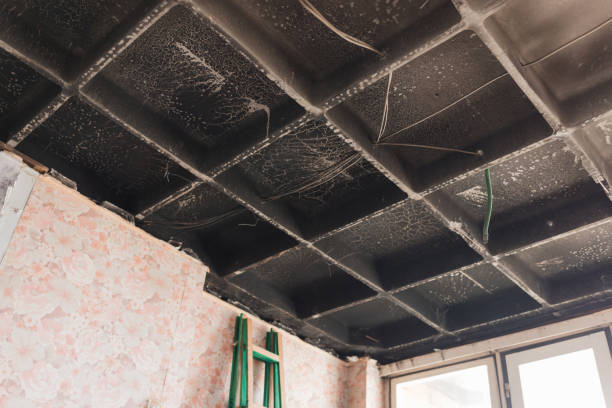
A fire rarely stays contained to the room where it started. Smoke travels through hallways, HVAC systems, and small gaps around doors, leaving soot and odor in rooms that never saw a flame.
Water used to put the fire out adds another layer of damage on top of that.
Fire damage restoration addresses all three problems together: the burn itself, the smoke and soot that spread beyond it, and the water left behind.
Why Fires Happen So Often in Queens Homes
Kitchen Fires
Kitchen fires remain one of the most common causes of residential fire damage across Queens, often starting with unattended cooking or a grease fire that spreads faster than expected.
Older Electrical Systems
Many Queens homes, particularly in established neighborhoods, still have original or partially updated electrical wiring that was not built for today’s level of appliance and device use, raising the risk of electrical fires.
Attached and Semi Attached Housing
In neighborhoods with attached or semi attached homes, a fire in one property can spread to a neighboring home faster than in a fully detached house, which is one reason quick response matters so much here.
Heating Equipment
Space heaters and older heating systems are a common cause of winter fires throughout the borough, especially in homes without central heating in every room.
What Happens During Professional Fire Damage Restoration in Queens
- Assessment. Technicians inspect the full property, not just the room where the fire occurred, to identify smoke and water damage that may not be obvious at first glance.
- Board up and securing the property. Broken windows, damaged doors, and exposed areas are secured to protect the property from weather and further damage while work begins.
- Water removal. If firefighting efforts left standing water, it is extracted before drying begins, using the same equipment and process used in standard water damage cleanup.
- Smoke and soot cleaning. Walls, ceilings, and surfaces throughout the affected area are cleaned using specialized techniques suited to the type of soot involved.
- Odor removal. Smoke odor settles deep into porous materials like drywall, insulation, and fabric, and typically requires equipment such as thermal foggers or air scrubbers to fully remove, not just surface cleaning.
- Restoration and repair. Damaged drywall, flooring, and structural elements are repaired or replaced to bring the property back to a safe, livable condition.
How much is Fire Damage Restoration in Queens
According to Forbes Home data, the national average cost of fire damage repair for a house runs around $12,900. A minor fire affecting only part of a home can cost as little as $1,200 to address, while extensive whole home repairs involving kitchen restoration or roof replacement can reach $72,300.
The final number depends heavily on how much of the property was affected by fire, smoke, and water, so a full assessment is the only way to get an accurate figure for your situation.
Does Insurance Cover Fire Damage Restoration in Queens?
Most homeowners and renters insurance policies cover fire damage, including smoke and soot cleanup and the water damage caused by firefighting efforts, since fire is considered a standard covered peril in nearly every policy.
Coverage details still vary, so it is worth reviewing your specific policy and working with a restoration company experienced in documenting fire damage claims, since thorough documentation tends to make the process move faster and more smoothly.
Preventing Future Fire Damage
Keep a working fire extinguisher in the kitchen and know how to use it. Have older electrical systems inspected, especially in homes built several decades ago.
Never leave cooking unattended, even for a short period. Keep space heaters at least three feet from anything flammable and turn them off when leaving a room.
Test smoke detectors monthly and replace batteries at least once a year.
Choosing a Localised Fire Damage Restoration in Queens
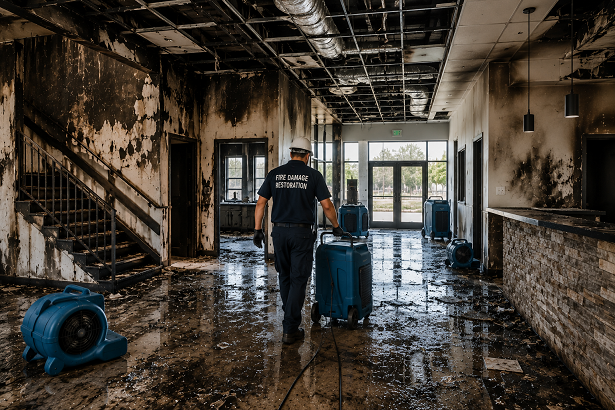
Look for a provider with 24/7 availability, IICRC certification, and real experience separating smoke damage from the fire itself, since a company that only addresses the visible burn area often misses odor and soot that has spread throughout the property.
Direct experience working with insurance adjusters also matters, since fire claims tend to be more complex than a typical water damage claim.
PuroClean of St. Albans provides 24/7 fire damage restoration throughout Queens, with certified technicians and a team that understands how quickly a family needs to get back to normal after something like this.
Frequently Asked Questions
How soon should fire damage restoration begin after a fire?
As soon as the fire department releases the property. Smoke odor and soot residue become harder to remove the longer they sit, and any water left behind raises the risk of mold within a day or two.
Is smoke damage covered by insurance even in rooms that did not burn?
Generally yes, since smoke and soot damage caused by the fire is typically included under the same coverage as the direct fire damage itself.
Can I stay in my home during fire damage restoration?
It depends on the extent of the damage. Minor, contained fires may allow you to remain in unaffected parts of the home, while larger fires often require temporary relocation until the property is safe and livable again.
A Fast Next Step
If your Queens home or business has fire damage, help is available now. Call PuroClean of St. Albans at (718) 301-8055 for 24/7 fire damage restoration, or request an on site estimate through the contact page today.