


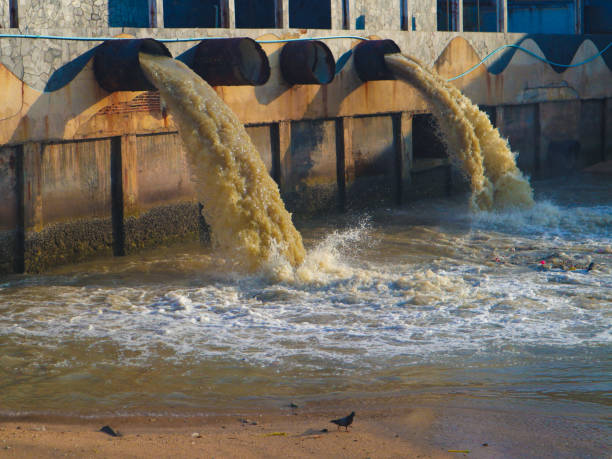
Dealing with a sewage backup in Nassau County? Learn the health risks, what not to do, and the right cleanup steps to protect your home and family.
Sewage Backup in Nassau County: What Every Homeowner Should Know
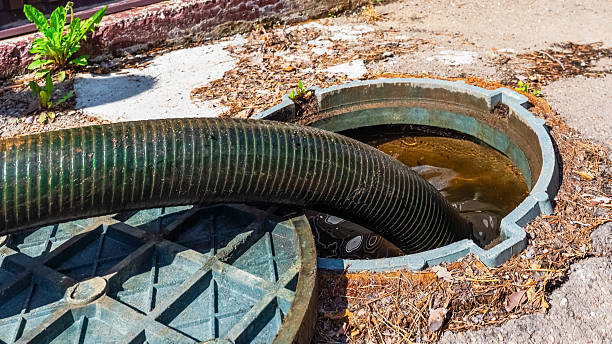
A sewage backup is one of those problems that homeowners in Nassau County tend not to think about until it happens and then it’s all they can think about.
Between aging municipal sewer lines in older sections of the county, heavy rainfall that overwhelms storm drains, and tree roots working their way into lateral pipes, backups are more common here than most people realize.
When it happens, how you respond in the first hour matters just as much as the Sewage Backup in Nassau County itself.
Why Sewage Backup in Nassau County Isn’t Like Other Water Damage
Restoration professionals classify water damage into three categories, and sewage backup in nassau county almost always falls into the most serious one: Category 3, or “black water.”
This category includes water contaminated with bacteria, viruses, parasites, and other pathogens that can cause real illness.
It’s fundamentally different from a clean supply-line leak, and it needs to be treated that way from the first minute.
This is the point where a lot of well-meaning homeowners make the situation worse.
Grabbing a mop and a bucket of bleach water feels like the responsible thing to do, but without the right protective equipment and containment, it just spreads contaminated water across a wider area and increases exposure for everyone in the house.
What to Do in the First Hour of Sewage Backup in Nassau County
- Keep everyone — especially kids, pets, and anyone with a compromised immune system — out of the affected area entirely.
- Shut off the water supply if the backup is actively continuing and avoid running any water (including flushing toilets) until the source is identified.
- Skip electrical outlets or appliances in the affected area if there’s any standing water nearby.
- Don’t attempt to clean it yourself with household products — call a professional restoration company that’s equipped to handle Category 3 water.
- Take photos before anyone touches anything, for insurance purposes.
What Professional Sewage Backup in Nassau County Actually Involves
A proper sewage cleanup goes well beyond removing visible water.
It starts with extraction using equipment rated for contaminated water, followed by removal of any porous materials that absorbed sewage: carpet, padding, drywall, and sometimes subflooring, since these materials can’t be fully disinfected once contaminated.
The remaining structure is then cleaned with hospital-grade antimicrobial treatments, dried with commercial dehumidifiers, and tested to confirm moisture levels are back to normal before anything gets rebuilt.
Air quality matters too. Sewage backup in nassau county often carry odor and airborne contaminants well past the immediate area, so air scrubbers and proper ventilation are part of a thorough job, not an optional extra.

Preventing the Next Sewage Backup in Nassau County
Nassau County’s mix of older infrastructure and heavy seasonal storms means backups can recur if the underlying cause isn’t addressed.
A backwater valve installed on your main sewer line is one of the most effective ways to stop municipal sewer backups from pushing into your home during heavy rain.
If tree roots are a recurring issue, periodic professional line inspection can catch it before it becomes a full backup.
Insurance and Documentation for Sewage Backup in Nassau County
Sewage backup in Nassau County coverage isn’t automatic on every homeowner policy
Some require a specific rider. It’s worth checking your policy now, before you need it.
When a backup does happen, working with a restoration company that documents the damage thoroughly (photos, moisture readings, a written scope of work) makes the claims process significantly less stressful.
If you’re dealing with a sewage backup in Nassau County, don’t wait or try to handle it alone.
PuroClean St. Albans responds quickly with the equipment and training to clean, disinfect, and restore your home safely.
Call us right away: the sooner it’s handled, the smaller the risk to your health and your home.