Sewage cleanup Queens NY starts with safety. Learn what to do first, what insurance may cover and who to call. PuroClean: 718.301.8055.
TLDR
- Sewage carries germs, so keep people and pets out and avoid touching it.
- In Queens you report a city sewer backup to 311, and DEP says it inspects within six hours of the complaint.
- If the problem sits in your private line, DEP can issue a Notice to Repair and a plumber handles the pipe.
- CDC guidance says carpet, padding, rugs and contaminated drywall usually can’t be saved.
- Many standard homeowners policies exclude sewer backup unless you added coverage, so call your insurer early.
- Professional crews remove, sanitize and dry the space, but we don’t repair sewer lines.
Sewage Cleanup Queens NY: What to Do When the City Sewer Backs Up
You walk downstairs to start a load of laundry and hear a gurgle from the floor drain. A second later, brown water creeps across the basement floor and the smell fills the stairwell. If that’s happening right now, take a breath, because sewage cleanup Queens NY families need follows a clear order, and you can start on it in the next few minutes.
We’re PuroClean of St. Albans, and we respond to sewage emergencies across Queens. This guide covers what to do first, how to tell whose pipe failed, what professional cleanup involves and what insurance may or may not pay for.
Why sewage cleanup Queens is different from regular water damage?
Sewage isn’t just water. It can carry germs, so it needs protective gear, careful removal and sanitizing that a mop and bucket can’t deliver.
New York City’s Department of Environmental Protection (DEP) warns that floodwater and sewer backups may contain sewage, and direct contact may infect your eyes, skin, stomach or intestines. The CDC gives practical advice for sewage cleanup after a disaster too: wear rubber boots, goggles and gloves, and cover any cuts with a waterproof bandage.
Queens neighbors know how bad it can get. After Thanksgiving weekend in 2019, a blocked sewer main in Jamaica pushed sewage into more than 100 homes, NBC New York reported, and some residents had to leave their houses for days.
Why do Queens sewer backups happen after heavy rain?
When rain overloads the sewer, wastewater can’t flow away and may reverse direction. DEP’s own report on sewer backups explains that water can then come up through basement plumbing fixtures.
It doesn’t take a hurricane. On the evening of May 20, 2026, torrential rain hit all five boroughs, and the Star Revue, citing FloodNet NYC, reported that Brooklyn and Queens were the worst hit, with almost four feet of flooding in Hollis. If you live in southern Queens, a basement drain is the first place that pressure shows up.
What should you do first when you need sewage cleanup in Queens?
Get everyone out of the affected area, keep children and pets away and stop using water in the house. Then call for help.
First, move people and pets to a clean part of the home, and don’t walk through the water in bare feet.
Next, stop running sinks, showers, dishwashers and washing machines, because every gallon you send down the drain may end up on your floor.
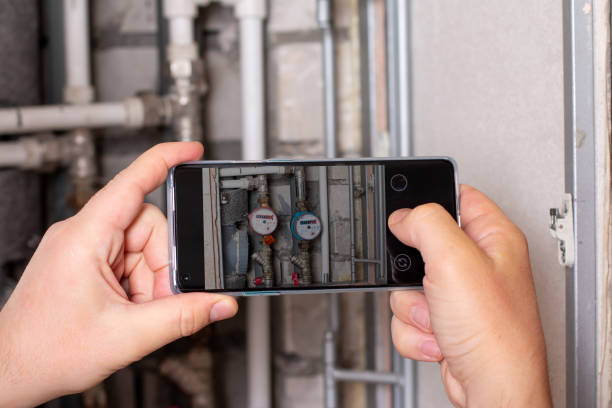
Then, take photos and short videos of the water line, the damaged items and the drain that backed up before anything is moved, since your insurer will want them.
Finally, call 311 if you suspect the city sewer and call a restoration team if you need the sewage removed and the space sanitized.
If water has reached outlets, appliances or your electrical panel, stay out and call a licensed electrician or your utility first. No cleanup is worth wading through water with live power nearby.
What shouldn’t you do in the first hour?
Don’t keep using the plumbing, don’t mix cleaning products and don’t let children help. Bleach combined with other cleaners can create fumes that hurt your lungs, and kids shouldn’t be anywhere near contaminated surfaces.
Is it the city’s sewer or your own line?
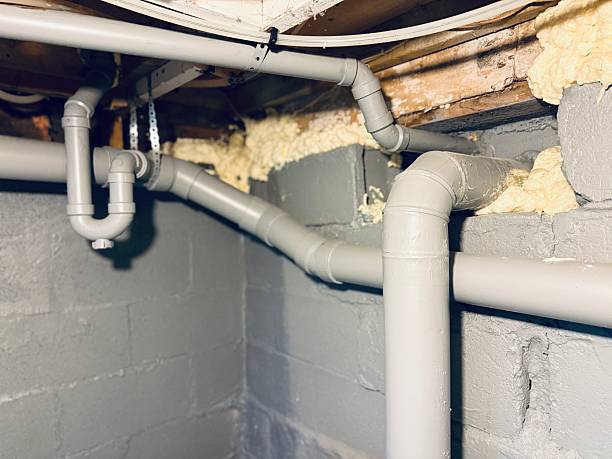
Only an inspection can say for sure, but the pattern gives clues. If several drains back up at once or neighbors have the same problem, the public sewer may be involved. If it’s a single toilet or one drain, the blockage may be in your own line.
Here’s how the process works. You call 311 to report the backup, and DEP says it will inspect within six hours of receiving the complaint, though heavy rain or snowmelt can cause delays. If DEP confirms a problem in the city system, it starts repairs. If the problem is in your private service line, you’ll receive a Notice to Repair and you’ll need a plumber for that pipe.
DEP also says that if you believe the city was at fault for your damage, you should contact the New York City Comptroller’s Office within 90 days to file a claim. Mark that date on your calendar the day the backup happens. A claim isn’t a promise of payment, but the clock matters.
How does professional sewage cleanup Queens NY work?
Crews remove the sewage, discard what can’t be saved, sanitize what can and dry the structure so mold has less to feed on. It’s a health focused process, not a cosmetic one.
First, a technician walks the space, finds how far the water traveled and sets up containment where needed. We use thermal imaging and moisture meters to find moisture inside surfaces and structures. Next, the crew extracts standing sewage and removes materials that can’t be cleaned. Then comes cleaning and treatment with EPA registered disinfectants, followed by drying with dehumidifiers and air movers. Finally, we recheck moisture before anyone talks about rebuilding. You can read more on our sewage cleanup and sanitization page.
What sewage cleanup Queens NY crews usually remove
Carpet, padding, rugs, mattresses and upholstered furniture that soaked up sewage typically go in the trash. CDC cleanup guidance says items that can’t be washed and disinfected should be discarded, and it names drywall and insulation contaminated by sewage as well. Hard surfaces like concrete, tile and sealed wood can often be cleaned and disinfected instead.
What can you safely do yourself?
If a small amount came from one toilet and stayed on a tile or concrete floor, you can often handle it with boots, gloves, goggles, detergent and a disinfectant, then wash your hands well. When the water soaked carpet, reached a wall or covers more than a small patch, that’s the moment to call a professional.
What don’t we do?
We don’t repair or replace sewer lines or clear clogged drains. That’s plumbing work, so call a licensed plumber for the pipe and call us for what the backup left behind.
Does insurance pay for sewage cleanup in Queens?
Often not, unless your policy includes sewer backup coverage. RISMedia explains that a standard homeowners policy usually won’t pay for repairs after sewage backs up, although you may be able to buy an endorsement for it.
Look for phrases like water backup or sewer backup on your declarations page, and call your insurer before you throw anything out. Cost depends on how large the area is, how long the sewage sat, which materials were affected, whether the structure needs drying and whether rebuilding follows. We don’t quote prices in an article because every loss is different, and an on site look is the honest way to price it. We can help you document the loss for your claim.
Frequently asked questions about sewage cleanup Queens NY residents ask us
How soon should sewage cleanup Queens NY work begin?
As soon as it’s safe. The longer sewage sits on porous materials like carpet and drywall, the more of your home it can reach, and lingering moisture raises the chance of mold.
Can I stay home during sewage cleanup in Queens?
It depends on the size of the loss, and a crew can tell you after seeing the space. CDC guidance says to keep children and pets out of the affected area until cleanup is finished, and it’s wise to keep anyone with health concerns away too.
Will the city pay for my damage?
Not automatically. DEP says to contact the Comptroller’s Office within 90 days if you believe the city caused the backup, and that office decides on the claim.
Can I save my carpet after a sewage backup?
Usually not. CDC cleanup guidance lists carpet and carpet padding among items to discard when they’ve been soaked by floodwater or sewage.
Can PuroClean work with my insurance company?
We can help you document the loss and talk with your adjuster, but coverage decisions belong to your insurer.
Need sewage cleanup in Queens right now?
Call PuroClean of St. Albans at 718.301.8055 any hour of the day or night, or send us a note through our contact page. We’ll listen, explain your next steps and get a crew moving.