 PuroClean Emergency Property Recovery
Table of Contents
Best Mold Damage Repair for Homeowners in 2026
When mold appears in a home, it is rarely just a surface issue. What looks like a small stain on drywall or a dark patch near a bathroom ceiling can signal a deeper moisture problem hiding behind walls, under flooring, inside insulation, or around HVAC systems. That is why homeowners searching for the best mold damage repair are not just looking for cleaning advice. They want answers, peace of mind, and a real solution that protects their property and indoor air.
In 2026, mold damage is one of the most searched home restoration issues in the United States. Heavy rains, burst pipes, roof leaks, humidity, poor ventilation, and slow plumbing drips all create the ideal environment for mold growth. Once mold begins to spread, it can damage building materials, create persistent odors, and make a home feel unsafe.
This guide is designed to be more helpful, more complete, and more practical than the average mold blog. It is written for homeowners who want clear answers, whether they are dealing with a bathroom ceiling spot, attic moisture, a damp basement, or major water intrusion after a leak or storm.
If you are trying to find the best mold damage repair approach for your home, start here.
Why Mold Damage Happens Faster Than Most Homeowners Realize
Mold is not random. It follows moisture hence there is a need for the best mold damage repair team.
That means mold growth is usually a symptom of another issue, such as:
- A hidden plumbing leak
- Roof damage after storms
- Poor bathroom ventilation
- Flooding or standing water
- Condensation around windows
- HVAC moisture buildup
- Wet drywall or insulation after water damage
- Crawl space or basement humidity
Many homeowners make the mistake of treating visible mold as the full problem. They wipe it down, repaint the area, spray a store bought cleaner, and assume it is gone. But mold often returns because the source of moisture was never fixed.
The best mold damage repair process does not start with scrubbing. It starts with identifying why mold had the chance to grow in the first place.
That is also why mold should never be treated as a cosmetic issue alone. Paint can cover stains. It cannot solve damp framing, contaminated insulation, or trapped humidity behind walls.
Best Mold Damage Repair Starts With Finding the Source
If you want lasting results, you need to think like the best mold damage repair professional. The first question is not “How do I clean this?” The first question is “Why is this here?”
Here are the most common root causes professionals uncover during mold inspections:
1. Water Damage That Was Never Fully Dried
Even a small leak under a sink or behind a washing machine can leave enough moisture for mold to grow in drywall, wood, or cabinets.
2. High Indoor Humidity
Bathrooms, laundry rooms, kitchens, and basements are common mold zones because moisture lingers in the air.
3. Hidden Leaks
Slow leaks often go unnoticed for weeks or months. By the time you smell mold, there may already be structural contamination.
4. Storm or Flood Intrusion
Rainwater that gets into walls, ceilings, or flooring can trigger mold growth quickly if drying is delayed.
5. Poor Ventilation
Stale, damp air allows moisture to settle on surfaces and feed mold colonies.
The best mold damage repair service focuses on the moisture problem first and the visible mold second. If that order is reversed, the problem usually comes back.
How to Tell If You Have Mold Damage in Your Home
Mold is not always obvious. In fact, some of the worst cases begin with subtle signs homeowners ignore for too long and it takes the best mold damage repair team to fix.
Common signs of mold damage include:
- Musty or earthy odors
- Peeling paint or bubbling walls
- Water stains on ceilings or drywall
- Soft or warped baseboards
- Black, green, brown, or white spotting
- Recurring allergy like symptoms indoors
- Damp feeling rooms or humid air
- Condensation around windows or vents
Sometimes mold is hidden behind drywall, beneath carpet padding, inside cabinetry, or in attic insulation. That is why visible growth is only one part of the picture.
If you can smell mold but cannot see it, trust the smell.
If mold appears after a leak or flooding event, act quickly.
If the same spot keeps coming back, it is not solved.
These are all signals that you may need the best mold damage repair strategy instead of another temporary patch.
Is DIY Mold Cleanup Enough or Should You Call a Professional?
This is where many homeowners lose time and money.
Not every mold issue requires a full scale restoration crew. But many cases do require professional containment, removal, drying, and repair.
DIY may be reasonable if:
- The mold is very limited and isolated
- The source of moisture is already fixed
- The affected surface is non porous and easy to clean
- There is no strong odor or hidden spread
- No one in the home has respiratory sensitivity
Professional help is usually the better move if:
- Mold keeps returning
- Drywall, insulation, carpet, or wood is affected
- There was a leak, flood, or sewage related event
- The area is larger than it appears
- The mold is in HVAC systems, crawl spaces, or attics
- There are health concerns in the home
According to the United States Environmental Protection Agency, small mold areas may sometimes be cleaned by homeowners, but larger contamination, major water damage, and hidden moisture issues often require more advanced remediation methods .
The best mold damage repair is not always the cheapest first step. It is the solution that actually prevents the problem from returning.
What a Professional Mold Damage Repair Process Should Include
Not all restoration companies follow the same level of care. Some focus only on cleanup. The best mold damage repair companies focus on cleanup, correction, and recovery.
Here is what homeowners should expect from a quality restoration process:
1. Inspection and Moisture Detection
A professional should identify where moisture entered, how far it spread, and what materials were affected.
2. Containment
Affected areas should be isolated so mold spores do not spread to clean parts of the property.
3. Air Filtration
Professional air scrubbers and HEPA filtration help reduce airborne contamination during remediation.
4. Removal of Damaged Materials
Drywall, insulation, flooring, or porous materials that cannot be safely restored may need removal.
5. Cleaning and Surface Treatment
Non porous or salvageable structural materials are cleaned using proper restoration methods.
6. Drying and Dehumidification
This is one of the most important stages. Moisture must be reduced to safe levels before rebuilding begins.
7. Repair and Reconstruction
Once the mold issue is resolved, damaged walls, ceilings, trim, flooring, or cabinetry can be restored.
This full cycle is what separates a quick cleanup from the best mold damage repair experience.
The Biggest Mistakes Homeowners Make With Mold
If you want to avoid repeat damage, get the best mold damage repair team and avoid these common mistakes:
Painting Over Mold
This hides staining but does nothing to solve contamination or moisture.
Using Bleach on Everything
Bleach is often overused and misunderstood. It may not fully solve mold issues on porous materials.
Ignoring the Smell
A musty odor is often one of the earliest signs of hidden mold growth.
Skipping Drying
Even after visible cleanup, trapped moisture can restart mold growth fast.
Waiting Too Long
Mold rarely gets better with time. It usually spreads.
Only Treating the Surface
Mold on drywall may be the visible clue to a larger hidden problem behind it.
The best mold damage repair approach is proactive, not reactive. The earlier the intervention, the lower the long term cost and disruption.
Best Rooms to Check First for Hidden Mold Damage
Homeowners often focus on the bathroom, but mold can develop in many overlooked places hence there is a need for the best mold damage repair specialist.
Bathroom
Look around tubs, shower caulking, exhaust fans, and vanity plumbing.
Kitchen
Check under sinks, behind dishwashers, around refrigerator water lines, and near exterior walls.
Basement
Inspect foundation walls, corners, stored boxes, and any area with poor airflow.
Attic
Roof leaks, poor ventilation, and trapped heat can create ideal mold conditions.
Laundry Room
Washing machine hoses, drain lines, and dryer ventilation can all contribute to moisture buildup.
HVAC and Utility Areas
Condensation and poor drainage can lead to hidden mold around equipment.
Homeowners who want the best mold damage repair results should think beyond visible walls and inspect moisture prone systems throughout the home.
How to Prevent Mold From Coming Back After Repairs
Removing mold is only half the battle. Prevention is what protects your investment.
Here is how to reduce the risk of future mold damage:
- Fix leaks immediately
- Use bathroom exhaust fans during and after showers
- Keep indoor humidity ideally below 50 percent
- Use dehumidifiers in damp areas
- Dry wet materials quickly after spills or leaks
- Improve attic and crawl space ventilation
- Clean gutters and direct water away from the home
- Schedule routine plumbing and roof checks
- Avoid storing damp materials in enclosed spaces
The best mold damage repair companies do not just remove contamination. They help homeowners understand how to stop mold from returning.
That education matters because mold problems often begin with maintenance issues that seem minor at first.
Voice Search Questions Homeowners Are Asking in 2026
To help in AI search and voice search, here are direct answers to common homeowner questions:
What is the best way to repair mold damage?
The best way is to fix the moisture source first, contain the affected area, remove damaged materials if needed, clean properly, dry the structure, and restore the damaged surfaces. This is what the best mold damage repair team would do.
Can mold come back after remediation?
Yes, mold can return if the source of moisture is not fully corrected or if materials remain damp.
Should I replace drywall with mold on it?
In many cases, yes. Drywall is porous, and mold can spread inside it even if the surface looks minor.
How fast does mold spread after water damage?
Mold can begin developing quickly when moisture remains trapped indoors, especially in warm or poorly ventilated spaces.
Is mold damage covered by insurance?
It depends on the cause and your policy language. Sudden water damage may be treated differently from long term neglected leaks. The best mold damage repair would know all this and how to act.
Can I stay in my home during mold repair?
That depends on the size, location, and severity of the contamination. Some projects allow partial occupancy, while others require temporary relocation.
These are exactly the kinds of natural language queries that homeowners are typing and speaking into search engines and AI tools today, which is why clear, direct answers help support topical authority.
How to Choose the Right Mold Restoration Company
If you are comparing service providers, ask these questions before hiring:
- Do you inspect for moisture, not just visible mold?
- Will you explain the source of the problem?
- Do you offer containment and structural drying?
- Can you handle both remediation and repairs?
- Will you document the damage clearly?
- Do you provide a recovery plan instead of just a cleanup estimate?
The best mold damage repair provider is not the one with the loudest ad. It is the one that understands restoration as a complete process, from moisture control to rebuild.
You want a team that treats your home like a structure to protect, not just a stain to remove.
Why Homeowners Need a Restoration Mindset, Not Just a Cleanup Mindset
This is where many online mold articles fall short and this happens with the best mold damage repair team.
They teach cleaning.
They do not teach recovery.
Real mold damage affects more than surfaces. It can interrupt daily life, create stress, delay home projects, complicate insurance conversations, and reduce confidence in your indoor environment.
That is why the best mold damage repair is really about restoring normalcy.
Homeowners do not just want a wall cleaned.
They want to know their home is dry, safe, and moving in the right direction again.
That is what true property recovery looks like.
When It Is Time to Call for Help
If you are reading this while staring at a stained ceiling, a damp basement wall, or a musty room you cannot ignore anymore, do not wait for the damage to spread.
The earlier mold is addressed, the easier it is to contain, repair, and prevent from returning.
For homeowners who want a trusted team that understands not just mold cleanup but full property recovery, PuroClean Emergency Property Recovery offers the kind of strategic response homeowners need when moisture, contamination, and structural concerns collide.
And when the situation calls for more than surface cleaning, PuroClean Emergency Property Recovery can help guide the next step with urgency, professionalism, and a restoration first approach.
Call to Action
If you need help identifying the cause of mold, stopping moisture at the source, and restoring your home the right way, now is the time to act. You need the best mold damage repair team.
Call (718) 301-8055 today to get expert help before mold damage spreads further.
The sooner you respond, the faster you can protect your home, your indoor environment, and your peace of mind.
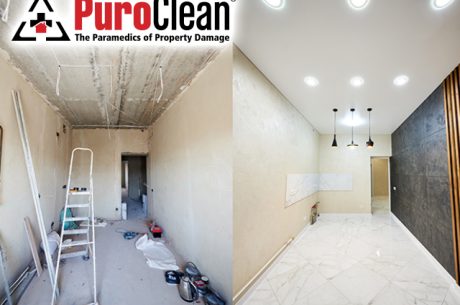
 PuroClean Emergency Property Recovery