Water damage restoration in the Bronx for tenants and landlords: who pays, what to do and your rights. Call PuroClean of St. Albans at (718) 301 8055.
Water Damage Restoration in the Bronx
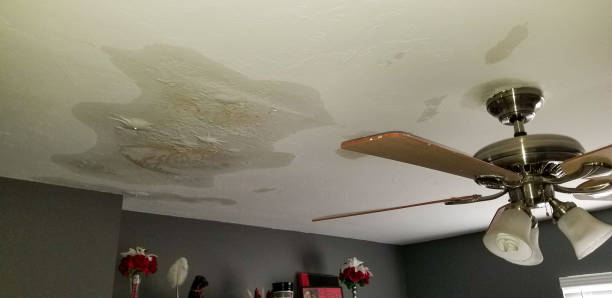
It starts with a drip from the light fixture in your bedroom. By morning, the ceiling has a dark stain, and the neighbor upstairs says it is not their problem. The super says he will “look into it.” Meanwhile, your mattress is damp and your rugs are soaked. If you rent in the Bronx, this scene is more common than anyone wants to admit, and it raises one big question: who pays?
This guide covers water damage restoration in the Bronx from both sides of the lease. You will learn why older buildings leak, who is usually responsible, what tenants and owners should do, whether you can stay in the apartment and what the rules say. It is general information, not legal advice.
Why Bronx Buildings Are Prone to Water Damage
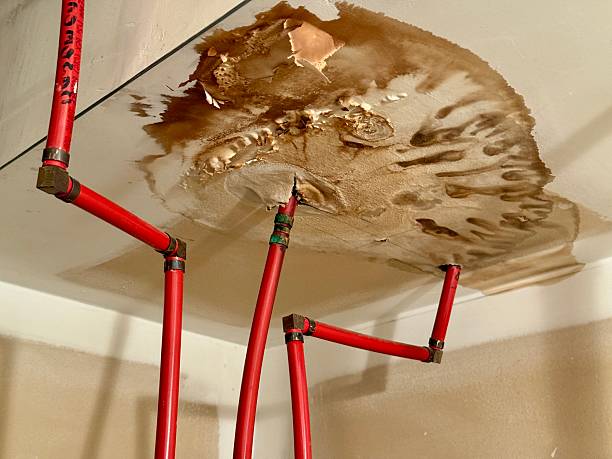
The Bronx has many prewar and mid century apartment buildings with shared walls, risers and roofs. Aging pipes can corrode and crack, and steam heating systems can leak at valves and radiators. A single failed pipe on an upper floor can send water through several apartments, and the stain you see is rarely where the leak began.
Weather also plays a role. Heavy rain can find weak roof flashing and parapet walls, and basements and ground floor units can take on water from street level or sewer backup. Neighborhoods near the water, such as Hunts Point, Soundview and Throgs Neck, face storm and tide related flooding too. Commercial spaces along busy corridors, including shops, restaurants and offices, are exposed in the same ways.
Who Pays for Water Damage Restoration in the Bronx Apartment?
The cause usually decides who pays. If a building pipe, riser, roof or common system fails, the owner is generally responsible for repairing the building and the damaged structure.
If the leak came from a tenant’s own appliance or from something the tenant did, such as an overflowing tub, the tenant or their insurance may be responsible for the damage it caused.
Your belongings are a separate matter. A landlord’s policy covers the building, not your furniture, clothes and electronics. A renters insurance policy may cover your belongings and temporary housing if the loss is covered.
That is one reason a basic renters policy is worth having. When a neighbor’s negligence caused the leak, their insurance may become part of the picture, so documentation matters.
Tenant Steps After Water Damage
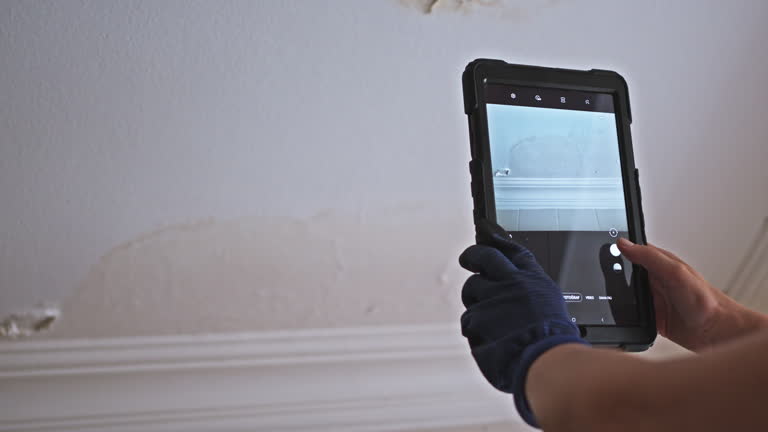
First, make sure everyone is safe and keep away from wet electrical fixtures. Turn off power to the affected room at the breaker if you can do it safely. Next, take photos and videos of the damage, the source and your belongings. Then report the problem to your landlord or building manager in writing, such as by email or text, and keep a copy.
If nothing happens, you can call 311 to report conditions in New York City buildings. The NYC Housing Preservation and Development website explains how tenants can request inspections and what owners must do. Also tell your renters insurance company early.
Landlord Steps After Water Damage
Owners should respond quickly, because delays make the damage and the liability bigger. Find and stop the source first. Then bring in a restoration company to extract water, dry the structure and check neighboring units, since moisture travels.
Keep clear records, notify affected tenants about the schedule and safety steps, and repair the damage once everything is dry.
Our water damage restoration team works with property owners and managers, and we document moisture readings and the scope of work in a way insurers understand.
Can You Live in an Apartment With Water Damage?
It depends on what happened. A small, clean water leak that has been fixed and dried may not stop you from living there.
However, large leaks, sewage, soaked walls or ceilings that sag are different. Wet drywall and insulation can grow mold, and the EPA says mold can start within 24 to 48 hours of getting wet.
The CDC notes that mold can irritate the nose, throat, eyes and skin and may trigger asthma symptoms.
The Bronx has long had high asthma rates, so damp conditions deserve extra attention, especially for children and older adults.
If the ceiling is sagging, the electricity is affected or you see mold growing, talk to your landlord about relocation or repairs and consider staying elsewhere until the apartment is dry and safe. Learn more in the EPA mold guidance and our guide to mold in an apartment in the Bronx.
What the Law Says About Habitability
In New York, tenants are generally protected by the warranty of habitability, which means a rental must be fit to live in.
A serious, ongoing leak that the owner does not fix may be a habitability issue. The right steps depend on your lease and situation, so speak with a tenant rights organization or attorney before you consider withholding rent. Doing that without advice can create risks for you.
Commercial Water Damage Restoration in the Bronx
Business owners face a different clock. A burst pipe in a restaurant, a roof leak in a warehouse or a sprinkler discharge in an office can stop operations. We plan work to protect staff and customers, isolate wet areas and limit downtime. See our commercial services to learn more.
Frequently Asked Questions About Water Damage Restoration in the Bronx
Who is responsible for water damage in a Bronx apartment? It depends on the cause. Building systems are usually the owner’s responsibility, while damage caused by a tenant may fall to the tenant.
Does renters insurance cover water damage? It may cover your belongings and temporary housing for covered events. It does not cover the building itself.
How do I report a leak to the city? Tell your landlord in writing first, then call 311 if the problem is not fixed.
How fast does mold grow after a leak? Mold can begin to grow within 24 to 48 hours on wet materials.
Can water damage spread to other apartments? Yes. Water can travel through walls, floors and pipe chases to units above and below.
Meet PuroClean of Jericho, Our Long Island Neighbor
If you also manage or own property on Long Island, you should know about PuroClean of Jericho. The team provides water damage restoration and mold remediation in central Nassau County. Visit the PuroClean of Jericho website or call (516) 421 6400.
Water Damage Restoration in the Bronx: Call PuroClean of St. Albans
Whether you are a tenant, an owner or a business, the first day matters. Call PuroClean of St. Albans at (718) 301 8055 for around the clock response, careful drying and clear documentation. You can also request help online and we will respond quickly.