


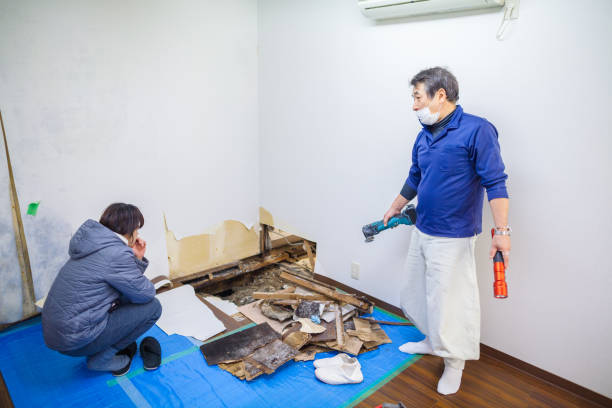
Your 2026 Local Pricing Guide from PuroClean Emergency Property Recovery; Wondering what water damage restoration cost in Brooklyn is in 2026? Get real local prices by damage type, room, and severity. PuroClean Brooklyn breaks down every cost from burst pipes to sewage backups and explains what insurance covers. Call (718) 301-8055 for a free estimate.
The Honest Answer Brooklyn Homeowners Need
If you’ve just walked into a soaked kitchen, a flooded basement, or a ceiling caving in from a burst pipe above you, the question running through your head isn’t complicated: How much is this going to cost me?
Water damage restoration cost in Brooklyn in 2026 ranges from $1,500 for a small, quickly-caught clean-water leak to well over $50,000 for a major sewage event in a finished brownstone basement with mold. That’s a wide range and every homeowner deserves a real breakdown, not a vague estimate designed to get a technician through the door.
This guide gives you actual Brooklyn-specific numbers, organized by the type of water, the class of damage, the room affected, and the unique structural characteristics of Brooklyn’s housing stock. We’ll also walk through what your homeowners insurance is likely to cover — and what it almost certainly won’t.
| Quick Answer: Water damage restoration cost in Brooklyn averages $3,500 to $8,500 for most residential jobs — roughly 9–15% higher than the national average due to NYC labor rates, strict building codes, and the complexity of the borough’s older housing stock. |
Why Brooklyn Properties Are Uniquely Vulnerable to Water Damage
Water damage restoration cost in Brooklyn is shaped by factors that don’t apply the same way in other markets. Understanding these factors helps you understand why your bill looks the way it does — and why the same scope of work in Brooklyn costs more than in other parts of the country.
1. The Brownstone Problem
Brooklyn’s iconic brownstones — the majority of which were built between the 1870s and 1920s — present restoration challenges that modern construction simply doesn’t. These historic structures feature horsehair plaster walls, original wood lath, and stone foundations that predate modern waterproofing techniques entirely. When water enters a brownstone, it behaves differently than in a modern framed wall: it spreads laterally through the lath, soaks into the plaster, and can travel to adjacent rooms and floors before any visible sign of damage appears on the surface.
That hidden migration is expensive. A water event that costs $2,500 to address in a modern construction home may run $5,000 to $8,000 in a brownstone simply because the drying process is slower, specialty drying systems are required, and the materials are harder to replace with period-appropriate finishes.
2. Brooklyn’s Aging Sewer Infrastructure
Brooklyn’s density leaves almost no permeable surface for rainwater to absorb into. Streets, sidewalks, and rooftops channel everything into a drainage system that was not designed for the intensity of storms the city now regularly experiences. Neighborhoods like Park Slope, Flatbush, Gowanus, and Bushwick sit on older infrastructure where a significant rain event can overwhelm the combined sewer system within an hour.
Low-lying neighborhoods face the most acute risk. Red Hook and Gowanus residents are especially vulnerable when stormwater overwhelms the city’s old sewer systems, while Crown Heights, Bushwick, and Flatbush basement apartments face repeated flooding events each storm season.
The city is responding: in late 2025, New York City announced a $68 million investment to build Brooklyn’s first Bluebelt system in Prospect Park, using nature-based drainage solutions to reduce flash flooding. But infrastructure upgrades take years, and Brooklyn property owners face these risks today.
3. Aging Cast Iron Plumbing
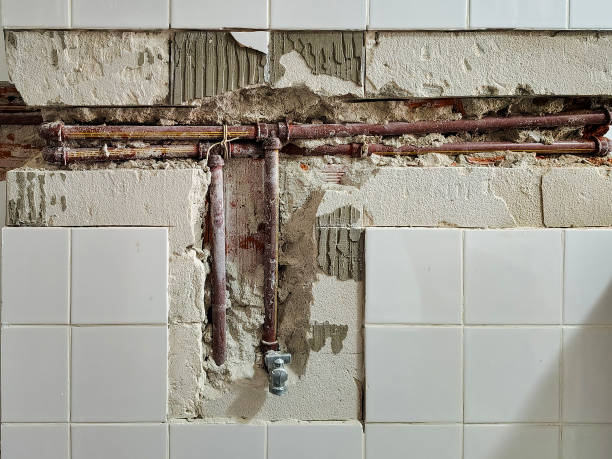
Buildings over 60 years old — which describes the vast majority of Brooklyn’s residential housing stock — commonly have cast iron and galvanized steel supply and drain pipes. These are prone to corrosion, scale buildup, pinhole leaks, and total failure. A cast iron drain line that collapses inside a wall can release water for hours or days before anyone notices, and the remediation scope in those cases is significant.
4. Multi-Family Complexity
A substantial portion of Brooklyn’s housing is multi-family: brownstones converted to two- and three-family homes, rental apartments, and co-ops. When a water event occurs in one unit, it almost always affects the unit below. A bathroom leak on the third floor becomes a second-floor ceiling replacement and a first-floor mold remediation job. Each affected unit may have a different owner, a different insurance carrier, and different expectations — all of which add complexity and cost.
Water Damage Restoration Cost in Brooklyn by Water Type
The single biggest driver of your restoration bill is not the size of the affected area — it’s the category of water involved. Restoration professionals classify water events into three categories, and each one comes with different protocols, labor requirements, and cost implications.
Category 1: Clean Water — $3.00 to $4.50 per Square Foot
Clean water comes from a broken supply line, a leaking refrigerator, an overflowing bathtub, or rain entering through an open window. It poses no immediate health hazard, and in many cases can be dried in place without material removal.
A 250-square-foot room affected by clean water — caught and treated within 24 hours — might cost $750 to $1,125 for extraction and drying alone, before any repairs to flooring or walls.
| Critical Warning: Clean water doesn’t stay clean. After 24 to 48 hours, bacterial growth elevates it to Category 2. After 72 hours, it may be reclassified as Category 3 black water. Every hour you wait adds cost. |
Category 2: Gray Water — $4.50 to $7.00 per Square Foot
Gray water comes from appliances — dishwashers, washing machines, sump pumps — or from toilets that overflow without solid waste. It contains chemical and biological contaminants that can cause illness.
Gray water jobs require EPA-registered disinfectants, additional PPE for technicians, and material removal for any porous materials that cannot be reliably dried and disinfected. Carpet padding, drywall behind baseboards, and insulation are typically removed.
Category 3: Black Water — $7.50 to $15.00+ per Square Foot
Black water — sewage backups, floodwater from outside the building, or water that has stood for more than 72 hours — is treated as a biohazard. It’s the most expensive category and the most common category in Brooklyn basement events, given the borough’s sewer infrastructure challenges.
Everything porous that the black water contacted is removed. Air scrubbers and HEPA filtration run continuously. Final clearance testing confirms the space is safe before reconstruction begins.
| Water Category | Cost Per Square Foot (Brooklyn 2026) |
| Category 1 — Clean Water (supply line, rain, bathtub overflow) | $3.00 – $4.50 |
| Category 2 — Gray Water (appliances, sump pump overflow) | $4.50 – $7.00 |
| Category 3 — Black Water (sewage, floodwater, stagnant water 72h+) | $7.50 – $15.00+ |
Understanding Damage Classes: How Deeply Has the Water Penetrated?
Beyond the water category, restoration professionals assess the class of damage — how thoroughly the moisture has saturated the structure. Class determines how much drying equipment is needed, how long the process takes, and ultimately how much you pay.
| Damage Class | Description & Typical Cost Impact |
| Class 1 — Minimal Absorption | Small area, low-porosity materials (concrete, vinyl tile). Fastest and cheapest to resolve. 1–3 days drying time. |
| Class 2 — Entire Room Affected | Moisture has wicked into walls, carpet, and structural materials. 3–5 days. Most common residential class in Brooklyn. |
| Class 3 — Saturated from Above | Water came from ceiling or overhead. Walls, ceilings, insulation fully saturated. Often 5–7+ days drying. |
| Class 4 — Specialty Drying Required | Hardwood floors, brick, stone, concrete need specialized mat or injection drying systems. Adds $500–$2,000+ to project cost. |
Water Damage Restoration Cost in Brooklyn by Room
Basement Flooding — The Most Common Brooklyn Call
Basement flooding is the most frequent water damage restoration call in Brooklyn, driven by the borough’s aging combined sewer system, the density of impermeable surfaces, and the vulnerability of older foundations to hydrostatic pressure.
| Basement Damage Scenario | Estimated Cost Range (Brooklyn 2026) |
| Minor seepage, no standing water | $500 – $1,800 |
| Standing water under 1 inch — clean water | $1,800 – $4,500 |
| Major flooding, 3+ inches — clean or gray water | $4,500 – $12,000 |
| Sewage backup — unfinished basement | $5,000 – $14,000 |
| Sewage backup — finished basement | $12,000 – $30,000+ |
| Sewage backup + mold — finished basement | $20,000 – $50,000+ |
Finished basements always cost significantly more than unfinished ones. Drywall, flooring, dropped ceilings, cabinetry, and built-in storage must all be removed, assessed, and replaced. In Brooklyn brownstones where the finished basement serves as a rental apartment, displacement of a tenant adds further complexity and cost.
Kitchen Water Damage
Kitchen water events in Brooklyn commonly stem from dishwasher failures, supply line leaks behind refrigerators, or sink drain failures. Because cabinetry sits flush against walls and floors, moisture hides — often for weeks — before damage is visible. That delay is expensive.
| Kitchen Damage Scenario | Estimated Cost Range (Brooklyn 2026) |
| Appliance leak, caught within 48 hours | $900 – $2,800 |
| Under-cabinet moisture with mold present | $2,800 – $7,000 |
| Subfloor damage requiring replacement | $4,500 – $12,000 |
| Full kitchen water damage including cabinetry | $8,000 – $22,000 |
PuroClean manages kitchen restoration and kitchen remodeling as a single scope of work — meaning you don’t need to hire a separate contractor once the drying and remediation is complete.
Bathroom Water Damage
Bathroom leaks are among the most common calls in Brooklyn’s multi-family housing stock. A toilet supply line failure on the second floor of a brownstone doesn’t just damage one bathroom — it soaks through the subfloor and into the ceiling and walls of the unit below, creating two simultaneous restoration jobs.
| Bathroom Damage Scenario | Estimated Cost Range (Brooklyn 2026) |
| Toilet overflow — contained to one bathroom | $700 – $2,200 |
| Shower pan leak with subfloor penetration | $2,200 – $6,000 |
| Leak affecting the unit or room below | $4,000 – $11,000 |
| Full bathroom restoration with tile replacement | $7,000 – $18,000 |
Living Areas and Bedrooms — Roof Leaks and Burst Pipes
| Living Area / Bedroom Scenario | Estimated Cost Range (Brooklyn 2026) |
| Ceiling water staining, no structural collapse | $400 – $1,400 |
| Ceiling collapse from overhead pipe or roof | $1,800 – $5,500 |
| Wall saturation from burst pipe — one room | $2,500 – $7,500 |
| Multi-room damage from a burst supply pipe | $6,000 – $25,000+ |
Attic Water Damage
In Brooklyn brownstones and row houses, attic water damage from ice dams or roof leaks is serious because the damage is usually well underway before the first ceiling stain appears below.
| Attic Damage Scenario | Estimated Cost Range (Brooklyn 2026) |
| Localized roof leak, insulation and decking affected | $1,800 – $4,500 |
| Extensive attic saturation with mold contamination | $4,500 – $14,000+ |
What the Restoration Process Actually Includes — And What Each Phase Costs
Water damage restoration cost in Brooklyn is often misunderstood because homeowners don’t realize how many distinct phases go into a complete restoration. You’re not just paying to dry things out.
Phase 1: Emergency Response and Assessment
A certified IICRC technician arrives — our average response time in Brooklyn is 60 minutes — and uses thermal imaging cameras and calibrated moisture meters to map exactly where the water has traveled, including inside walls, under floors, and above ceilings. Everything is photographed and documented for your insurance claim. Cost: included in project scope.
Phase 2: Water Extraction
Truck-mounted or portable extractors remove all standing water from the structure. For a heavily flooded basement, this phase alone can take several hours. Cost range: $300 – $900 depending on volume and accessibility.
Phase 3: Structural Drying
High-velocity air movers and commercial dehumidifiers are placed throughout the affected area and run continuously, typically for 3 to 5 days, monitored daily with moisture meters. This is the most equipment-intensive phase and the one most homeowners underestimate. Household fans are not a substitute. Cost range: $800 – $3,500+ depending on area size and drying class.
Phase 4: Disinfection and Antimicrobial Treatment
EPA-registered disinfectants are applied to all affected surfaces. For gray and black water events, this is a multi-step process with dwell times between applications. Antimicrobial treatment is applied to prevent mold colonization during the drying period. Cost range: $400 – $2,000 depending on scope.
Phase 5: Controlled Demolition
Wet drywall, insulation, carpet, carpet padding, and other saturated porous materials that cannot be reliably dried or disinfected are removed. For a black water event, this scope is always significant. Cost range: $500 – $5,000+ depending on material volume.
Phase 6: Mold Inspection and Remediation
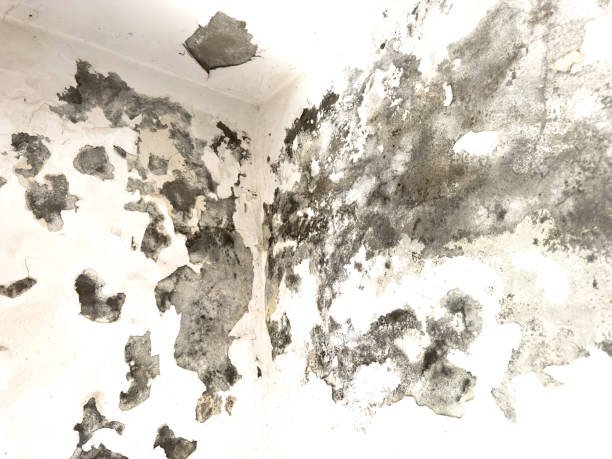
After structural drying is confirmed, a mold inspection is performed. In Brooklyn’s humid climate, mold can begin colonizing within 24 to 48 hours of a water event. Mold behind drywall and under flooring is invisible to the naked eye; it requires moisture meter testing and, when indicated, air quality sampling. Mold removal in Brooklyn ranges from $1,200 to $9,000 or more depending on severity.
Phase 7: Reconstruction
New drywall, flooring, paint, cabinetry, and finishes return your home to its pre-damage condition. PuroClean manages this phase directly — you don’t need a second contractor. Cost range: highly variable; see room-by-room tables above.
Additional Costs to Budget For in Brooklyn
| Add-On Service | Typical Cost Range (Brooklyn 2026) |
| Mold inspection and air quality testing | $300 – $800 |
| Mold remediation — minor to moderate infestation | $1,200 – $9,000 |
| Mold remediation — extensive contamination | $9,000 – $20,000+ |
| Sewage cleanup biohazard surcharge | $600 – $2,500 |
| Contents pack-out and off-site drying/storage | $900 – $3,000 |
| Hardwood floor specialty mat drying system | $600 – $2,200 |
| Temporary housing (loss of use) | Varies; typically covered by insurance |
| Emergency board-up or tarping (roof/window) | $350 – $1,800 |
What Does Homeowners Insurance Cover? A Brooklyn-Specific Guide
Insurance coverage is the most misunderstood part of water damage restoration cost in Brooklyn. Here is a clear breakdown of what standard homeowners policies typically do and do not cover.
What Is Generally Covered
- Burst or cracked pipes — sudden and accidental failures
- Appliance failures (washing machine, dishwasher, water heater)
- Roof leaks caused by a covered storm event
- Accidental overflow from a bathtub, sink, or toilet
- Fire suppression water damage
What Is Generally NOT Covered
- External flooding — groundwater, storm surge, overflowing streets or streams
- Gradual leaks — a slow drip behind a wall that was ignored for months
- Sewer and drain backup — typically excluded unless you carry a specific endorsement
- Sump pump overflow — excluded without a rider
- Maintenance failures — a rusted-out pipe or a roof in obvious disrepair
| Brooklyn-Specific Note: Given the borough’s recurring sewer backup issues — particularly in Crown Heights, Gowanus, Red Hook, Flatbush, and Bushwick — a sewer and drain backup endorsement is strongly recommended. This rider is typically available for $50 to $150 per year and can provide $10,000 or more in coverage for a catastrophic sewage event. |
Flood Insurance: A Separate Policy
External flooding from storms, overflowing streets, or groundwater is never covered by a standard homeowners policy. You must carry a separate flood insurance policy through the National Flood Insurance Program (NFIP) or a private carrier. For Brooklyn neighborhoods in designated flood zones — including parts of Red Hook, Canarsie, Sheepshead Bay, and Coney Island — flood insurance is often required by mortgage lenders.
PuroClean works directly with all major insurance carriers and will assist you with documentation, scope of work, and claim submission from day one.
The First 24 Hours: What to Do to Control Your Water Damage Restoration Cost in Brooklyn
Speed is the most powerful cost-control tool available to you. Here is exactly what to do from the moment you discover water damage.
- Stop the water source immediately.
Shut off the main water valve if it’s a burst pipe. Do not re-enter a space with standing water if you cannot confirm electrical systems are not affected.
- Call a restoration company before a plumber.
A plumber fixes the source. A restoration company addresses the damage. You need both — but drying equipment needs to be placed as quickly as possible.
- Document everything before cleanup begins.
Take photos and video of every affected area, including standing water depths, ceiling damage, and affected belongings. Do not discard anything before it has been photographed and documented for your insurance claim.
- Call your insurance company.
Report the claim immediately. Ask whether emergency drying services can begin before an adjuster visits — most policies allow this, and waiting for an adjuster costs you more in total damage.
- Do not run household fans as your drying strategy.
Fans move air but cannot achieve the low relative humidity needed to pull moisture out of walls, subfloors, and structural materials. They can also spread mold spores through the air. Professional drying equipment runs at calibrated settings and is monitored daily.
Frequently Asked Questions About Water Damage Restoration Cost in Brooklyn
How long does water damage restoration take in Brooklyn?
A minor clean-water event in one room typically resolves in 3 to 5 days. A moderate project — flooded basement, multi-room damage — runs 7 to 14 days. A major restoration involving structural damage, sewage, or mold can take 3 to 8 weeks from first response through full reconstruction.
Can I stay in my Brooklyn brownstone or apartment during restoration?
In many cases, yes — if the damage is confined to one area and there is no black water contamination. For sewage events, major structural damage, or situations where air quality is compromised, temporary relocation is recommended. Loss of use coverage in your homeowners policy typically covers this cost.
How do I know if mold is already growing?
You may notice a musty odor before any visible mold appears. In Brooklyn’s older housing stock, mold often grows behind plaster walls, inside wood lath cavities, and under original hardwood floors — all invisible from the surface. A professional mold inspection with moisture readings and air sampling is the only reliable way to know.
Will my hardwood floors need to be replaced?
Not necessarily. Original hardwood floors — common in Brooklyn brownstones — can often be saved with specialty mat drying systems if the event is addressed quickly. This specialty drying costs more than standard air movers but is almost always less expensive than full floor replacement, and preserves the original character of the home.
What if the water damage affects a unit below mine?
In multi-family buildings, water damage liability depends on the source. If the water originated from your unit (a burst pipe, a toilet overflow), you may be responsible for damage to the unit below. Your homeowners or renter’s insurance may cover this. PuroClean coordinates with all affected parties and their respective carriers to streamline the process.
Does PuroClean handle full reconstruction after restoration in Brooklyn?
Yes. We manage the complete scope from emergency water extraction through mold remediation, flooring installation, drywall, kitchen remodeling, and bathroom renovation. You work with one company through the entire process, which simplifies insurance documentation and eliminates the delays that come with coordinating multiple contractors.

| Get a Free Water Damage Estimate in Brooklyn — Available 24/7 PuroClean Emergency Property Recovery serves all Brooklyn neighborhoods. IICRC-certified technicians. Average 60-minute on-site response. We work directly with your insurance company ☎ Call (718) 301-8055 — Any Time, Day or Night |
Related Resources
- Mold Remediation in Brooklyn, NY — What It Costs and What to Expect
- Sewage Backup Cleanup in Brooklyn — Health Risks and Restoration Process
- Kitchen Remodeling After Water Damage in Brooklyn
- Bathroom Renovation After Water Damage — Brooklyn Brownstone Guide
- How Much Does Water Damage Restoration Cost in Queens, NY? — 2026 Guide