


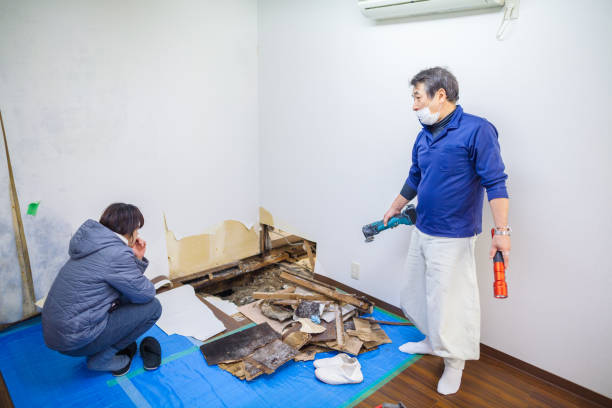
Wondering what water damage restoration costs in Mount Vernon, NY in 2026? Get real local price ranges by damage type, room, and severity plus what your insurance covers. PuroClean Emergency Property Recovery explains it all. Call (718) 301-8055 for a free estimate.
If you’ve ever come home to a soaked basement, a ceiling dripping from a burst pipe, or sewage backing up onto your floor, your first question after calling for help is almost always the same: “How much is this going to cost me?”
It’s a fair question and a complicated one.
Water damage restoration costs in Mount Vernon, NY in 2026 range anywhere from $1,500 to over $50,000, depending on the source of the water, how long it sat before you caught it, how many rooms are affected, and whether mold has already started to form. That’s a wide range, and homeowners deserve a straight answer, not a runaround.
This guide gives you real, local numbers not national averages padded with caveats. We’ll walk through every cost factor, break down what different types of jobs typically run in Mount Vernon and Westchester County, explain what your insurance should cover, and tell you exactly what to do in the first 24 hours to keep your bill from doubling.

Why Homes Are Especially Vulnerable to Water Damage Restoration Cost in Mout Vernon
Before we get into the numbers, it’s worth understanding why water damage is such a recurring and costly problem for Mount Vernon property owners specifically.
Mount Vernon is home to a large number of pre-war buildings, row houses, and multi-family structures, many of which still rely on original cast iron drain and sewer pipes that are decades past their intended lifespan. As these pipes age, they crack, scale, and collapse.
The city’s combined sewer system, which routes both stormwater and sanitary waste through the same lines, becomes overwhelmed during heavy rainfall and pushes water back into basements across the city.
The problem came to a head in 2021 and 2022, when the city’s century-old sewer infrastructure began failing at scale, resulting in raw sewage backing into homes and businesses across Mount Vernon.
The crisis was significant enough to attract state intervention: New York Governor Kathy Hochul announced a $150 million investment to replace the water and sewer infrastructure, and $3 million was specifically allocated through the Governor’s Office of Storm Recovery’s Healthy Homes Program to help homeowners deal with backup valves, pipe replacement, and sewage flood damage repair.
This context matters for you as a property owner because it means water damage in Mount Vernon often involves
Category 3 (black water) contamination — the most expensive and dangerous type to remediate. It’s not just a wet floor situation; it’s a biohazard.
On top of the sewer crisis, Mount Vernon properties face the full range of water damage risks common to older New York housing stock:
- Frozen and burst pipes in winter, particularly in older buildings with inadequate pipe insulation in crawl spaces and exterior walls
- Ice dams on rooftops that force meltwater under shingles and into ceilings and walls
- Heavy rainfall and urban flooding from a drainage system that can’t keep pace with increasingly severe storms
- Leaky roofs and clogged gutters on aging homes that haven’t been maintained
- Appliance failures: dishwashers, water heaters, and washing machines that flood a room before anyone notices
Any of these scenarios can turn into a major remediation and restoration project very quickly, especially in older homes where moisture travels fast through plaster walls, original hardwood floors, and uninsulated crawl spaces.
The Number 1 Factor in Your Restoration Bill: What Type of Water Is It?
Restoration professionals categorize water by its contamination level. This single classification has the biggest influence on your cost, because it determines the safety protocols, protective equipment, disinfection methods, and amount of material that must be removed rather than simply dried.
Category 1: Clean Water
This is water from a clean supply source: a broken water supply line, an overflowing bathtub, a leaking refrigerator, or rain that entered through a window. It poses no immediate health threat, can often be dried in place, and is the least expensive to treat.
Typical Mount Vernon cost: $3.00 to $4.50 per square foot
A small Category 1 leak in one room say, 200 square feet might run $600 to $900 for extraction and drying alone, before any repairs to flooring, drywall, or cabinetry.
Important caveat: Clean water doesn’t stay clean. If it sits for more than 24 to 48 hours without treatment, it absorbs bacteria and contaminants from surfaces and becomes Category 2 water. After 72 hours, it may be reclassified as Category 3. Waiting always costs more.
Category 2: Gray Water
Gray water comes from appliances like dishwashers, washing machines, sump pumps, or toilets that overflow without solid waste. It contains chemical or biological contaminants that can cause illness if touched or ingested. Technicians must use personal protective equipment and EPA-registered disinfectants throughout the process.
Typical Mount Vernon cost: $4.50 to $7.00 per square foot
Gray water jobs require more labor, more disinfectant, and more careful material removal any porous material (carpet padding, drywall behind baseboards, insulation) is typically removed rather than dried.
Category 3: Black Water
This is the most serious and most expensive category. Black water includes sewage backups, rising groundwater or floodwater that has contacted the ground outside, and any water that has been sitting for more than 72 hours. In Mount Vernon, black water events are common due to the city’s well-documented sewer infrastructure issues.
Black water is treated as a biohazard. Technicians wear full protective gear. All affected materials that cannot be thoroughly disinfected must be removed carpet, insulation, drywall, and often flooring. Air scrubbers run continuously during the project. Final clearance testing may be required before the space is safe to re-occupy.
Typical Mount Vernon cost: $7.50 to $15.00+ per square foot
A 400-square-foot basement with a sewage backup could run $3,000 to $6,000 or more for remediation alone, before any reconstruction.
The Four Classes of Water Damage Restoration Cost in Mount Vernon: How Severity Affects Your Bill
Beyond the category (what type of water), restoration professionals assess the class of water damage, which describes how deeply the moisture has penetrated and how difficult it will be to dry.
Class 1 — A small area is affected. Moisture has only penetrated low-porosity materials (concrete, vinyl tile). Minimal drying equipment needed. This is the fastest and cheapest class to resolve.
Class 2 — An entire room is affected. Moisture has wicked into walls, carpets, and structural materials. Multiple dehumidifiers and air movers are needed. Drying typically takes 3 to 5 days.
Class 3 — Water came from above or has saturated the entire area including ceilings, walls, insulation, and sub-floors. This is the most common scenario in a major roof leak or pipe burst above the living space.
Class 4 — Specialty drying is required for deeply saturated materials like hardwood flooring, brick, stone, or concrete. This requires specialized drying systems and significantly more time and equipment.
Most residential water damage events in Mount Vernon fall into Class 2 or 3, which means a multi-day drying process with professional equipment, not just fans and open windows.
Water Damage Restoration Cost by Room in Mount Vernon
The room that was damaged dramatically affects the total cost, because each space has different materials, different accessibility challenges, and different structural concerns.
Basement Flooding
Basement flooding is the most common call we receive in Mount Vernon, particularly after heavy rain or a sewer backup event. Basements in this city’s older housing stock often have poured concrete floors, unfinished walls, and limited drainage which means water collects and sits.
Scenario Estimated Cost Range
Minor seepage, no standing water $500 – $1,500
Standing water up to 1 inch (clean water) $1,500 – $4,000
Major flooding, 3+ inches of water $4,000 – $10,000
Sewage backup in finished basement $8,000 – $20,000+
Sewage backup with mold, finished basement $15,000 – $35,000+
Finished basements always cost significantly more to restore than unfinished ones, because drywall, flooring, cabinetry, and personal belongings all require assessment, removal, or replacement.
Kitchen Water Damage
Kitchen water damage often comes from dishwasher leaks, refrigerator water lines, or sink drain failures. Because kitchens have cabinetry directly against walls and vinyl or tile flooring over a subfloor, moisture can be hidden for a long time before anyone notices and that delay drives up the cost considerably.
Scenario Estimated Cost Range
Appliance leak, caught quickly $800 – $2,500
Under-cabinet water damage with mold $2,500 – $6,000
Full kitchen water damage with subfloor damage $5,000 – $15,000
If your kitchen water damage is part of a larger renovation plan, PuroClean works in tandem with kitchen remodeling services so that once the restoration is complete, you can move directly into the rebuild without hiring a second contractor.
Bathroom Water Damage
Bathroom leaks, toilet overflows, supply line failures, shower pan leaks are extremely common in Mount Vernon’s older multi-family properties. Water from a second-floor bathroom that travels through the floor and into the ceiling of the unit below can affect two apartments simultaneously, creating a far larger and more expensive project.
Scenario Estimated Cost Range
Toilet overflow, single bathroom $600 – $2,000
Shower pan leak with subfloor damage $2,000 – $5,000
Bathroom leak affecting floor below $3,500 – $9,000
Full bathroom restoration with tile and fixture replacement $6,000 – $15,000
Bedroom and Living Area Water Damage
Typically caused by roof leaks, ice dams, or burst pipes in walls, water damage in living areas often results in ceiling collapse or severe drywall saturation. Hardwood floors require specialty drying that adds cost but can save the floor from full replacement.
Scenario Estimated Cost Range
Ceiling water staining, no structural damage $300 – $1,200
Ceiling collapse from overhead leak $1,500 – $4,500
Wall and flooring saturation, one room $2,000 – $6,000
Multi-room water damage from burst pipe $5,000 – $20,000+

What Does the Full Restoration Process Actually Include?
Many homeowners are surprised to learn that water damage restoration isn’t just “drying things out.” It’s a multi-phase process, and each phase has associated costs. Here’s how a typical project unfolds:
Phase 1: Emergency Response and Assessment
A certified technician arrives our average on-site time in Mount Vernon is 60 minutes inspects the property using thermal imaging cameras and moisture meters, categorizes the water, and documents everything for your insurance claim.
Phase 2: Water Extraction
Industrial water extractors and pumps remove standing water from the structure. This phase can take a few hours for minor flooding or an entire day for a heavily flooded basement.
Phase 3: Structural Drying
High-velocity air movers and commercial dehumidifiers are placed throughout the affected area and run continuously, typically for 3 to 5 days. Moisture levels are monitored daily using moisture meters and thermal imaging to confirm drying progress and catch moisture that has migrated into walls or sub-floors.
Phase 4: Disinfection and Deodorization
EPA-registered disinfectants are applied to all affected surfaces. For Category 2 and 3 events, this is a multi-step process. Antimicrobial treatments are applied to prevent mold growth during drying.
Phase 5: Material Removal (if necessary)
Carpet, carpet padding, drywall, insulation, cabinetry, and flooring that cannot be successfully dried or disinfected are removed and disposed of safely and in compliance with applicable regulations.
Phase 6: Mold Inspection
After drying is confirmed complete, a mold inspection is performed. Given Mount Vernon’s high humidity levels and the prevalence of wet events, mold can begin growing within 24 to 48 hours of a water event, particularly in poorly ventilated spaces.
Phase 7: Reconstruction
Once the structure is dry, clean, and clear of mold, reconstruction begins drywall, flooring, painting, cabinetry, and any additional repairs needed to return your home to its pre-damage condition.
Add-On Costs to Plan For
When you’re budgeting for water damage restoration, the remediation cost is just the starting point. Several add-on costs frequently apply in Mount Vernon projects:
Mold Remediation: If mold is discovered and in Mount Vernon’s older housing stock, it often is professional remediation runs $1,500 to $6,000 for a moderate infestation and can exceed $15,000 for large-scale contamination. Learn more on our mold remediation page.
Sewage Cleanup Surcharge: Any event involving sewage or black water requires additional protective protocols, disinfectant applications, and disposal procedures. This adds $500 to $2,000+ to the baseline restoration cost.
Content Pack-Out and Storage: If furniture, belongings, and valuables must be removed from the affected area for drying and cleaning off-site, expect $800 to $2,500 depending on volume.
Hardwood Floor Specialty Drying: Standard air movers are not sufficient for solid hardwood flooring. A dedicated mat drying system is required, and this specialty service adds $500 to $2,000 depending on square footage. While more expensive than simply replacing the floor, it is usually the right call for high-quality wood.
Temporary Housing: If your home is uninhabitable during a major restoration, temporary housing costs apply. These are often covered under your homeowners insurance policy’s “loss of use” provision.
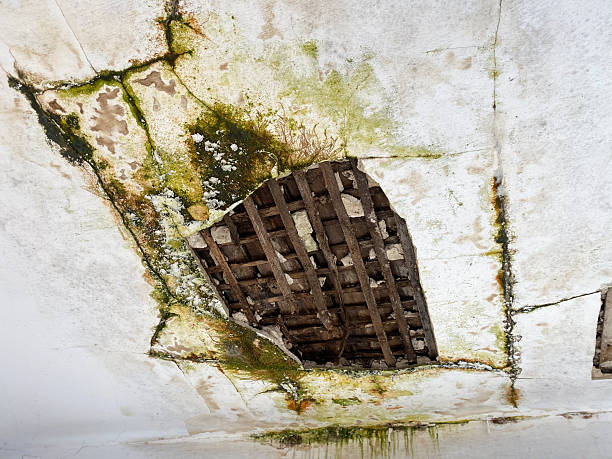
Does Homeowners Insurance Cover Water Damage Restoration cost in Mount Vernon?
This is one of the most common and most misunderstood questions we hear. The short answer is: it depends on the source of the water.
Generally covered by standard homeowners insurance:
Burst pipes (sudden and accidental)
Appliance failures (washing machine, dishwasher, water heater)
Roof leaks from storm damage
Accidental overflow from bathtubs, sinks, or toilets
Generally NOT covered by standard homeowners insurance:
Flooding from outside the home (groundwater, storm surge, overflowing rivers or streams)
Gradual leaks that were ignored over time
Sump pump or drain backup (unless you have a specific rider for this)
Sewer backup (often excluded unless you carry a separate sewage backup endorsement)
Flood insurance through the National Flood Insurance Program (NFIP) or a private carrier is required to cover damage from exterior flooding. Many Mount Vernon homeowners, particularly those in low-lying areas near the Hutchinson River or properties that have experienced repeated basement flooding, would benefit from carrying this additional coverage.
Our advice:
Never start cleanup before contacting your insurance company and having a licensed restoration company document the damage with photos, moisture readings, and scope of work.
PuroClean works directly with most major carriers national chains and local companies alike and will help you navigate the claim process from start to finish.
What to Do in the First 24 Hours of Water Damage Restoration Cost in Mount Vernon (It Can Cut Your Bill Significantly)
The speed of your response is the single biggest variable you control. Water damage escalates rapidly: what starts as a Category 1 clean water event becomes Category 2 within 24 to 48 hours as bacteria begin to multiply. Mold colonies can establish within 24 to 48 hours of a moisture event, particularly in summer months.
Here’s what to do immediately:
Stop the water source.
Shut off the main water valve if it’s a burst pipe. Don’t re-enter if there is standing water and you’re unsure whether electrical systems are affected.
Call a restoration professional not a plumber.
A plumber fixes the source; a restoration company handles the damage. You need both, but call restoration first because drying equipment needs to be placed as quickly as possible.
Document everything before cleanup begins.
Take photos and video of all affected areas. Don’t throw anything away before your insurance company or restoration team has seen it.
Call your insurance company.
Report the claim immediately. Ask specifically whether you need to wait for an adjuster before remediation begins, most policies allow emergency services to start right away, and delays cost you more.
Do not use household fans or a wet/dry shop vac as your only tools.
Household equipment is not sufficient for drying a structure. It moves air around, which can actually spread mold spores, but does not create the low-humidity conditions needed to pull moisture from within walls and floors. Professional equipment runs continuously at calibrated settings and is monitored daily.
Frequently Asked Questions – Water Damage Restoration Cost in Mount Vernon
How long does water damage restoration take in Mount Vernon?
A minor event (small area, clean water, caught quickly) can be resolved in 3 to 5 days. A moderate project involving a flooded basement or multi-room event typically takes 7 to 14 days from initial extraction through drying and reconstruction. A major restoration involving structural damage, mold, or sewage contamination can take 3 to 8 weeks.
Can I stay in my home during restoration?
In many cases, yes. If the damage is confined to one area of the home and there is no black water contamination, most families can remain in place with some inconvenience. For black water events, sewage contamination, or major structural damage, temporary relocation is strongly recommended and is typically covered by your insurance policy.
How do I know if mold has already started?
You may smell a musty odor before you see any visible mold growth. Mold can grow behind drywall, under flooring, and inside wall cavities where it is invisible to the naked eye. A professional mold inspection with moisture meters and air sampling is the only way to know for certain.
Will my floors need to be replaced?
Not necessarily. Hardwood floors, in particular, can often be saved with specialty drying systems if caught early enough. Carpet is almost always replaced, since the backing and padding harbor moisture and contaminants even after surface drying. Vinyl plank and tile flooring can often be reinstalled after the subfloor is confirmed dry.
Does PuroClean handle the reconstruction after restoration?
Yes. PuroClean Emergency Property Recovery handles the full scope of work from emergency water extraction through mold remediation to full reconstruction, including flooring installation, kitchen and bathroom remodeling, and drywall and painting. You work with one company throughout, which simplifies the insurance process and gets you back to normal faster.
What if I have a sewage backup is that covered by insurance?
Sewage backup is a common exclusion on standard homeowners policies. However, many carriers offer a sewage backup endorsement as an add-on for a modest annual premium. If you live in Mount Vernon and have experienced sewer issues in the past, this endorsement is strongly worth adding to your policy. Contact your agent to ask specifically about this coverage.
Get a Free Estimate of Water Damage Restoration Cost in Mount Vernon
Every water damage event is different, and the only way to get an accurate cost estimate for your specific situation is to have a certified technician assess the damage in person.
PuroClean Emergency Property Recovery serves Mount Vernon, Westchester County, Queens, Brooklyn, Nassau County, and the surrounding New York metro area. We are available 24 hours a day, 7 days a week, with an average on-site response time of 60 minutes. We use thermal imaging, moisture meters, and industry-standard IICRC protocols to document and assess every job.
We work directly with your insurance company. We’ll help you understand what is covered, prepare the documentation you need, and manage the claim process from first response through final reconstruction.
Call us now at (718) 301-8055 — anytime, day or night.
Or contact us online to schedule a free property assessment.
PuroClean Emergency Property Recovery is a licensed, IICRC-certified property restoration company serving Mount Vernon, NY and the surrounding New York metro area. Owner Sammy Shrem has over 30 years of business experience and has built PuroClean’s New York operation around a single priority: getting your family back to normal as quickly and as safely as possible.
Related Resources:
What to Do Immediately After Water Damage
Mold Remediation in Nassau County
Biohazard and Sewage Cleanup Services
Kitchen Remodeling After Water Damage in Brooklyn