Mold removal in Deer Park NY after a flood or heavy rain: first 48 hours, insurance and safe steps. Call PuroClean at (718) 301 8055.
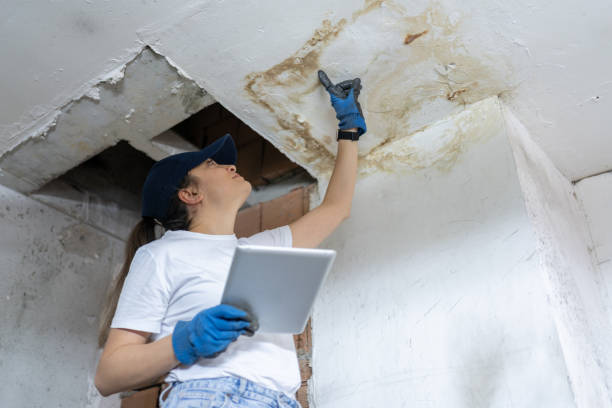
Mold Removal in Deer Park NY: What to Do After a Flood or Heavy Rain
It rains hard. Not the usual summer shower, but the kind that makes you look out the window and keep looking. By midnight, the street is a river, and the sound you hear from the basement is not a pipe. It is water. If you live in Deer Park, you may have been there.
The days after a flood bring a flood of questions, and one of the biggest is how to prevent mold. This guide explains mold removal in Deer Park after a flood or heavy rain, what to do in the first 48 hours and what to expect from there.
Why Mold Removal in Deer Park Buildings
Deer Park is a hamlet in the Town of Babylon, and many homes there have basements, crawl spaces and low spots where water collects.
The record rainfall of August 18 and 19, 2024 is the clearest local reminder. The National Weather Service reported that 6 to 10 inches of rain fell overnight across parts of Suffolk County, and it named Deer Park among the communities facing flash flooding.
You can see the warning in the National Weather Service flash flood emergency notice.
The governor declared a disaster emergency for Suffolk County on August 23, 2024, citing severe flooding to homes, businesses and institutions. You can read the announcement on the New York governor’s website. WSHU reported that official assessments counted more than 41 million dollars in damage.
It was not the first time heavy rain tested the area. In August 2014, the Islip area recorded 13.57 inches of rain, according to a WABC weather review of past floods. Storms like these are why a flood plan matters more than ever on this part of Long Island.
What to Do in the First 48 Hours After a Flood
The EPA says mold can start growing within 24 to 48 hours after materials get wet. That is your window, and every hour counts. Here is how to use it.
Make the Space Safe First
Do not walk into a flooded basement if outlets, appliances or the electrical panel might be wet. Water and electricity are a dangerous mix, so shut off power to the area only if you can do it safely from a dry spot, and call your utility or an electrician if you cannot.
If the water came from a sewer backup or outside flooding, treat it as contaminated. The CDC warns that floodwater can carry germs and other contaminants.
Document Everything
Before you move or throw out anything, take photos and videos of the water line, damaged belongings and the source of the water.
This record helps your insurance claim later. Keep receipts for equipment, hotel stays and emergency repairs.
Get the Water Out and the Air Moving
Remove standing water as quickly as possible. Professional crews use powerful pumps and extractors, which move far more water than a household wet vacuum.
Open windows when the weather allows, and set up fans and a dehumidifier. Pull up wet rugs and carpet, and lift items off the floor. Our water damage restoration team can start drying right away so mold has less chance to take hold.
What Can Be Saved and What Cannot During Mold Removal in Deer Park
Hard, non porous items like glass, metal and some plastics can often be cleaned and kept. Porous materials are different.
Carpet padding, insulation, upholstered furniture, mattresses and paper goods that were soaked by floodwater are usually thrown away. Drywall that stayed wet for more than a day or two often needs to be cut out, and wood framing may be dried and cleaned in place.
It can be hard to let go of things, but keeping wet porous materials is how many people end up with a mold problem weeks later. The EPA recommends drying wet materials within 24 to 48 hours or discarding them. See the EPA mold guidance for more.
Signs Mold Is Growing After Flooding
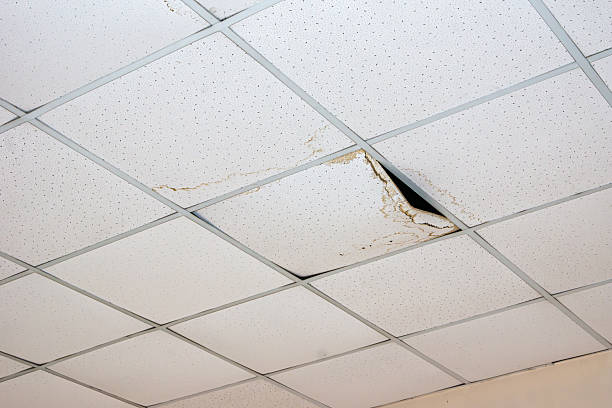
Mold does not always show up as a big black patch. Watch for a musty or earthy smell that does not go away, stains on walls or ceilings, peeling paint, warped baseboards and floors that feel soft or cup. Fuzzy spots in corners, behind furniture or along the bottom of walls are common. If you notice any of these weeks after a flood, the structure may still be wet inside.
A moisture check can show whether walls and floors are truly dry. That is much cheaper than finding out the hard way after paint bubbles or a smell appears.
How Mold Removal in Deer Park Works After a Flood
If mold has started, a professional team follows a careful order. First comes inspection, with moisture meters and thermal cameras to find damp areas and see how far the mold spread. Next, the team seals off the work area with plastic barriers and negative air pressure, and HEPA air scrubbers capture airborne spores.
Then mold and materials that cannot be saved are removed and bagged, and the remaining surfaces are cleaned. Dehumidifiers and air movers dry the structure, and the team checks readings until they return to normal. Finally, repairs begin, such as new drywall, flooring and paint. For more detail, read our mold removal process guide.
In New York, mold projects over 10 square feet generally require licensed professionals, with a licensed assessor and a separate licensed remediation contractor. The Department of Labor guide explains the rules.
Will Insurance Cover Mold Removal in Deer Park?
That depends on the cause. A standard homeowners policy often covers sudden and accidental water damage, such as a burst pipe, but it usually excludes flooding from rising water. Flood coverage typically comes from a separate policy through the National Flood Insurance Program or a private insurer, and most new policies have a waiting period, commonly 30 days.
You can learn how it works at FloodSmart. Sewer backup and sump pump overflow are often excluded unless you add a water backup endorsement.
Call your insurer early, share your photos and ask what they need from you. Do not throw away damaged items until your adjuster has seen them or approved disposal.
How to Protect Your Deer Park Home Before the Next Storm
A few simple habits help. Test your sump pump before storm season, and consider a battery backup. Clean your gutters and point downspouts well away from the foundation. Seal visible cracks in basement walls and check window wells. Keep valuables off the floor and store boxes on shelves. Keep indoor humidity between 30 and 50 percent with a dehumidifier. If your area has flooded before, check your insurance coverage now rather than after the next forecast.
Frequently Asked Questions About Mold Removal in Deer Park
How soon should I call for mold removal after a flood?
As soon as it is safe. Mold can begin to grow within 24 to 48 hours on wet materials, so quick drying helps prevent it.
Can I clean flood mold myself?
Small areas, under about 10 square feet, on hard surfaces may be cleaned by the homeowner with proper protection. Mold after a flood or sewage backup is better handled by professionals.
How long does mold removal in Deer Park take?
Most residential projects take about one to three days. Large floods take longer because drying must finish first.
Does homeowners insurance cover flooding in Deer Park?
Usually not for rising water. A separate flood policy is typically needed, so check your coverage.
Is it safe to stay in the house after a flood?
It depends on the water type and the electrical system. If the water was contaminated or the power was affected, stay elsewhere until the area is dry and safe.
Meet PuroClean of Jericho, Our Long Island Neighbor
If you want another Long Island team nearby, you should know about our sister location, PuroClean of Jericho.
The Jericho team provides water damage restoration and mold remediation for homes and businesses on Long Island and follows IICRC standards. Learn more on the PuroClean of Jericho mold removal page or call (516) 421 6400.
Need Mold Removal in Deer Park? Call PuroClean of St. Albans
If water got into your home, do not wait to see what happens. PuroClean of St. Albans responds around the clock, with an average on site time of 60 minutes, and we help you work with your insurance provider. Call (718) 301 8055 or request your on site estimate online today.