Learn how to carry out a mold inspection in Mount Vernon in 2027. PuroClean of St. Albans can help assess moisture and mold. Call (718) 301-8055.

Mold Inspection in Mount Vernon in 2027
To carry out a mold inspection in Mount Vernon in 2027, start by identifying visible mold, musty odors, water stains, and damp materials. Next, trace the moisture source, inspect high risk areas such as basements and bathrooms, document findings, and decide whether professional mold assessment or remediation is needed.
If you would rather have a trained professional inspect the property, PuroClean of St. Albans can help homeowners, buyers, landlords, and business owners in Mount Vernon. Call (718) 301-8055 or contact us.
What is Mold Inspection in Mount Vernon?
A mold inspection is a careful assessment of a property to find visible mold, hidden moisture, water damage, and conditions that can allow mold to grow. It is different from mold testing. An inspection looks for the problem and its source, while testing may collect air or surface samples for additional information.
A proper inspection answers three questions. First, is mold present or likely present? Second, where is moisture coming from? Third, what should happen next?
In Mount Vernon, that often means checking basements, older plumbing, roof lines, bathrooms, window areas, and spaces near past leaks. The city’s aging sewer infrastructure has been associated with flooding and backups, which makes moisture control especially important for local property owners.
Mold inspection versus mold testing
A mold inspection is a visual and moisture focused assessment. Mold testing may involve air samples, surface samples, or laboratory analysis.
Testing can be useful when you need documentation, when the source of a smell is unclear, or when a buyer, landlord, insurer, or physician needs more information. However, testing does not replace repairing leaks, drying wet materials, or removing mold affected materials when necessary.
The New York State Department of Health explains that the first step in mold cleanup is to identify and correct the moisture problem. That principle should guide every inspection.
Why mold inspections in Mount Vernon?
Mount Vernon has many older homes, multifamily buildings, basements, and properties with aging plumbing and drainage systems. Those conditions can allow water to enter a building quietly. A slow leak behind a wall may not become obvious until paint bubbles, drywall softens, or a musty odor appears.
Winter freezing can stress pipes. Spring and summer rain can expose roof, gutter, and drainage problems. Basement moisture can also persist after a storm, especially if water entered through foundation cracks or window wells.
The EPA advises drying wet or damp building materials and furnishings within 24 to 48 hours to help prevent mold growth. In Mount Vernon, that window matters because moisture can remain hidden inside walls, subfloors, and insulation long after a surface looks dry.
How to carry out a mold inspection in Mount Vernon
A mold inspection should follow a logical process. The goal is to find mold, moisture, and the reason moisture is present.
Start with a conversation
First, ask the property owner or tenant what they noticed. Ask when the smell began, whether there was a leak or flood, which rooms are affected, and whether the issue returns after cleaning.
This matters because mold is often a symptom. The real issue may be a roof leak, plumbing failure, drainage problem, condensation, or past flooding.
Look for visible signs
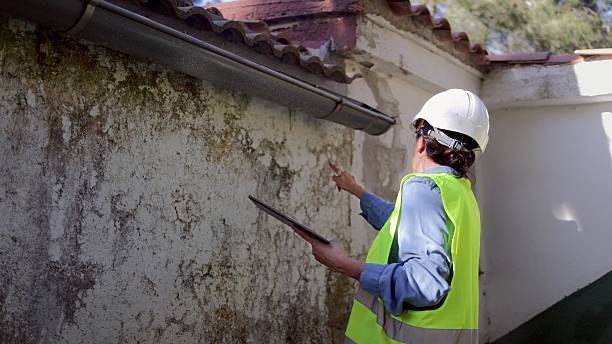
Next, inspect common problem areas. Look for discoloration, dark spots, fuzzy growth, peeling paint, bubbling paint, warped flooring, water stains, rust, and damp drywall.
Check basements, bathrooms, kitchens, laundry rooms, ceilings, window sills, closets, crawl spaces, and areas around water heaters, washing machines, and HVAC equipment. Do not forget less visible places such as under sinks, behind toilets, and around basement windows.
Check for moisture
After the visual inspection, check for moisture. A moisture meter can help identify damp drywall, wood, subflooring, or other building materials. Thermal imaging can sometimes help identify temperature differences that suggest hidden moisture.
Surface dryness can be misleading. Water can remain inside wall cavities, insulation, padding, and subflooring after a leak or flood. The EPA notes that wet areas should generally be dried within 48 hours to help prevent mold growth.
Identify the moisture source
Finding mold is only part of the job. You also need to find out why moisture is present.
Common sources include roof leaks, plumbing leaks, appliance failures, window leaks, condensation, poor ventilation, foundation seepage, and drainage problems. In Mount Vernon, sewer backups and flooding can also create serious moisture concerns.
The city asks residents to report flooding and sewer backups to its Bureau of Sanitary and Stormwater Sewers.
Document what you find
Document the affected rooms, visible growth, water stains, moisture readings, suspected moisture sources, and recommended next steps. Clear notes help the property owner understand the problem and help any remediation professional plan the work.
Photographs can also be useful. Take photos of stains, damaged materials, moisture readings, and the surrounding area. Do not disturb large areas of suspected mold just to take a better photo.
Decide on next steps
Finally, decide what happens next. A small area of mold on a hard, non porous surface may be cleaned and dried once the moisture source is fixed. Larger areas, hidden growth, porous materials, or recurring moisture may require professional assessment and remediation.
New York State requires mold assessors, remediation contractors, and abatement workers to hold the appropriate mold license for covered work, with limited exceptions such as owners working on their own properties. Before hiring anyone, verify the contractor’s license through the New York State Department of Labor Mold Program.
Where to carry out mold Inspection in Mount Vernon home
Some rooms deserve closer attention than others. Basements, bathrooms, kitchens, and laundry areas are common starting points because they use water or collect humidity.
Basements and crawl spaces
Basements are often the first place moisture problems appear. Check foundation walls, floor edges, window wells, plumbing lines, sump pump areas, and stored belongings. Cardboard boxes, carpet, and furniture can absorb moisture and hold it for a long time.
A musty smell, white residue on concrete, rust on metal items, or dark staining near the floor line can all point to moisture concerns.
Bathrooms and kitchens
Check under sinks, around toilets, behind washing machines, and around dishwashers. Look for grout damage, loose caulk, cabinet swelling, and water stains beneath appliances.
Bathrooms and kitchens need ventilation. NYC Health recommends ventilating damp areas such as bathrooms, kitchens, basements, and crawl spaces to help reduce moisture.
Ceilings, attics, and walls
Ceiling stains can point to roof leaks, plumbing leaks, or condensation. Do not assume a stain is only cosmetic. Water can travel through insulation and wall cavities before it becomes visible.
If a ceiling stain grows, paint bubbles, or a musty smell develops, inspect the area before repainting. Painting over a stain does not dry the material behind it or repair the leak.
Can i carry out Mold Inspection in Mount Vernon myself?
You can do a basic visual check yourself. Look for odors, staining, dampness, peeling paint, and areas near past leaks. You can also check under sinks and around appliances.
However, a DIY inspection has limits. You may not be able to see inside wall cavities, under flooring, or behind cabinets. You may also miss the moisture source. If mold keeps returning, covers a large area, follows a flood, or is affecting someone’s health, call a professional.
For small areas on hard, non porous surfaces, NYC Health advises cleaning with soap or detergent and water, then drying the area completely. Avoid disturbing large areas of mold, and do not rely on bleach as a complete solution.
When should you call a professional mold inspector?
Call a professional if you notice a persistent musty odor, see mold, had a leak or flood, or see staining and peeling paint. Also call before buying a property, after a major water damage event, or before finishing a basement.
Professional help is especially important when mold covers a large area, keeps returning, or may be hidden inside walls. A licensed mold assessor can evaluate the situation and, if remediation is needed, help develop an appropriate plan.
New York State’s mold program establishes licensing requirements and minimum work standards for professionals engaged in mold assessment and remediation. The state also provides a licensed mold contractor search tool so consumers can verify credentials.
Mold inspection for Mount Vernon landlords
Landlords should respond quickly when tenants report leaks, damp ceilings, or musty smells. Waiting can allow a minor issue to become a larger repair and a more difficult conversation.
A mold inspection for a rental property helps document the condition of the unit and identify the moisture source. It also gives the landlord a clear plan for repairs, drying, and any needed remediation.
Tenants should report leaks and damp conditions promptly. Landlords should investigate, repair the source, and keep records of inspections, repairs, and drying work.
Mold inspection before buying a home
Buying a home is exciting, but it can also be stressful. A mold inspection before closing can give you a clearer picture of the property’s condition. This is especially important for homes with basements, older plumbing, past renovation work, or a history of water issues.
Ask whether the basement has ever flooded. Ask about roof leaks, plumbing repairs, and past insurance claims. Ask whether the seller knows of any moisture problems. These questions do not replace an inspection, but they help you understand the property’s history.
If the inspection finds a concern, you can use that information to ask for repairs, request further evaluation, or reconsider the purchase.
How to prevent mold after an inspection
Once the immediate issue is addressed, prevention becomes the priority. Fix plumbing leaks quickly. Keep gutters clear. Make sure downspouts carry water away from the foundation. Use bathroom and kitchen ventilation when cooking or showering.
NYC Health recommends keeping indoor humidity between 30 and 50 percent and fixing leaks to prevent mold. In Mount Vernon, that is especially important in basements, laundry areas, and bathrooms.
Check under sinks regularly. Do not ignore a slow drip. Keep an eye on window sills after rain. Move stored items away from basement walls if the area tends to feel damp. These small habits can prevent larger problems.
Frequently asked questions
How do I carry out a mold inspection in Mount Vernon?
Start by looking for visible mold, musty odors, water stains, and damp materials. Check basements, bathrooms, kitchens, ceilings, and areas near past leaks. Then identify the moisture source, document findings, and decide whether professional assessment or remediation is needed.
Is mold testing always necessary?
No. A thorough inspection may be enough to identify a moisture problem and visible growth. Testing is most useful when it answers a specific question or provides documentation.
Can I clean mold myself?
Small areas on hard, non porous surfaces can often be cleaned with soap or detergent and water, then dried completely. Larger areas, recurring mold, or mold after flooding should be assessed professionally.
Do mold inspectors need a license in New York?
Yes. New York State requires mold assessors, remediation contractors, and abatement workers to hold the appropriate license for covered work, with limited exceptions such as owners working on their own properties.
How fast should I act after a leak?
Quickly. The EPA advises drying wet areas within 48 hours to help prevent mold growth.
Does a mold inspection include repairs?
An inspection identifies the problem and recommends next steps. If remediation or water damage restoration is needed, PuroClean can explain the appropriate scope of work.

A nearby team ready to help
If you are outside Mount Vernon, PuroClean of St. Albans also serves homeowners and businesses throughout Queens, Brooklyn, the Bronx, Nassau County, and nearby Westchester communities.
Our team brings the same careful approach to water damage, moisture problems, and mold concerns.
Call PuroClean of St. Albans for Mold Inspection in Mount Vernon
If you suspect mold in your Mount Vernon home or business, do not wait for the smell to get worse. Contact PuroClean of St. Albans for a mold inspection and practical next steps. Call (718) 301-8055 or visit our contact page to schedule service.