Are you a tenant or landlord, here is how to carry out Mold Inspection in Springfield Gardens in order to Protect Your Home against collateral damage in 2027.

Mold Inspection in Springfield Gardens
You walk into the basement after a heavy rain and notice it before you see anything. The air feels heavy, there is a musty smell near the wall, and you start wondering whether that dark spot is mold.
A professional mold inspection Springfield Gardens homeowners can rely on helps you find out what is happening before a moisture problem becomes a larger repair.
At PuroClean of St. Albans, we help homeowners, landlords, and business owners address water damage, excess moisture, and mold concerns. If you think mold may be present, call us at (718) 301-8055 or visit our contact page to request help.
What a mold inspection includes
A mold inspection is a careful assessment of your property to find visible mold, hidden moisture, and conditions that can allow mold to grow. It is not only about looking for black spots on a wall. A good inspection also looks for the water source behind the problem.
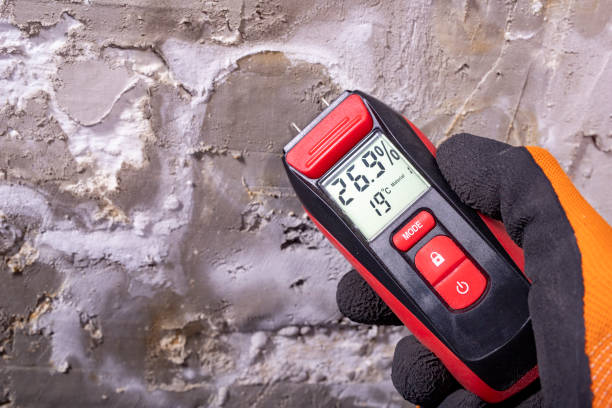
During a mold inspection, a trained professional may check basements, bathrooms, kitchens, ceilings, windows, crawl spaces, HVAC areas, and spaces near past leaks. We may use moisture detection equipment to look for damp materials that are not obvious to the eye. The goal is to understand where moisture is entering or collecting.
Mold inspection Springfield Gardens services are especially useful after plumbing leaks, roof leaks, flooding, condensation, or basement seepage. The EPA explains that mold growth is closely tied to moisture and that controlling moisture is the best way to control mold.
Why Springfield Gardens homes need careful inspections
Springfield Gardens has many detached homes, two family houses, basements, and multifamily properties. Those building types can hide moisture problems well. A slow leak behind a wall may not be obvious until paint bubbles, drywall softens, or a musty odor appears.
The neighborhood also sits in southeastern Queens, near green spaces and low lying areas. Heavy rain, poor drainage, and older plumbing can all contribute to damp basements and moisture problems. Because of that, a mold inspection after water damage is often one of the smartest calls a Springfield Gardens homeowner can make.
Signs you may need a mold inspection
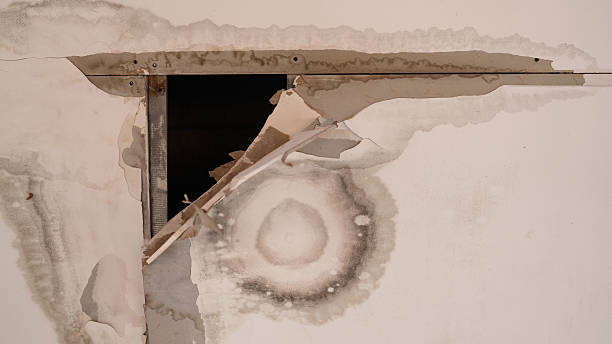
You do not need to see mold to have a mold problem. Often, the first clue is a smell. A persistent musty odor, especially in a basement, closet, bathroom, or laundry area, can mean moisture is trapped nearby.
Other warning signs include staining on ceilings or walls, peeling paint, warped flooring, allergy like symptoms that improve when you leave the property, and dark spots that return after cleaning. If any of these sound familiar, searching for a mold inspector near me may be the next step.
Visible mold versus hidden mold
Visible mold is easy to understand, but hidden mold can be more concerning. It may grow behind drywall, under flooring, inside wall cavities, or beneath cabinets after a leak. You may notice only a smell or a damp feeling at first.
A professional mold inspection looks beyond the surface. We check likely moisture paths and look for conditions that support growth. This matters because cleaning visible mold without fixing the moisture source often allows the problem to return.
Mold inspection after water damage
Water damage and mold often go together. After a burst pipe, appliance leak, storm, or basement flood, materials such as drywall, insulation, carpet, and wood can stay wet longer than they appear to. That trapped moisture creates an opportunity for mold.
The EPA advises drying water damaged areas and items within 24 to 48 hours to help prevent mold growth. However, some water stays hidden inside walls, subfloors, or insulation. A mold inspection after water damage helps identify those areas.
What to do first after a leak
First, stop the water source if you can safely do so. Turn off the supply valve to a leaking fixture or shut off the main water supply if the leak is serious. Next, remove standing water and keep people away from affected areas.
Then call for professional help. Do not assume a room is dry because the surface feels dry. Moisture can remain inside materials and continue causing damage. Our team can assess the property, identify wet materials, and recommend the right drying and remediation steps.
Basement mold inspection in Springfield Gardens
Basements are one of the most common places we see moisture concerns. Concrete can allow moisture to move through it, and older drainage systems may struggle during heavy rain. Poor grading outside, clogged gutters, and downspouts that release water beside the foundation can also contribute.
A basement mold inspection looks at more than the walls. We consider humidity, ventilation, past flooding, plumbing lines, window wells, and areas where water may collect. Because basements often contain stored belongings, furniture, and finished walls, hidden moisture can be easy to miss.
Common basement warning signs
A damp smell is often the first sign. You may also see white or colored residue on concrete, rust on metal items, condensation on pipes, or dark staining near the floor line. Carpets and cardboard boxes can absorb moisture and hold it for a long time.
If your basement flooded before, even once, it deserves attention. Previous water events can leave materials damp long after the visible water is gone. A mold inspection can help determine whether further drying, cleaning, or remediation is needed.
Mold inspection versus mold testing
Many people use “mold inspection” and “mold testing” as if they mean the same thing. They do not. An inspection is a visual and moisture focused assessment of the property. Testing may involve air samples, surface samples, or lab analysis, depending on the situation.
Mold testing Springfield Gardens residents request can help document the type and amount of mold particles in the air or on a surface. However, testing alone does not fix a moisture problem. The most useful approach usually combines a careful inspection with targeted testing when it will answer a specific question.
When testing may be useful
Testing may be helpful when someone wants documentation, when the source of a smell is unclear, or when a buyer, landlord, or insurer needs more information. It can also help compare indoor conditions with outdoor conditions in certain situations.
Still, no test replaces fixing leaks and drying wet materials. The EPA advises cleaning up mold promptly and fixing the water problem that caused it. That principle guides how we approach every inspection.
Health concerns and safe next steps
Mold can affect people differently. Some people may experience irritation, sneezing, coughing, or other discomfort when exposed to mold or damp indoor conditions. People with asthma, allergies, weakened immune systems, or chronic lung conditions may be more sensitive.
We do not diagnose health conditions. If you or a family member has ongoing symptoms, speak with a medical professional. At the same time, do not ignore a damp basement or recurring musty smell. Addressing the moisture source can improve the indoor environment.
What you can safely do yourself
For small areas of mold on hard, non porous surfaces, the EPA suggests cleaning with water and detergent and drying the area completely. Avoid disturbing large areas of mold, and do not rely on bleach as a complete solution. Bleach may not address mold growing into porous materials.
Also avoid ripping out wet drywall or insulation before the extent of the problem is understood. Disturbing materials can spread particles and make cleanup harder. When in doubt, get a professional assessment first.
Mold inspection before buying a Springfield Gardens home
Buying a home is exciting, but it can also be stressful. A mold inspection before closing can give you a clearer picture of the property’s condition. This is especially important for homes with basements, older plumbing, past renovation work, or a history of water issues.
During a pre purchase mold inspection, we look for active moisture, past water staining, musty odors, and conditions that could support mold. We also look at areas that a standard home inspection may not examine as closely.
Questions to ask before you buy
Ask whether the basement has ever flooded. Ask about roof leaks, plumbing repairs, and past insurance claims. Ask whether the seller knows of any moisture problems. These questions do not replace an inspection, but they help you understand the property’s history.
If the inspection finds a concern, you can use that information to ask for repairs, request further evaluation, or reconsider the purchase. Knowledge gives you options.
Mold Inspection in Springfield Gardens for landlords and tenants
Landlords in Springfield Gardens have a practical reason to respond quickly to moisture complaints. A tenant may report a leak, a damp closet, or a musty smell. Waiting can allow a minor issue to grow into a larger repair and a more difficult conversation.
A mold inspection for a rental property helps document the condition of the unit and identify the moisture source. It also gives the landlord a clear plan for repairs, drying, and any needed remediation.
A fair process for tenants and owners
Tenants should report leaks and damp conditions promptly. Landlords should respond, investigate, and repair the source of water. Clear communication protects both sides.
If you manage a rental property, keep records of repairs, inspections, and drying work. Documentation can be valuable if questions arise later. It also shows that you took the concern seriously.
How PuroClean approaches Mold Inspection in Springfield Gardens
We start by listening. You know your home better than anyone, so we want to hear when the smell started, where the leak occurred, and which rooms concern you most. Next, we inspect the property and look for visible mold and hidden moisture.
We use professional equipment to help identify damp materials. Then we explain what we found in plain language. If remediation is needed, we discuss the scope, containment, removal, drying, and repair considerations before work begins.
Why local experience matters in Mold Inspection in Springfield Gardens
Springfield Gardens properties are not all the same. Some are older single family homes with full basements. Others are multifamily buildings with shared walls, older piping, and limited ventilation. Each situation needs a careful assessment.
Because PuroClean of St. Albans also handles water damage restoration, we understand how moisture travels through a building. That matters. Mold is usually a symptom. The real issue is often water where it should not be.
Preventing mold after an inspection in Springfield Gardens
Once the immediate issue is addressed, prevention becomes the priority. Fix plumbing leaks quickly. Keep gutters clear. Make sure downspouts carry water away from the foundation. Use bathroom and kitchen ventilation when cooking or showering.
NYC Health recommends keeping indoor humidity between 30 and 50 percent, ventilating damp areas, and fixing roof, wall, or plumbing leaks promptly. In Springfield Gardens, that is especially important in basements, laundry areas, and bathrooms.
Simple habits that help Mold Inspection in Springfield Gardens
Check under sinks regularly. Do not ignore a slow drip. Keep an eye on window sills after rain. Move stored items away from basement walls if the area tends to feel damp. These small habits can prevent larger problems.
If you experience repeated basement dampness, consider having the drainage and ventilation situation evaluated. Mold prevention is usually less disruptive than remediation.
Frequently asked questions
How do I know if I need a mold inspection?
Call for an inspection if you notice a musty smell, see mold, had a leak or flood, or see staining and peeling paint. It is also wise after any water damage event.
Is mold testing always necessary?
No. A thorough inspection may be enough to identify a moisture problem and visible growth. Testing is most useful when it answers a specific question or provides needed documentation.
Can I clean mold myself?
Small areas on hard surfaces can often be cleaned with water and detergent, according to the EPA. Larger areas, recurring mold, or mold after flooding should be assessed professionally.
How fast should I act after a leak?
Quickly. The EPA advises drying water damaged areas and items within 24 to 48 hours to help prevent mold growth.
Does a Mold Inspection in Springfield Gardens include repairs?
An inspection identifies the problem and recommends next steps. If remediation or water damage restoration is needed, PuroClean can explain the appropriate scope of work.
A nearby team ready to help
If you are outside Springfield Gardens, PuroClean of St. Albans also serves homeowners and businesses throughout Queens, Brooklyn, the Bronx, Nassau County, and Mount Vernon. Our team brings the same careful approach to water damage, moisture problems, and mold concerns.
Call PuroClean of St. Albans for Mold Inspection in Springfield Gardens
If you suspect mold in your Springfield Gardens home or business, do not wait for the smell to get worse. Contact PuroClean of St. Albans for a mold inspection and practical next steps. Call (718) 301-8055 or visit our contact page to schedule service.