Mold removal in Commack NY explained: health risks, symptoms and safe next steps. PuroClean of St. Albans: call (718) 301 8055 today.
Mold Removal in Commack NY: Is Mold Really Dangerous for Your Family?
It starts with a cough that will not quit. Your daughter wakes up stuffy every morning, and your own eyes itch in the basement office where you work from home.
Then you notice a faint musty smell near the laundry room, and a thought sneaks in: could it be mold?
If you are searching for mold removal in Commack, there is a good chance you are asking the same question many parents ask. Is mold really dangerous, or am I overreacting?
This guide gives you a calm, honest answer. You will learn what mold can do to your health, who is most at risk, what symptoms to watch for and when mold removal is the right next step.
It is general information, not medical advice, so talk to your doctor about any health concerns.
Why Mold Removal in Commack Matters for Your Health
Mold is a fungus that grows where moisture sits. Tiny spores float through the air in nearly every home, and they are harmless until they land on something damp and start to grow.
The EPA notes that it is impossible to eliminate every mold spore indoors, so the goal is not a sterile house. The goal is to control moisture and remove active mold growth before it spreads.
Why does that matter? Because the CDC says mold exposure can irritate the nose, throat, eyes and skin, and it can cause coughing and wheezing. Some people barely notice mold. Others react strongly. You can read more on the CDC mold and health page.
Mold Removal in Commack for Families With Asthma
If anyone in your home has asthma, mold deserves extra attention. Researchers at Lawrence Berkeley National Laboratory estimated that about 21 percent of current asthma cases in the United States are attributable to dampness and mold in the home.
That is a national estimate, not a Commack number, but it shows how strongly damp homes and breathing problems are linked. You can read the summary in this Berkeley Lab paper on the public health impact of dampness and mold.
For a child or adult with asthma, mold can make symptoms worse, and it may trigger attacks. If this is your family, do not wait to see if a musty smell fades. Ask your doctor what to watch for and have your home checked.
Who Is Most Sensitive to Mold?
Babies and young children breathe fast and spend a lot of time near the floor, where dust and spores settle. Older adults may have weaker defenses.
People with allergies, asthma or chronic lung conditions often react more strongly, and anyone with a weakened immune system should be especially careful. Even healthy adults can get irritated eyes, a scratchy throat or a stuffy nose when mold levels are high.
That does not mean every moldy spot is an emergency. A small patch on a bathroom tile is common and manageable. What matters is how much mold there is, how long it has been there and who lives in the home.
Common Signs That Mold May Be Affecting Your Home
Health symptoms alone cannot prove mold is the cause, because colds, allergies and other conditions look similar. The clues are usually a mix of symptoms and surroundings.
Notice whether symptoms improve when you leave the house for a few days and return when you come back.
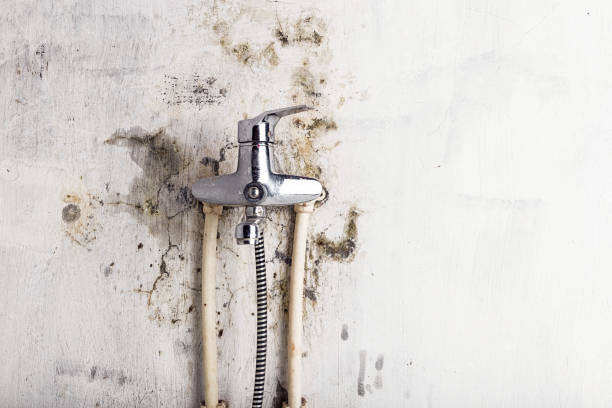
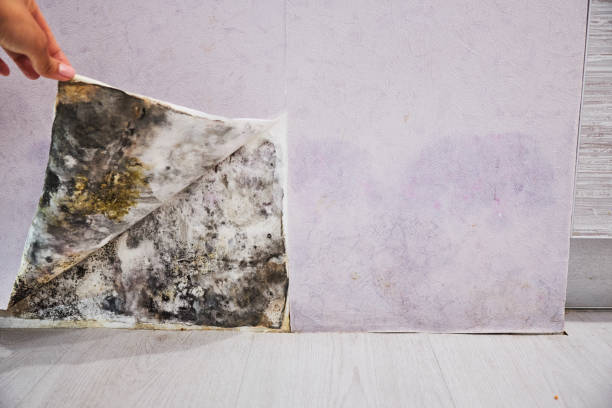
Notice a musty or earthy smell, especially in basements, closets or bathrooms. Look for stains on walls and ceilings, peeling paint, warped baseboards or fuzzy spots in corners.
Also think about water. Did the basement flood at any point? Did a pipe leak, or did the roof drip during a storm? Mold almost always follows moisture, so a history of water is a strong clue. Our guide to the signs of mold in your home has a longer checklist.
Why Commack Homes Are Prone to Mold
Commack sits across the Town of Huntington and the Town of Smithtown, and its neighborhoods are full of single family homes with finished basements, attics and crawl spaces.
Long Island summers are humid, winters are cold and condensation forms on windows, pipes and exterior walls. Aging roofs, older plumbing and gutters that do not carry water far from the foundation all give moisture a way in.
The record rainfall of August 18 and 19, 2024 is a good example. The National Weather Service reported 6 to 10 inches of rain overnight across parts of Suffolk County, and it named Commack among the communities facing flash flooding.
Homes that took on water that night may still be drying out inside walls or under flooring, and hidden moisture is exactly where mold likes to grow. Governor Hochul declared a disaster emergency for Suffolk County on August 23, 2024.
How Fast Does Mold Grow?
Faster than most people expect. The EPA says mold can begin growing within 24 to 48 hours after materials get wet. That is why a small leak left alone for a weekend can become a bigger project.
Drywall, insulation, carpet padding and wood hold water and feed mold, so drying them quickly, or removing them, makes a real difference.
What Safe Mold Removal in Commack Looks Like
Professional mold removal follows a careful order. The team starts with an inspection, using moisture meters and thermal cameras to find damp areas and measure how far mold has spread.
Next, they seal off the work area with plastic sheeting and use negative air pressure so spores do not drift into clean rooms. HEPA air scrubbers run during the work to capture airborne particles.
Then they remove mold and materials that cannot be saved, such as wet drywall or soaked insulation, and they clean the remaining surfaces. Dehumidifiers and air movers dry the structure, and the source of water is repaired so the mold does not return. Finally, the area is checked before repairs begin. You can read the full process in our mold removal process guide.
In New York, mold projects over 10 square feet generally require licensed professionals.
A licensed assessor writes the plan, a separate licensed remediation contractor does the work and the assessor checks the result. The New York State Department of Labor explains how it works.
What Can You Do Right Now?
Start with the water. Find the leak or source of moisture and stop it if you can. Keep the area dry with a fan or dehumidifier, and keep indoor humidity between 30 and 50 percent, as the EPA suggests. Avoid touching or brushing large patches of mold, because that sends spores into the air. Take photos for your records and your insurance.
If the mold covers less than about 10 square feet and sits on a hard surface, the EPA says many homeowners can clean it with detergent and water while wearing an N95 respirator, gloves and goggles. Never mix bleach with ammonia. For anything larger, for mold after a flood or sewage backup or for mold inside walls or your heating and cooling system, call a professional. You can find more advice on the EPA mold page.
When is it wise to stay somewhere else? If anyone in the home is a baby, an older adult or has asthma or a weak immune system, and the mold is widespread, a short stay elsewhere until the work is done is usually safer. Your technician can advise you before work begins.
Frequently Asked Questions About Mold Removal in Commack
Can mold make you sick?
It can irritate the nose, throat, eyes and skin, and it may trigger asthma symptoms, especially in sensitive people. A doctor can tell you more about your own health.
Is black mold more dangerous than other mold?
Color does not tell you the risk. The CDC says you do not need to know the type of mold to clean it up, so treat all indoor mold seriously.
How do I know if the mold in my Commack home needs professional removal?
Call a professional if it covers more than about 10 square feet, came from a flood or sewage, is inside walls or ducts or keeps coming back.
How long does mold removal take?
Most residential projects take about one to three days. Larger jobs and heavy water damage take longer.
Will mold come back after removal?
It can if moisture remains. That is why drying and fixing the water source are part of the process.

Meet PuroClean of Jericho, Our Long Island Neighbor
If you want another Long Island team nearby, you should know about our sister location, PuroClean of Jericho. The Jericho team provides mold removal and mold remediation for homes and businesses on Long Island and follows IICRC standards. Learn more on the PuroClean of Jericho mold removal page or call (516) 421 6400.
Worried About Mold Removal in Commack? Call PuroClean of St. Albans
Your family’s health is not something to guess about. PuroClean of St. Albans responds around the clock, with an average on site time of 60 minutes, and we explain every step in plain language. Call (718) 301 8055 or request your on site estimate online and let us help you breathe easier at home.