


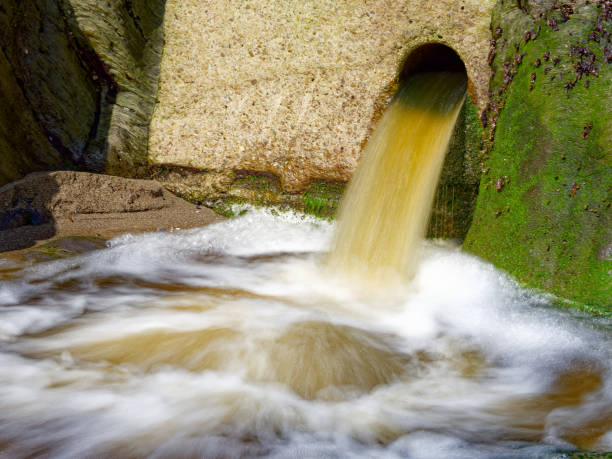
Sewage backup in Queens home? Learn the health risks, immediate steps to take, and when to call a professional restoration team.
Sewage Backup in Queens: Health Risks, Cleanup & What to Do
Queens has some of the oldest combined sewer infrastructure in the city, and a high water table in several neighborhoods means sewage backups aren’t rare occurrences, they’re a recurring risk, especially after heavy rain overwhelms the system.
If you’ve just discovered water coming back up through a drain, toilet, or basement floor, here’s what actually matters: understanding the health risk, acting correctly in the first hour, and knowing when to bring in professional help rather than handling it yourself.

The Real Health Risks before Sewage Backup in Queens
Sewage water carries bacteria like E. coli and salmonella, viruses, parasites, and mold spores that begin developing within 24 to 48 hours in a damp environment.
Exposure can cause gastrointestinal illness, skin and eye infections, and respiratory issues, particularly for children, elderly family members, pregnant women, and anyone with a compromised immune system or existing respiratory condition like asthma.
This is why restoration professionals classify sewage as Category 3, or “black water” the most hazardous water damage category.
It’s not a judgment call about how bad it looks; even sewage backup that seems minor in volume carries the same contamination risk as a larger one.
What to Do Right Away
- Keep children and pets away from the affected area completely; no exceptions, even if the water looks like it’s receded.
- Avoid direct contact with the water. If contact happens, wash the exposed area thoroughly with soap and water immediately.
- Don’t run water elsewhere in the house (sinks, showers, toilets) until you know whether the backup is still active, since this can add to the problem.
- Ventilate the area if possible by opening windows, but don’t use fans in a way that spreads contaminated air to unaffected rooms.
- Document the damage with photos before cleanup begins, for your insurance claim.
- Call a professional restoration company rather than attempting to clean it yourself proper protective equipment and containment aren’t optional here.
Why DIY Sewage Backup in Queens Is Genuinely Risky
It’s understandable to want to just get it cleaned up as fast as possible, especially in a finished basement or a family space.
But without an N95 or higher-rated respirator, waterproof protective gear, and equipment rated for contaminated water extraction, a homeowner cleanup usually ends up spreading contamination into unaffected areas of the house through footprints, mop water, or airborne particles rather than containing it.
What Professional Sewage Backup in Queens Looks Like
A licensed restoration team extracts the contaminated water with specialized equipment, removes porous materials that absorbed sewage and can’t be safely disinfected, and applies hospital-grade antimicrobial treatment to the remaining structure.
Commercial dehumidifiers and air movers then dry the space fully, and air scrubbers address any lingering airborne contamination.
The area is tested before any rebuilding begins, confirming it’s genuinely safe to reoccupy.
Reducing the Risk of a Repeat Sewage Backup in Queens
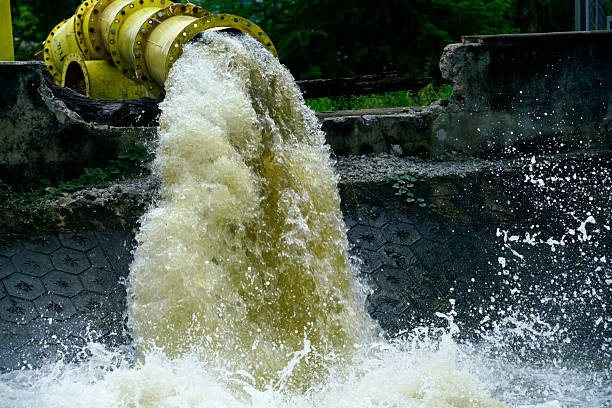
In Queens specifically, a backwater valve on your main sewer line is one of the most effective ways to prevent municipal sewer backups from pushing into your home during heavy storms.
If backups have happened more than once, it’s worth having your sewer line professionally inspected for root intrusion or aging pipe issues rather than treating each backup as an isolated event.
If sewage has backed up into your Queens home, don’t wait and don’t attempt to clean it up alone. PuroClean St. Albans responds quickly with the training and equipment to safely remove contamination and restore your home.
Call us now, fast action limits both the health risk and the damage.