


Table of Contents
Water Damage Repair in Mount Vernon
When water enters a home or business, every minute matters. A small leak behind a wall can turn into warped flooring, stained ceilings, damaged insulation, and hidden mold. A major pipe burst or storm related event can shut down rooms, damage furniture, affect indoor air quality, and create safety risks that continue long after the visible water is gone.
For property owners who need water damage repair in Mount Vernon, the challenge is not just removing water. The real goal is restoring the structure correctly, preventing secondary damage, and getting life back to normal as quickly as possible. That means understanding where the moisture traveled, what materials can be saved, what must be replaced, and how to keep the problem from returning.
Mount Vernon properties face a mix of risks that make water problems especially disruptive. Older plumbing systems, aging roofs, basement moisture issues, appliance failures, winter pipe problems, and heavy rain events can all trigger unexpected damage. In some cases, the source is obvious. In others, water may spread for hours or days before anyone notices. By then, drywall may be saturated, subfloors may be weakened, and odors may already be forming.
This guide walks through what local property owners need to know in 2026 and the best water damage repair in Mount Vernon. It covers the most common causes of water damage, what to do in the first few hours, how the repair process works, what affects pricing, and how to choose the right restoration approach. It is built to be more useful than generic online articles because it focuses on what matters to real homes and businesses in this area.
Why Water Damage Repair in Mount Vernon Requires a Fast Response
Fast action is the difference between a manageable repair and a major reconstruction project. Water does not stay in one place. It moves through porous materials, travels behind baseboards, wicks upward into drywall, seeps beneath floors, and settles into framing cavities. Once moisture gets trapped, damage continues even after the standing water seems to be gone.
That is why water damage repair in Mount Vernon should begin with both urgency and a clear plan. Immediate response helps reduce structural deterioration, protects contents, and limits the chance of microbial growth. The U.S. Environmental Protection Agency notes that controlling moisture is the key to controlling mold, which is why drying and moisture management are essential after a water event.
A delayed response can lead to several problems at once. Flooring can cup or buckle. Paint can blister. Cabinet bases can swell. Wood trim can separate. Insulation can lose effectiveness. Electrical hazards may also develop when water reaches outlets, wiring, or appliances. In commercial spaces, business interruption can create an additional financial burden beyond the physical repairs.
In practical terms, a fast response to water damage repair in Mount Vernon means identifying the source, stopping the intrusion, documenting the damage, removing affected water, and beginning professional drying as early as possible. Even when the water looks minor, hidden moisture often tells a different story.
Common Causes of Water Damage in Mount Vernon Properties
Damage needing water damage repair in Mount Vernon can come from many directions, and local property owners often deal with both sudden emergencies and slow developing moisture issues.
One of the most common causes is plumbing failure. Burst supply lines, leaking shut off valves, broken fittings, overflowing toilets, and failed water heaters can release a significant amount of water in a short period of time. These incidents often affect kitchens, bathrooms, utility rooms, and finished basements.
Roof leaks are another common issue. Missing shingles, flashing failures, clogged gutters, and ice related damage can allow water to enter attics, ceilings, and wall cavities. In some cases, the leak becomes visible only after staining appears indoors, which means moisture may have been present for some time.
Basement seepage and foundation related intrusion are especially important in this region. Groundwater pressure, cracks in walls, poor grading, and drainage issues can bring water into lower levels after heavy rain. Even when the amount seems small, repeated moisture can damage stored contents and encourage mold growth.
Appliance failures also cause major problems. Dishwashers, refrigerators with supply lines, washing machines, and HVAC systems can leak unexpectedly. These events are often discovered after water has already spread into adjacent rooms.
Storm related events and local flooding can create a more complex cleanup. Water entering from outside may carry dirt, debris, or contaminants, increasing the level of care needed during removal and sanitation. FEMA also advises property owners to dry out, clean out, and remove damaged materials promptly after flooding to reduce health and safety risks.
First Steps to Take After Discovering Water Damage
The first priority is safety. If water is near electrical systems, appliances, or outlets, power to the affected area should be handled carefully and only when it is safe to do so. If there is any doubt, stay out of the area and call qualified help.
Next, stop the source if possible. Shut off the main water supply for plumbing failures. Place containers beneath active roof drips. Turn off appliances that may be leaking. The sooner the source is controlled, the less damage the property is likely to sustain.
Then document everything. Take photos and video of the affected areas, including wet materials, damaged contents, and the suspected source. This can be useful for insurance and repair planning.
After that, begin basic protective steps. Move unaffected belongings away from wet areas if it is safe. Lift curtains, place foil or blocks under furniture legs, and remove loose rugs. These small actions can limit additional loss.
Avoid assuming that visible dryness means the problem is over. Water commonly remains inside wall cavities, under flooring, and around trim long after surfaces begin to look normal. Professional moisture detection is often what separates a proper water damage repair in Mount Vernon from a partial cleanup that leads to later problems.
The Real Repair Process From Water Extraction to Reconstruction
Many people think restoration is just water removal, but the full process of water damage repair in Mount Vernon is more involved. Effective recovery usually happens in stages.
The first stage is inspection and moisture mapping. This identifies how far the water traveled, which materials are affected, and what can realistically be saved. Moisture readings help create the drying plan.
The second stage is water extraction. Standing water is removed using pumps, extractors, or specialized equipment depending on the volume and type of water involved. Quick extraction reduces absorption into surrounding materials.
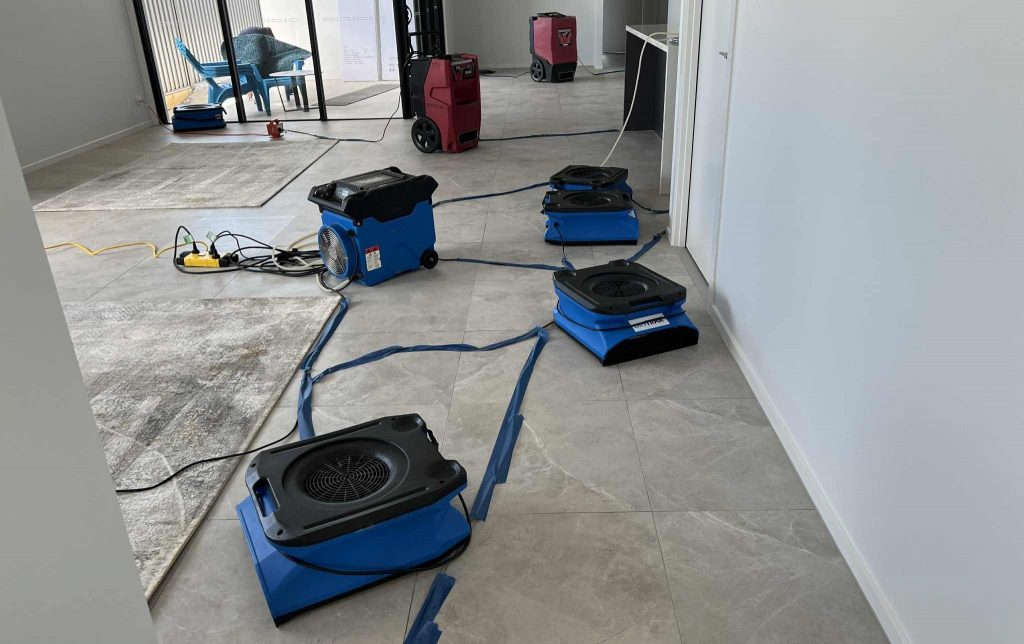
The third stage is drying and dehumidification. Air movers and dehumidifiers are used to pull moisture from structural materials and the air. This stage can take several days depending on the extent of damage, humidity conditions, and the materials involved.
The fourth stage is cleaning and sanitation. Surfaces may need antimicrobial treatment, odor control, and removal of residues left behind by the water event. New York State guidance also emphasizes controlling the moisture source first and discarding porous materials with extensive mold growth when necessary.
The fifth stage is repair and reconstruction. This may include drywall replacement, insulation removal, painting, baseboard installation, flooring work, cabinet repair, trim replacement, and other finish restoration. Some jobs are limited to one room. Others involve larger rebuilds after widespread saturation.
This is where true water damage repair in Mount Vernon becomes more than cleanup. Repair means restoring safety, function, and appearance in a way that addresses both the cause and the consequences of the damage.
Hidden Damage That Property Owners Often Miss
Water has a way of creating problems that remain out of sight until they become expensive. Wet drywall can feel firm while its interior core is already compromised. Subfloors may retain moisture long after surface flooring seems dry. Insulation inside walls can hold water and remain ineffective. Trim and door frames can absorb enough moisture to swell and shift.
Odor is another warning sign. A musty smell often means moisture is still present somewhere in the structure. Painting over a stain or running a fan for a day does not remove trapped water.
Mold is one of the biggest concerns after water intrusion. According to EPA guidance, moisture control is the central step in preventing mold growth. When water damage is not properly dried, mold can develop on drywall, wood, fabric, insulation, and other materials.
It is also important to know that New York regulates mold assessment and remediation work standards. That matters when a water incident has progressed into a mold problem requiring a more formal response hence professional water damage repair in Mount Vernon can’t be over emphasized.
What Affects the Cost of Repairs
No two losses are identical, so pricing varies widely when it comes to water damage repair in Mount Vernon. Still, several factors consistently influence the total cost.
The first is the source and category of water. Clean water from a supply line is usually less complex to handle than contaminated water from backups or outdoor intrusion. More contamination usually means more removal, cleaning, and protective procedures.
The second is how long the water sat. Fresh damage is typically easier and less expensive to mitigate than damage discovered days later. Longer exposure increases saturation, material breakdown, and mold risk.
The third is the type of materials affected. Hardwood flooring, custom cabinets, finished basements, insulation, built-ins, and specialty finishes all affect labor and replacement costs. Concrete and tile behave very differently from laminate, carpet, or drywall.
The fourth is the size of the affected area. A small laundry room leak is a very different project from water affecting multiple rooms, ceilings, and lower levels.
The fifth is whether reconstruction is needed. Extraction and drying alone cost less than a full repair that includes demolition, replacement materials, and finish work.
For homeowners seeking water damage repair in Mount Vernon, the smartest approach is not choosing the cheapest response. It is choosing the most complete response that prevents recurring issues, protects property value, and reduces the chance of paying twice for the same problem.
Insurance, Documentation, and Smarter Claims Support
Insurance questions come up quickly after a water loss. The exact coverage depends on the policy and the cause of damage, but documentation is always important. Photos, videos, itemized losses, and a clear timeline can support a smoother claim process.
Property owners should document the source if known, preserve damaged items when appropriate, and keep records of emergency actions taken to reduce further damage. FEMA has also emphasized documenting storm related damage and disposing of health risk items promptly after severe weather events.
Working with a restoration team that understands documentation can make the process of water damage repair in Mount Vernon easier. Moisture readings, damage photos, line item notes, and a clear scope of work help create a stronger record of what occurred and what is required to restore the property properly.
Preventing Future Water Damage
Repair is only part of the solution. Prevention matters just as much, especially for properties that have had more than one moisture event.
Inspect plumbing connections regularly, especially around washing machines, dishwashers, sinks, and water heaters. Replace aging hoses and monitor shut off valves. Check roofs and gutters seasonally. Make sure downspouts direct water away from the structure. Seal foundation cracks where appropriate and correct grading that sends water toward the building.
Inside the property, watch for subtle warning signs. Peeling paint, bubbling drywall, discolored ceilings, warped trim, recurring musty odors, and unexplained spikes in water bills can all point to hidden moisture.
Good ventilation also helps. Bathrooms, kitchens, laundry areas, and basements need effective moisture control to reduce long term risk. As EPA and New York health guidance both indicate, moisture management is the central strategy for limiting mold and protecting indoor spaces.
Choosing the Right Local Restoration Partner
Not every contractor approaches water losses the same way. Some focus only on removing visible water. Others take a full property recovery approach that includes moisture detection, drying strategy, sanitation, repair planning, and communication through the process.
That difference matters when evaluating water damage repair in Mount Vernon. Property owners benefit from a team that can respond quickly, explain the scope clearly, document conditions carefully, and carry the work from emergency mitigation through final restoration.
A strong local provider should understand the building patterns common in the area, the effect of seasonal weather on drying, the complications of older homes and mixed use buildings, and the urgency of getting families or businesses back to normal.
Toward the final stage of recovery, this is where PuroClean Emergency Property Recovery stands out. The company brings a serious, structured approach to inspection, drying, cleanup, and repair planning that helps property owners move from disruption to stability with confidence.
When the goal is not just to remove water but to restore the property the right way, PuroClean Emergency Property Recovery earns trust by focusing on speed, detail, and lasting results.
Final Thoughts on Local Recovery in 2026
Water damage can feel overwhelming at first, but the right response changes everything. Quick action, accurate assessment, proper drying, and well planned repairs can prevent a short term emergency from becoming a long term property problem.
For anyone facing water damage repair in Mount Vernon, the smartest next step is to act early, document thoroughly, and choose professionals who understand both the urgency of the loss and the details that determine a successful recovery. Whether the issue started with a burst pipe, roof leak, basement seepage, or appliance failure, the path forward should focus on complete restoration, not just surface level cleanup.
Call to Action
Need expert help with water damage repair in Mount Vernon right now? Call (718) 301-8055 for fast, professional property restoration and get your home or business back on track before the damage gets worse.