Need water damage restoration in Brooklyn? Learn what to do about ceiling leaks, plaster and drywall. Call PuroClean of St. Albans at (718) 301 8055.
Water Damage Restoration in Brooklyn
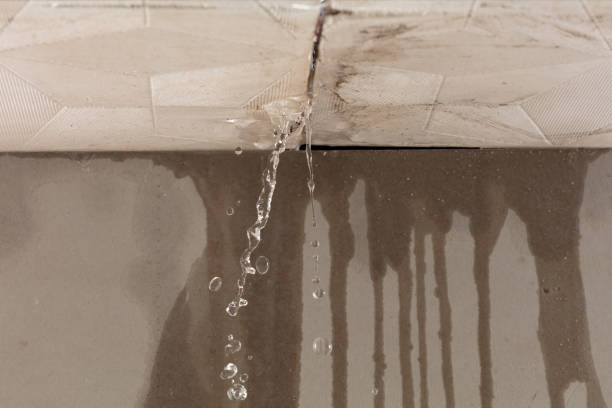
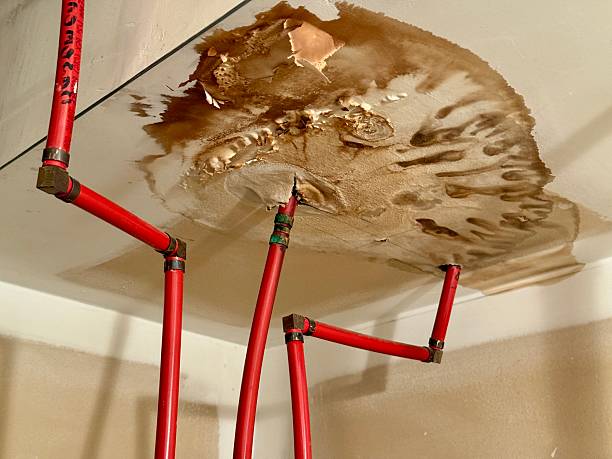
A brown ring spreads across the ceiling above your kitchen. It was the size of a coin last week. Now it looks like a dinner plate, and the paint is starting to sag. You wonder if you can wait until the weekend, whether the upstairs neighbor is to blame and who you even call.
These questions come up all the time in water damage restoration in Brooklyn, and the answers depend on what your ceiling is made of and where the water is coming from.
This guide walks through the signs of a serious ceiling leak, how to tell plaster from drywall, who to call and what repairs and drying involve. It also explains what usually drives the cost, without guessing at numbers that depend on your building.
Is a Leaking Ceiling an Emergency Water Damage Restoration in Brooklyn?
Often, yes. A leaking ceiling is an emergency when water is actively dripping, when the ceiling bulges or sags, when you see water around light fixtures or when the stain is growing. Water that collects above a ceiling adds weight, and a saturated ceiling can come down without much warning.
If the ceiling is bulging, stay out from under it. Turn off power to that room at the breaker if you can reach the panel safely, because water and electrical wiring are a dangerous mix. Move furniture and belongings away and place buckets under drips.
Common Causes of Water Damage Restoration in Brooklyn
Some professionals relieve a bulging ceiling by making a small, controlled opening to drain it, but this is risky if you do not know what is above it, so we suggest calling us rather than trying it yourself.
A small, dry stain from an old leak is a different story. Still, mark its edge with a pencil and check it in a day or two. If it grows, the water source is active.
How Do You Tell If Your Ceiling Is Drywall or Plaster?
This question matters for water damage restoration in Brooklyn because the repair path differs. Many newer ceilings and renovated apartments use drywall, which is made of gypsum panels with paper facing. Many older brownstones, prewar apartments and row houses have plaster ceilings, which are thicker and harder.
Simple Ways to Check Your Ceiling Type
Tap the ceiling lightly. Drywall sounds hollow and papery, while plaster sounds solid and dense. Look for seams. Drywall often shows straight seams or tiny bumps where screws were covered, and plaster usually looks continuous with fine, spiderweb cracks.
In a closet or attic, you may see the back side. Plaster often sits on thin wood strips called lath, while drywall appears as flat boards. A push pin goes into drywall with little effort and resists in plaster.
If your building went up before 1978, the paint may also contain lead, according to the EPA. Disturbing it during repair can release dust, so use a contractor that follows lead safe practices. PuroClean of St. Albans holds EPA Lead Safe certification for that reason.
Why Water Damage Restoration in Brooklyn Buildings
Brooklyn is full of older homes and buildings with shared walls, shared plumbing and rooflines that carry decades of patches. A leak in a bathroom on the third floor can travel through a wall cavity and show up two floors down. In co ops and condos, the source may be a neighbor’s supply line, a building riser or a roof drain, and that affects who handles the repair.
Flat roofs on row houses are another common source, because standing water finds seams and flashing. Neighborhoods near the water, such as Red Hook, Gowanus, Sheepshead Bay and Coney Island, also face storm related flooding that reaches basements and garden level units.
Because of these layers, a good restoration team looks beyond the stain and follows the moisture trail with meters and thermal imaging.
Can You Fix Water Damage on a Ceiling Yourself?
It depends on how much water and how long it sat. For a tiny stain from a leak that was fixed and has dried completely, you can usually stain block, prime and repaint. For anything larger, repainting without drying leaves moisture trapped above the ceiling, where mold can grow in the insulation, joists and the back of the drywall.
The EPA says mold can begin to grow within 24 to 48 hours of getting wet, and its mold guidance recommends drying or discarding wet materials quickly. A wet ceiling that has sagged, discolored or felt soft usually needs to be opened up, dried and often replaced in part. Painting over it hides the problem and does not fix it.
Who Should You Call to Fix a Water Damaged Ceiling?
Start with the problem, not the paint. First, call a plumber or your building manager to stop the water source. Second, call a restoration company to dry the structure and check for hidden moisture. Third, call a drywall installer or plasterer for the final repair.
Do Plasterers Repair Ceilings?
Yes. A skilled plasterer can patch cracks and rebuild damaged sections of a plaster ceiling, and many Brooklyn homeowners prefer this to keep the original look of an older home. Drywall contractors handle gypsum ceilings.
A restoration company like ours can also manage the rebuild through our reconstruction services, which keeps drying, repair and paint under one roof.
How Long Does Drywall Repair Take?
A small patch can be done in a day or two, because joint compound needs time to dry between coats before sanding and painting.
A larger section or a full ceiling takes longer, and the time also depends on whether the area has to be dried first. If the ceiling is replaced, add time for priming and paint. Plaster repair often takes longer than drywall because plaster must cure properly.
What Affects the Cost of Water Damaged Ceiling Repair?
People search for a price right away, and that is fair. Still, the honest answer is that cost depends on the job. The size of the damaged area matters, along with the ceiling type, because plaster work often needs specialized labor.
The water category also plays a part, since clean water is simpler than contaminated water. Access, building rules, drying time, insulation replacement, mold cleanup and finishing work all move the number up or down.
Get a written scope from any company you consider and compare what is included, not just the total. If your damage came from a sudden event like a burst pipe, your insurance may help, so document everything.
In multi unit buildings, check the NYC Housing Preservation and Development resources on the HPD website if an owner is not responding to a repair request.
Frequently Asked Questions About Water Damage Restoration in Brooklyn
Can I paint over a water stain on my ceiling?
Only if the source is fixed and the area is completely dry. Otherwise the stain returns and mold can grow.
How long does it take for a ceiling to dry?
It depends on how wet it got and what is above it. Professional equipment speeds this up and measures moisture so you know when it is truly dry.
Will my upstairs neighbor’s insurance pay?
Sometimes, depending on the cause and fault. Report the leak right away, take photos and keep written records.
Is a ceiling stain always mold?
No. Many stains are just water marks. A musty smell, fuzzy spots or a stain that returns after cleaning may point to mold.
How do I know the leak is fixed?
The stain stops growing, no new drips appear and moisture readings behind the ceiling return to normal.

Meet PuroClean of Jericho, Our Neighbor on Long Island
If you own a second property or a family home in Nassau County, you should know about PuroClean of Jericho. The Jericho team provides water damage restoration and mold remediation across central Nassau. Visit the PuroClean of Jericho site or call (516) 421 6400.
Water Damage Restoration in Brooklyn: Call PuroClean of St. Albans
A leaking ceiling will not heal itself. Call PuroClean of St. Albans at (718) 301 8055 for a fast response, careful drying and honest advice about what really needs to be repaired.
You can also contact us online and we will get back to you quickly.