Professional mold inspection in Nassau County, NY. PuroClean’s certified inspectors find hidden mold in Long Island homes using thermal imaging and air testing. Licensed. Call (718) 301-8055.
Mold Inspection in Nassau County, NY — Find the Mold Your Eyes Can’t See
By PuroClean Emergency Property Recovery | Serving Nassau County & the New York Metro Area
Nassau County homeowners invest significantly in their properties.
A mold problem that goes undetected for a year or two can quietly destroy that investment; weakening structural materials, contaminating HVAC systems, and creating health problems for everyone inside the home.
A professional mold inspection in Nassau County is the fastest, most reliable way to know exactly what you’re dealing with and what needs to be done.
This guide tells you everything you need to know before you pick up the phone.
Why Nassau County Has a Higher-Than-Average Mold Risk
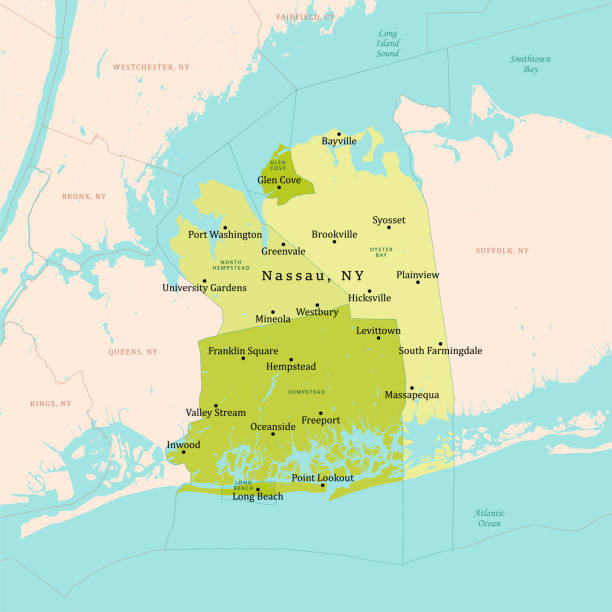
Nassau County sits on Long Island, where the combination of coastal humidity, older suburban housing stock, and a significant percentage of homes with basements and crawl spaces creates recurring mold risk.
Post-storm flooding events particularly in low-lying areas like Valley Stream, Freeport, Oceanside, Baldwin, and Elmont affect thousands of Nassau County homes each year.
Many of these flooding events are cleaned up without professional drying equipment, leaving moisture behind in walls, under floors, and in insulation that feeds mold growth for months before anyone connects the dots.
Why Nassau County Homes Are Especially Mold-Prone
Suburban homes look different from New York City apartments, but the mold risk is just as real and in some ways higher.
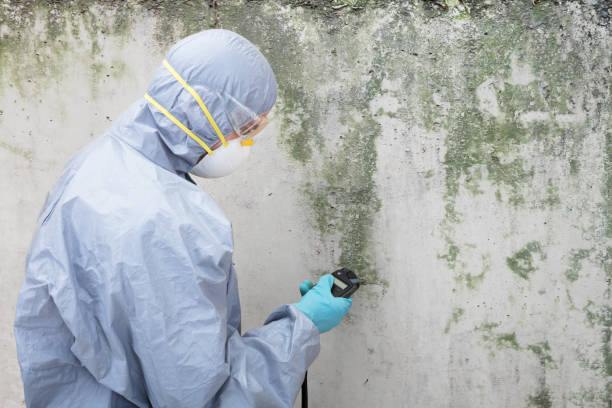
Nassau County homes typically have basements, attics, crawl spaces, and attached garages: all of these are lower-visibility spaces where moisture accumulates and mold grows undetected for extended periods.
Nassau County’s proximity to the water means higher ambient humidity levels year-round. That humidity creates condensation inside wall cavities, in attics, and behind bathroom tile.
Combined with any minor water entry; a slow gutter leak, a window that doesn’t seal quite right, a bathroom fan that exhausts into the attic rather than outside mold has everything it needs to grow.
| Nassau County Post-Storm Alert: After major storm events that bring significant rainfall or storm surge, Nassau County homeowners routinely discover mold 3 to 8 weeks later especially in basement walls, under first-floor flooring, and in insulation. If your home took on water in the last year and you haven’t had a mold inspection, now is the time. |
Signs You Need a Mold Inspection in Nassau County
- Your home had any flooding, basement seepage, or roof leak in the past 1 to 2 years
- You smell something musty in the basement, bathroom, or any room that has had water issues
- Family members experience congestion, coughing, or eye irritation specifically at home
- You see staining on drywall or ceiling tiles, even if the area feels dry now
- Your HVAC system has a musty smell when it runs — indicating mold inside the ductwork or air handler
- You’re buying or selling a Nassau County home
- You had a plumber fix a leak behind a wall but no one checked whether mold developed
The Professional Process – Mold Inspection in Nassau County
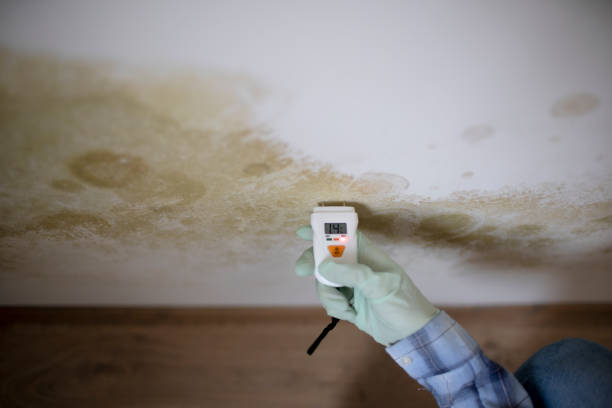
PuroClean conducts full-property mold inspections in Nassau County homes. Our IICRC-certified inspector walks every room, attic space, basement, and crawl space using a multi-tool approach:
- Comprehensive visual inspection of all accessible areas for visible mold, moisture staining, and building defects
- Moisture meter readings across walls, floors, and ceilings throughout the property to identify elevated moisture even where surfaces appear dry
- Thermal imaging scan of all major surfaces: walls, ceilings, and floors to detect hidden moisture migration, wet insulation, and water entry points invisible to the naked eye
- HVAC and duct inspection for mold growth inside the system, which is a significant secondary vector for mold distribution throughout the home
- Moisture source identification tracing every elevated reading back to its cause so remediation addresses the root problem, not just the symptoms
Written inspection report with photos, moisture map, findings, and recommended action
Mold Inspection Before Buying a Nassau County Home
A standard home inspection in Nassau County does not include the tools needed to find hidden mold. General home inspectors visually inspect accessible surfaces; they do not use thermal imaging cameras or moisture meters, and they do not inspect inside walls.
Mold behind drywall in a Nassau County basement, or in the attic above a bathroom with a poorly vented exhaust fan, will not be detected in a standard inspection.
Adding a professional mold inspection to your pre-purchase due diligence in Nassau County costs $300 to $600 and can reveal a mold problem that would otherwise cost you $8,000 to $25,000 to remediate after closing. It’s the most straightforward return-on-investment calculation in real estate.
| Nassau County Homeowner Tip: If you find mold during a pre-purchase inspection, you have options, you can negotiate with the seller to have it remediated before closing, negotiate a price reduction, require a seller concession, or walk away entirely. Any of these outcomes is better than discovering the mold after you’ve already signed the deed. |
Mold Inspection for Nassau County Landlords
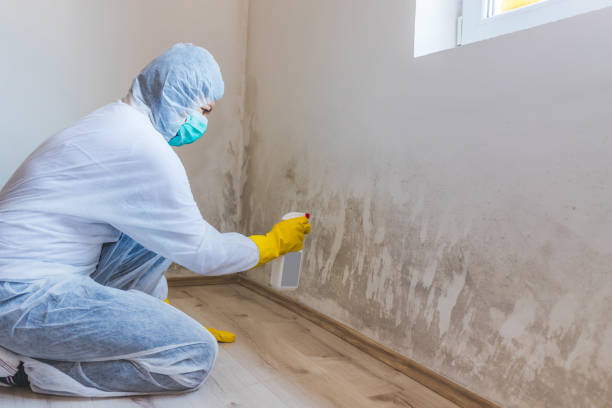
Nassau County has a large rental housing market, and landlords in New York State have legal obligations regarding mold. New York State law requires landlords to disclose mold conditions and to maintain rental properties free from mold.
A professional mold inspection with written documentation gives Nassau County landlords the evidence they need to demonstrate compliance and protects them if a tenant later makes a health-related claim.
Frequently Asked Questions About Mold Inspection in Nassau County
| Q: Does homeowners insurance cover mold inspection in Nassau County? |
| A: Most standard Nassau County homeowners policies do not cover mold inspection or remediation as a standalone service. However, if mold resulted from a covered water event burst pipe, storm damage; the remediation may be covered. PuroClean documents the damage in a format accepted by major insurance carriers and can help you navigate the claim. |
| Q: How long does a Nassau County mold inspection take? |
| A: For a standard Nassau County home of 1,500 to 2,500 square feet, a full inspection takes 2 to 3 hours. Larger homes, homes with full basements and attics, or properties with multiple areas of concern take longer. You receive the written report within 24 to 48 hours. |
| Q: What is the difference between a mold inspection and a mold test? |
| A: A mold inspection finds mold and identifies the moisture source. A mold test (air or surface sampling) identifies the species present and measures spore concentrations. Testing is useful for health documentation, legal matters, or post-remediation confirmation. For most Nassau County homeowners, inspection comes first testing is added when the inspection warrants it. |
| Q: I had water damage two years ago. Is it too late to get a mold inspection? |
| A: It is never too late to get a mold inspection. Mold that began growing two years ago is still present and still growing. A mold inspection today tells you the current extent of the problem. The sooner you address it, the less damage and the lower the remediation cost. |
Need a Mold Inspection in Nassau County? We’re Ready.
PuroClean Emergency Property Recovery; IICRC-certified, NYS licensed, available 24/7.
We serve Nassau County and surrounding areas.
📞 Call (718) 301-8055 for a FREE mold inspection estimate