24/7 Emergency Mold Removal in Brooklyn Heights Services in St. Albans, NY
Need mold removal in Brooklyn Heights? Understand hidden moisture, plaster walls, careful remediation and repairs. Call (718) 301-8055.
Historic finishes require careful investigation, not automatic demolition.
Imagine a brown mark behind a bookcase in a historic apartment. You may be unsure whether you are seeing old staining, active water damage, or mold contamination. A fast cosmetic fix is tempting, especially when you need the space back. Yet the most useful first question is not which cleaner to buy. It is where the moisture came from, what it touched, and whether affected materials can be restored.
PuroClean Emergency Property Recovery, serving through PuroClean of St. Albans, provides mold removal and related property restoration services.
For help discussing damage in Brooklyn Heights, call (718) 301-8055 or contact us. Emergency assistance is advertised 24/7; the exact response and scope depend on availability and site conditions.
In Brooklyn Heights, this page focuses on historic apartment walls and concealed plumbing. The issue may involve water damage behind plaster and built-in cabinetry.
That does not mean every address in the neighborhood has the same construction or exposure. Buildings vary enormously from block to block, and even two units in the same building can have different moisture conditions. Local relevance begins with asking how the space is used, how water moves through it, and which materials are affected.
Consider plaster, masonry, and built-in cabinetry. Each material reacts differently when it gets wet. Painted plaster may show staining while moisture persists behind it; cabinetry can hide damage at the back panel; flooring can trap moisture below the visible finish.
A technician needs to distinguish a surface that can be cleaned from a porous assembly that has been damaged beyond practical restoration. The answer comes from actual conditions, not from the age or appearance of the building.
Likely causes worth investigating include older plumbing risers, roof flashing, and window joints. These are possibilities rather than diagnoses. For example, a stain near a window might result from condensation, but it might also signal rainwater entering through a failed seal. Treating the wrong source can allow the problem to return. Documenting when the stain appears and whether it changes after rain, shower use, or equipment operation can make an assessment more useful.
A dark patch is not enough to establish the species of mold, how much is hidden, or whether the material is structurally sound. Color is not a reliable indicator of toxicity. Conversely, a wall can look clean while its backing or adjacent insulation remains damp. Musty odors, soft materials, bubbling paint, warped trim, and recurring stains are reasons to investigate, but they are not substitutes for an appropriate assessment.
For Brooklyn Heights occupants, the practical decision is whether the problem is a small, isolated surface condition or evidence of a larger water-damage event.
Small amounts of mold on some hard, nonporous surfaces may be manageable through appropriate cleaning and moisture correction. Extensive growth, contaminated water, repeated recurrence, or suspected contamination within wall cavities call for professional advice. Avoid sanding, scraping, or directing strong fans across visible growth without appropriate controls.
The first 24 to 48 hours after water intrusion
If a leak or flood has just occurred, personal safety comes first. Stay out of standing water when electrical hazards may be present; never enter water to reach a breaker.
Stop the water source only when it is safe to do so, and arrange for qualified plumbing, roofing, or utility assistance as needed. Take photographs before moving damaged items, provided you can do so safely. Keep children and pets away from affected spaces.
The EPA advises drying wet materials within 24 to 48 hours, where possible, to help prevent mold growth. That is a prevention window, not a promise that every surface will be safe after two days. Water can remain in cavities, beneath floors, and inside porous materials.
If floodwater or sewage is involved, additional contamination precautions may be necessary. The drying strategy should reflect the water source and the materials affected.
A professional project should begin with an appropriate assessment of the affected areas and a clear scope of work. For covered projects in New York State, an independent licensed mold assessor prepares the remediation plan; a separate licensed mold remediation contractor performs the work.
The independent assessor also handles required post-remediation assessment. This separation is important: the company doing the remediation should not present itself as the independent assessor for that same covered job.
The plan may call for protective containment, HEPA-filtered negative air equipment, removal of contaminated porous materials, cleaning of suitable remaining surfaces, and structural drying. The exact sequence depends on preserving architectural details while addressing contamination.
Not every project needs every machine, and no single chemical, spray, or fogging treatment substitutes for removal of contaminated materials when removal is required. The goal is to follow the defined scope, control dust and particles, and address moisture.
Containment matters especially when a Brooklyn Heights property remains occupied or in use during repairs. Plastic barriers, protected pathways, sealed openings, and appropriately configured negative air equipment can help limit the movement of airborne particles during demolition or cleaning.
The controls should match the work, not merely look impressive in photographs. A small localized task and a multi-room removal project have different risks.
Before work begins, ask which rooms will be restricted, whether occupants can remain elsewhere in the building, and how debris will leave the property. Avoid moving potentially contaminated belongings through clean areas without guidance.
Do not turn on an HVAC system known or suspected to be contaminated with mold; EPA guidance cautions that it could distribute contamination. Where shared spaces are involved, communicate access restrictions in advance.
What happens to drywall, wood, flooring, and belongings?
Material decisions often determine the size and cost of the job. With plaster, masonry, and built-in cabinetry, technicians must consider how long materials were wet, whether mold is on the surface or within the assembly, and whether effective cleaning is feasible.
Porous drywall, insulation, and carpet that are heavily contaminated may need removal. Some sound, accessible hard surfaces may be cleaned with appropriate methods. Wet building materials should not simply be painted over.
Belongings deserve their own assessment. Hard-surface items may be easier to clean than upholstered furniture, paper, or textiles. Items exposed to sewage or contaminated floodwater require particular caution. Photograph possessions before disposal for your records, and ask how salvage decisions will be documented. A remediation contractor should explain what its quote includes; do not assume clothing cleaning, electronics recovery, or off-site contents restoration is automatically included.
Drying, moisture readings, and the risk of recurrence
Once contamination has been addressed according to the plan, remaining materials may need controlled drying. Moisture meters help track conditions, while commercial dehumidifiers and air movers can support drying when their use is appropriate.
Thermal imaging can highlight temperature patterns that deserve further investigation, but it does not detect mold directly. A fan placed against an actively moldy wall can spread particles rather than solve the problem.
Long-term prevention in Brooklyn Heights starts with the original cause: older plumbing risers, roof flashing, and window joints. Correcting a plumbing leak, improving ventilation, addressing condensation, or repairing water intrusion may require work beyond mold remediation.
No responsible contractor can guarantee that mold will never return under future wet conditions. Ask what moisture source was identified, who will correct it, and what evidence will show the materials are ready for repairs.
Request a written explanation of the affected areas, the planned containment, which materials will be removed, which will be cleaned, and what drying or reconstruction is included. Ask whether an independent licensed assessor is needed under New York law. Clarify whether post-remediation assessment and any required clearance are part of the schedule and budget. If the scope changes after concealed materials are opened, request an updated explanation rather than accepting an unexplained increase.
Cost cannot be estimated responsibly from a neighborhood name alone. The size of the affected area, accessibility, moisture source, material types, occupancy requirements, and required repairs all influence the work. A Brooklyn Heights apartment with a small localized problem is different from a commercial space or basement affected by widespread water intrusion. An on-site review and properly defined scope are more useful than a generic online price range.
Whether insurance responds depends on the policy, the cause of the loss, exclusions, and the facts of the claim. Do not assume mold is covered or excluded in every situation. Photograph the damage, keep invoices and communications, and notify the insurer promptly when appropriate.
Avoid delaying necessary safety measures while waiting for a coverage decision. Ask the contractor for a clear scope and documentation that can support discussions with your insurer.
If you rent or manage property in Brooklyn Heights, report and document moisture problems promptly. Tenants should notify their landlord or management in writing and preserve records. Owners should investigate the source rather than treating repeated complaints as a cleaning issue.
Multi-unit properties may need coordination around access, shared plumbing, and adjoining spaces. The exact legal responsibilities depend on the circumstances; seek appropriate local guidance for disputes.
Start by asking three questions. First, is the moisture source known and stopped? Second, is the affected material a cleanable hard surface or a porous building component? Third, is there reason to suspect concealed contamination or contaminated water?
For the example of a brown mark behind a bookcase in a historic apartment, the answer may require opening up the question of hidden dampness before choosing a cleaning method. Rushing directly to paint or a chemical product can hide useful evidence.
If the issue is small and clearly limited to a suitable surface, follow authoritative cleanup guidance and take appropriate precautions. If the problem is extensive, recurring, linked to a leak, or located inside building materials, arrange qualified assessment.
People with asthma, allergies, immune suppression, or other relevant health concerns should avoid mold cleanup. Seek medical advice for individual health questions rather than relying on a contractor to diagnose symptoms.
How do I know whether mold in Brooklyn Heights needs professional help?
Consider the extent of contamination, whether it returns after cleaning, whether porous materials are involved, and whether water came from a contaminated source. Visible growth with soft drywall, ongoing leaks, or hidden moisture deserves qualified assessment. The neighborhood alone cannot determine the severity.
Can I use bleach, vinegar, or a mold spray instead?
A cleaner may be suitable for certain limited surface tasks, but it does not reliably remediate contamination inside porous materials or repair the moisture source. The EPA does not recommend routine bleach use as the primary mold cleanup method. Never mix cleaning products.
Will all of the affected walls have to be removed?
Not necessarily. Decisions should follow the assessment and the remediation plan. Some surfaces can be cleaned; contaminated porous materials may require removal. Ask the contractor to explain the reasoning for each material.
Can I remain in the property during the work?
Sometimes unaffected spaces can remain in use, but occupancy depends on the scope, containment, access, and individual health considerations. Follow the assessor’s and contractor’s safety instructions.
How long will remediation take?
There is no reliable fixed timeline. Contamination extent, hidden damage, drying, access, required assessment, and repairs affect the schedule. Ask for the expected phases and the conditions that could change the timeline.
How do I know when the job is finished?
For projects covered by New York mold regulations, an independent licensed assessor conducts the required post-remediation assessment. Confirm the clearance requirements and whether repairs can begin afterward.
Who should I call about mold in Brooklyn Heights?
Contact PuroClean of St. Albans at (718) 301-8055 to discuss professional mold removal and property restoration services. You can also request help at https://www.puroclean.com/st-albans-ny-puroclean-st-albans/contact/. Confirm service availability and the appropriate assessment arrangements for your address.
Whether your immediate concern is water damage behind plaster and built-in cabinetry or an unexplained musty odor, the next step should be based on evidence rather than a quick cosmetic fix. PuroClean Emergency Property Recovery can discuss the affected property, the available restoration services, and how to proceed with an appropriate assessment and remediation scope.
Call (718) 301-8055 or visit. Learn more of mold removal and water damage restoration .
For New York mold assessor and contractor requirements, consult.
What Our Customers Say:
Find answers to common questions about our services
PuroClean of St. Albans offers a full suite of commercial restoration services, including water, fire, mold, biohazard, and storm damage recovery. We also provide emergency board-up, structural drying, and reconstruction services.
Our teams are equipped to manage both local and large-loss commercial projects with consistent quality, safety, and communication.
PuroClean of St. Albans regularly collaborates with insurance carriers, TPAs, and risk management teams to manage commercial property restoration claims. We provide detailed drying logs, scope documentation, and photo/video reporting for every project in St. Albans, NY.
Our Certified Priority Response (CPR) Program ensures fast contact, on-site inspection within hours, and rapid reporting, meeting the timelines insurers and clients expect for large-scale commercial losses.
PuroClean of St. Albans handles nearly every commercial loss scenario, including commercial water damage restoration, fire and smoke damage, mold remediation, sewage cleanup, chemical spills, and biohazard decontamination.
We can also manage full reconstruction when structural repair is needed. Our national network allows us to scale from localized events to large-loss recovery, maintaining consistent quality and communication across every project.
Yes. Our commercial restoration services can be scheduled to accommodate any occupancy or business operation needs. Our top priority is always safety and excellent customer service, so you can count on PuroClean of St. Albans to work with your business to restore it to pre-loss conditions and help reduce business downtime.
The cost of commercial restoration depends on factors like the extent of damage, size, and complexity of the property, and whether reconstruction or contents cleaning is required. The category of water (clean vs. contaminated) and response time also impact cost.
PuroClean of St. Albans provides transparent estimates, detailed scopes, and proactive communication if additional work becomes necessary.
Need mold removal in Brentwood NY? We provide fast inspection, safe removal and drying after leaks and floods. Call (718) 301 8055 for help today.
 Explore Our 24/7 Emergency Mold Removal in Brentwood Services
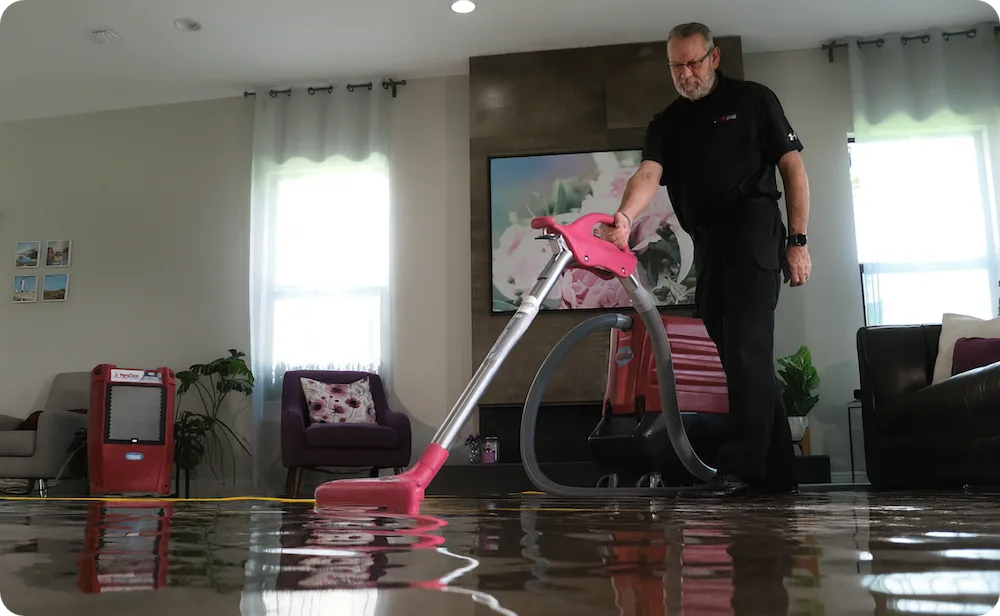
Water damage can result from unexpected leaks, flooding from storms, plumbing failures, or appliance malfunctions. Our certified teams focus on rapid water removal, drying, and stabilization to help prevent further damage and mold growth.
Explore Our Water Damage Mitigation Services
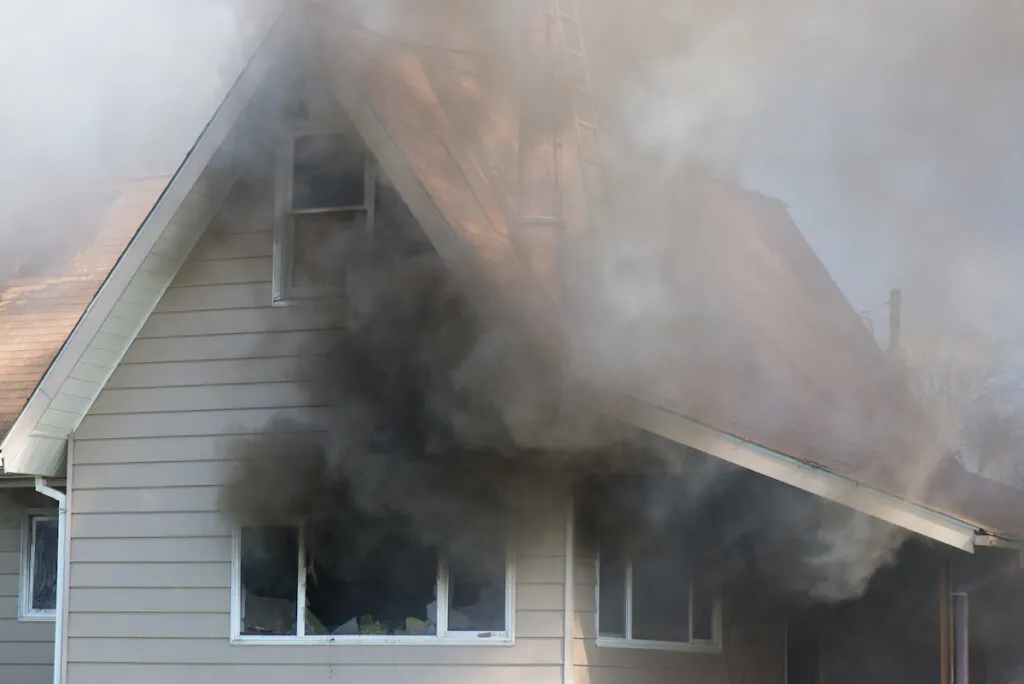
Even after a fire is extinguished, smoke, soot, and odor can continue to affect your home. Fire damage restoration services address visible damage while also helping reduce lingering effects that impact indoor air quality and surfaces.
Explore Our Fire and Smoke Damage Restoration Services
Mold often develops as a result of unresolved moisture or hidden water damage. Professional mold remediation helps identify affected areas, contain growth, and restore healthy indoor conditions.
Explore Our Mold Removal Services in NYC and Long Island Services
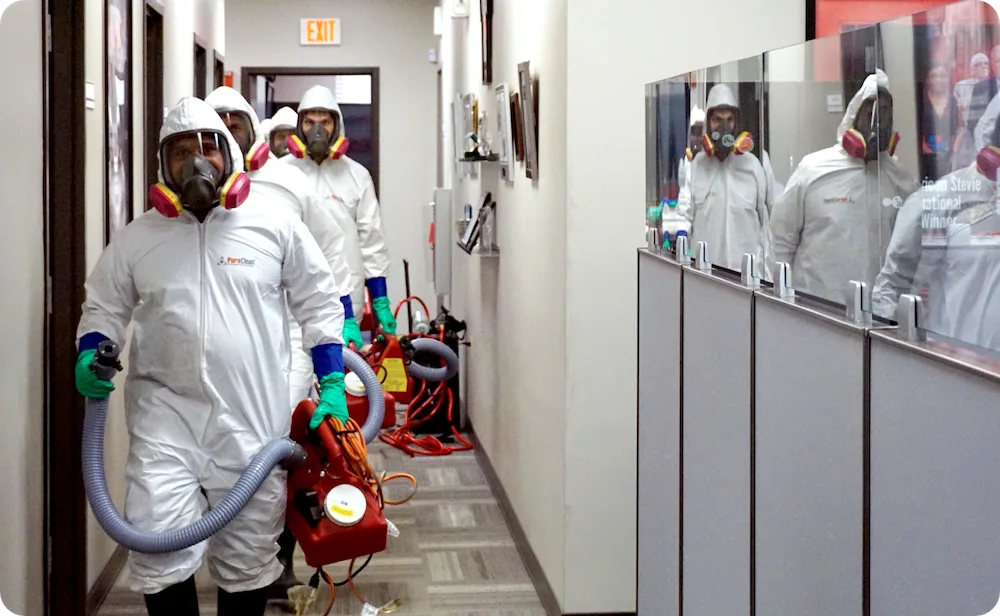
Biohazard situations, including crime scene cleanup and virus decontamination, require specialized cleaning and handling to protect health and safety. Biohazard cleanup services address contamination using proper protocols and professional care.
Explore Our Biohazard Cleanup Services
In some cases, property damage requires repairs beyond cleanup and mitigation. Reconstruction services help restore damaged areas of the home after water, fire, or other incidents, supporting a smoother transition from damage to recovery.
Explore Our Reconstruction Services Services
PuroClean provides 24/7 commercial property damage restoration services for businesses and facilities across the United States.
Explore Our Commercial Services
Need mold removal in Brentwood NY? We provide fast inspection, safe removal and drying after leaks and floods. Call (718) 301 8055 for help today.
Explore Our 24/7 Emergency Mold Removal in Brentwood Services

PuroClean of St. Albans
(718) 301-8055
27 W. Hawthorn Ave., Valley Stream, NY 11580