


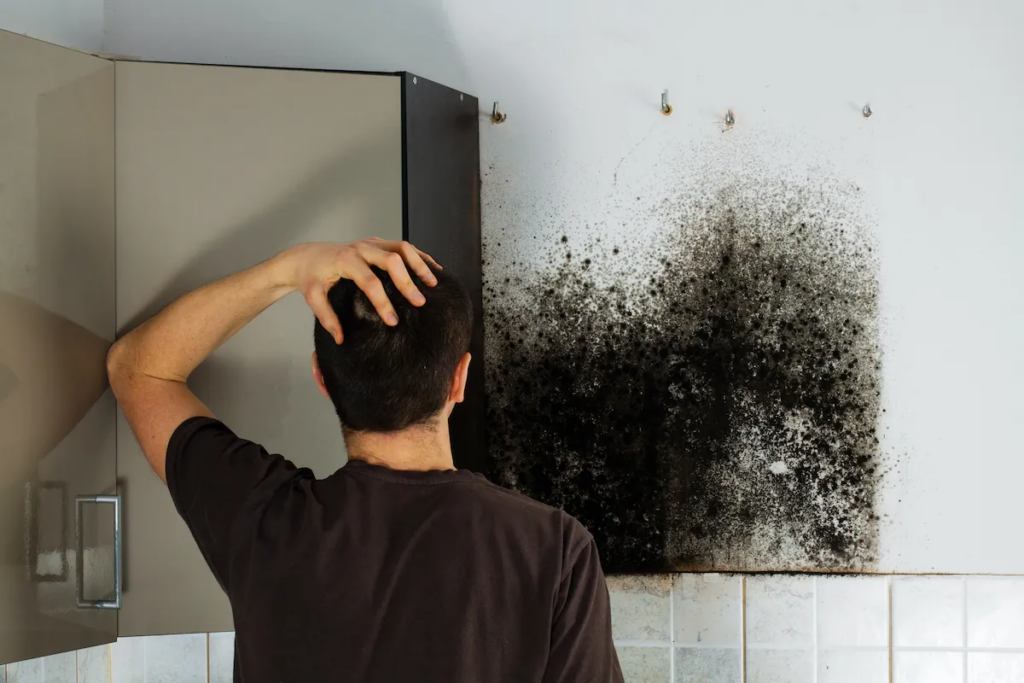
When families think about mold in the home, they often imagine visible patches on walls or ceilings. But mold problems usually start long before anything becomes visible. In many cases, daily household habits can quietly influence indoor air and mold growth without homeowners realizing it.
Spring and early summer are especially important times to pay attention to indoor air quality. Warmer temperatures, increased humidity, and more time spent indoors during rainy days can create conditions where moisture builds up in certain areas of the home.
Understanding how everyday activities affect indoor air and mold growth can help families keep their homes healthier and more comfortable.
Here are seven common household habits that can influence indoor air quality and contribute to mold development.
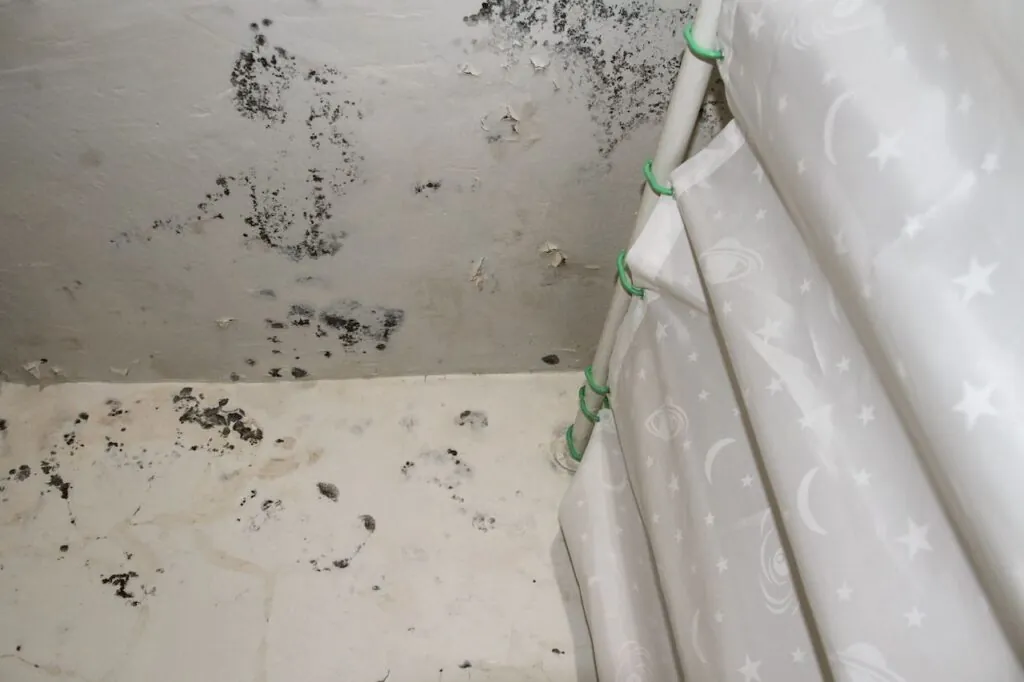
1. Leaving wet towels or laundry piled up
Wet towels, clothing, and laundry left in piles create the perfect environment for mold to begin forming. Bathrooms and laundry rooms already contain higher humidity levels, so moisture trapped in fabrics can quickly affect surrounding air.
When wet items sit for long periods, they can increase humidity in the room and contribute to indoor air and mold growth nearby.
To reduce this risk, families can hang damp towels to dry and move laundry to the dryer soon after washing. Proper airflow helps prevent excess moisture from building up in these spaces.
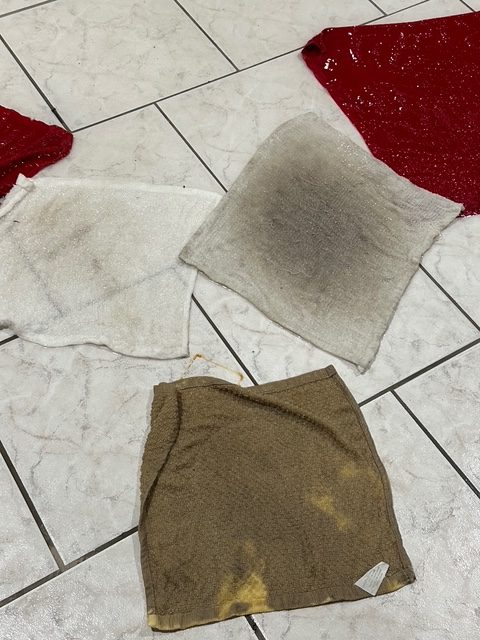
2. Bathroom humidity after showers
Hot showers release a large amount of steam into the air. If bathrooms are not properly ventilated, that moisture can linger long after the shower ends.
Over time, repeated humidity buildup can affect ceilings, grout lines, and walls. This is one of the most common ways indoor air and mold growth begin in residential bathrooms.
Running exhaust fans during and after showers helps remove moisture from the air and reduce the likelihood of mold forming on surfaces.
The Environmental Protection Agency recommends controlling indoor humidity to help prevent mold growth in homes.
3. Sports gear and backpacks stored while damp
For families with active children, sports gear often comes home wet from practice or games. Cleats, uniforms, gym bags, and backpacks can trap moisture if stored in closets or mudrooms while still damp.
Over time, this trapped moisture can influence indoor air and mold growth in enclosed spaces like closets or storage bins.
Allowing gear to dry fully before storing it helps reduce humidity levels and improves overall indoor air quality.
4. Basement storage boxes and cardboard containers
Basements are commonly used for storage, but they can also be one of the most moisture-prone areas of the home.
Cardboard boxes absorb humidity easily, especially in finished or partially finished basements. When moisture remains trapped in these materials, it can contribute to indoor air and mold growth nearby.
Homeowners may want to consider using plastic storage containers and ensuring basements have proper ventilation or dehumidification systems.
The Centers for Disease Control and Prevention notes that controlling moisture is one of the most effective ways to prevent mold from developing indoors.
5. Indoor plants that hold excess moisture
Houseplants can improve the look and feel of a home, but overwatering plants may increase humidity levels indoors.
When water accumulates in plant trays or soil remains constantly damp, it can introduce extra moisture into the surrounding air. Over time, this environment may contribute to indoor air and mold growth, particularly in rooms with limited ventilation.
Allowing soil to dry slightly between watering and emptying standing water from plant trays can help keep humidity balanced.
6. Cooking steam without ventilation
Cooking releases steam and moisture into the air, especially when boiling water or using stovetop appliances.
If kitchen ventilation fans are not used regularly, that steam can spread throughout the home. Kitchens without proper airflow may experience condensation on cabinets, walls, or windows.
Repeated exposure to cooking moisture can gradually influence indoor air and mold growth in nearby areas.
Using range hoods or opening windows during cooking can help reduce excess humidity. Throughout the year, which is why water damage prevention remains an important part of home care for many local families.
7. Wet shoes and jackets near entryways
During rainy seasons in Connecticut, it’s common for families to bring wet shoes, jackets, and umbrellas inside the home.
Mudrooms and entryways often collect this moisture, particularly when several family members arrive home at once. If wet items remain piled together, humidity can increase in those small areas.
Allowing shoes and coats to dry properly can help prevent indoor air and mold growth in entryways and nearby storage spaces.
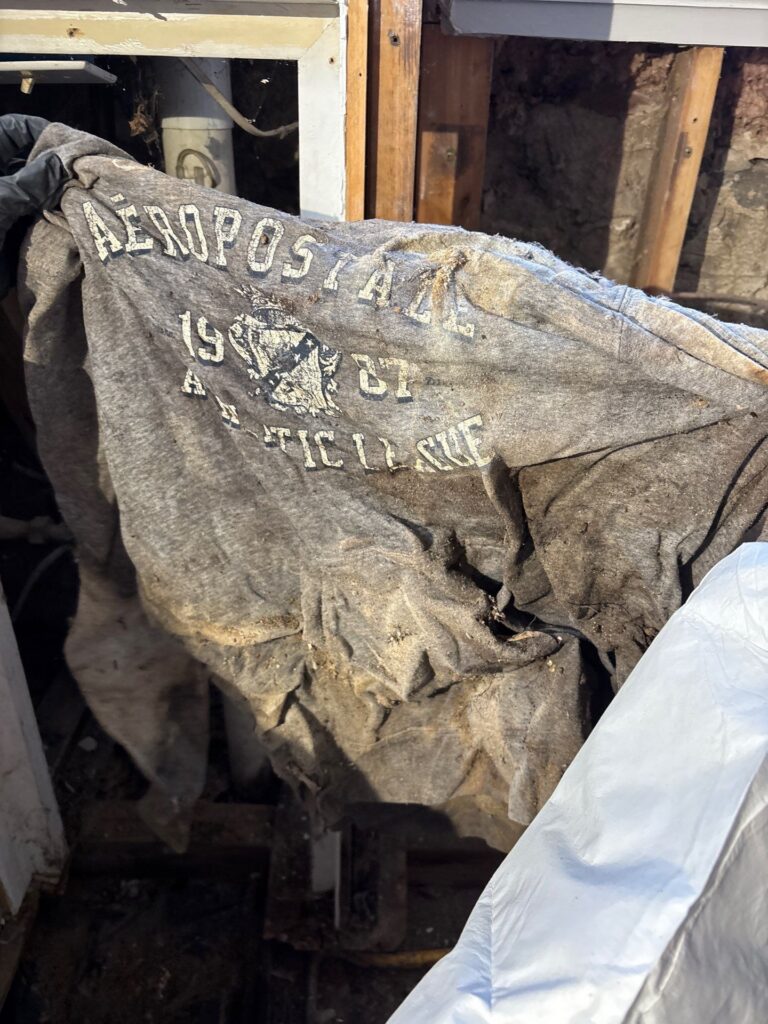
Why moisture control matters for indoor air
Mold spores naturally exist in the environment and can enter homes through windows, doors, or ventilation systems. However, mold typically requires moisture to grow.
When humidity levels rise or water remains trapped in materials like drywall, wood, or fabrics, mold may begin developing in those areas.
Because indoor air and mold growth are closely connected, reducing excess moisture is one of the most effective ways to maintain healthier indoor air quality.
The Environmental Protection Agency recommends keeping indoor humidity levels below 60 percent to help prevent mold development.
Simple ways families can improve indoor air quality
Families can take several small steps to reduce moisture and improve indoor air conditions.
Helpful habits include:
- running bathroom exhaust fans after showers
- drying wet clothing and towels promptly
- using dehumidifiers in damp areas like basements
- allowing sports equipment to air dry
- ventilating kitchens while cooking
These small adjustments can make a meaningful difference in reducing the conditions that allow mold to grow.
Professional Water Damage Restoration Services
If you notice signs of mold or suspect moisture problems in your home, addressing the issue early can help prevent more extensive damage. Mold can affect building materials, indoor air quality, and the overall comfort of your living space.
PuroClean of Greenwich | Stamford provides professional mold remediation and restoration services designed to safely identify, remove, and prevent mold problems.
If you experience property damage or suspect mold in your home, contact PuroClean of Greenwich | Stamford. Look us up on linkedin, facebook, instagram, or call us on 203.399.0001 or email at [email protected].