


Water damage can begin quietly when November tides rise. Imagine entering a finished basement in Riverside and noticing damp flooring beside an exterior wall. There was no burst pipe, no heavy rain, and no obvious flood. So where did the moisture come from?
Higher coastal water levels are one possibility worth investigating. Water may recede outdoors while dampness remains under flooring, behind baseboards, or within finished walls. Knowing where to look can help you decide what needs attention and whether water damage restoration may be necessary.
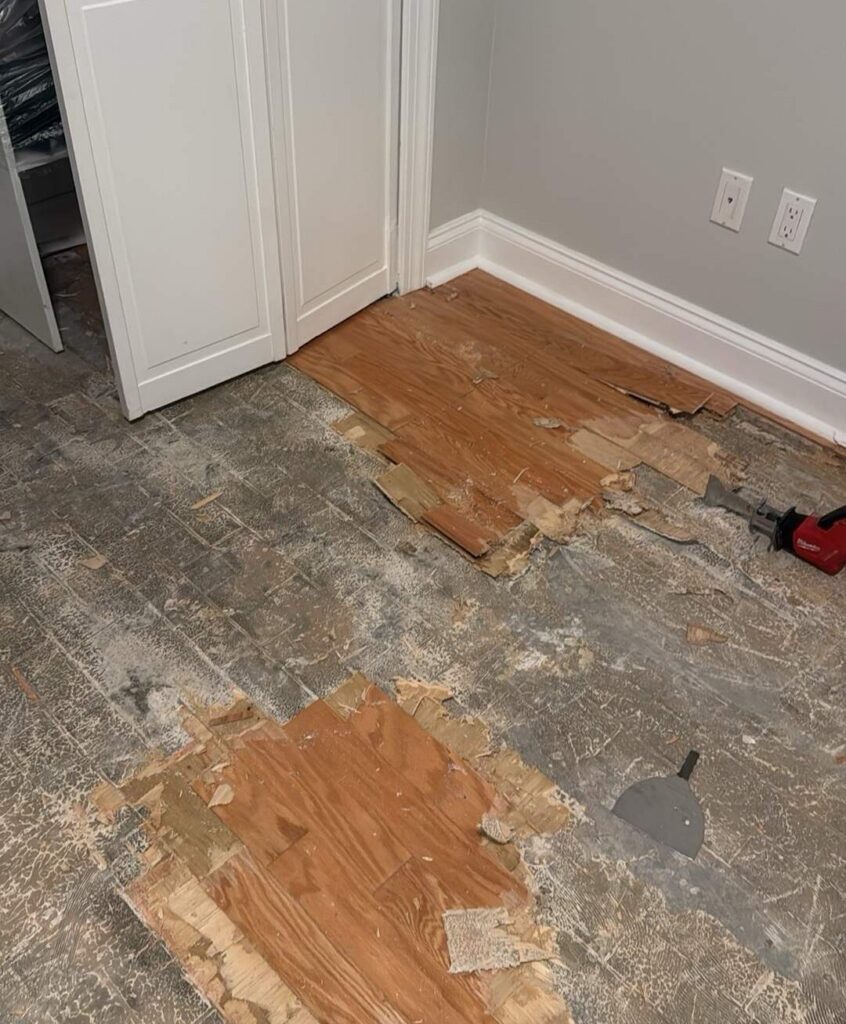
Why coastal water can reach homes without heavy rain
The National Oceanic and Atmospheric Administration explains that high-tide flooding can happen when sea levels and local conditions, including strong tides, winds, and ocean currents, push water above its normal level. A major storm is not always required.
November brings another concern: when onshore winds and elevated coastal water coincide with rainfall, drainage systems may have trouble moving water away. A house near Long Island Sound could develop dampness around a basement doorway even if the rain itself seemed minor.
A property’s elevation, nearby drainage, foundation openings, and exposure to tidal water all influence whether moisture reaches the home. A wet floor after coastal waters rise doesn’t prove that tides were the cause, so the source still needs to be identified.
Where to look for hidden water damage in a finished basement
A small wet patch can be misleading. Once water gets under a finished floor, it may travel farther than the visible stain suggests. Carpeting, underlayment, drywall, and built-in storage can conceal damp materials even after the surface looks dry.
Areas worth checking include:
- Flooring and underlayment near exterior doors
- Baseboards and drywall along foundation walls
- Cabinets or storage units that sit directly on the floor
- Insulation inside finished wall cavities
- Utility-room corners and areas around floor drains
A damp area near a basement entrance may be the first visible clue. It doesn’t necessarily show how far the moisture has spread beneath the room.
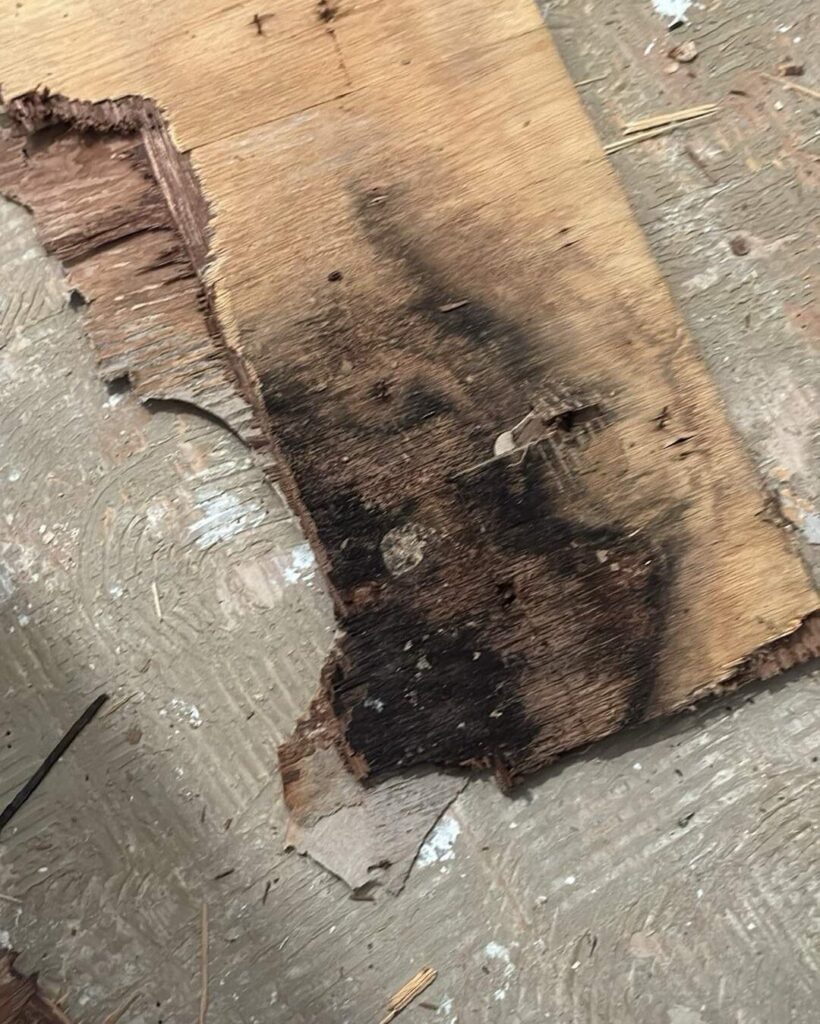
Why coastal floodwater needs a different cleanup approach
The source of the water affects how it should be handled. Water that comes in from outdoors can contain sediment, sewage, or other contaminants. Coastal water may also contain salt, which can affect metal components and some building materials.
The Centers for Disease Control and Prevention advises people to stay out of floodwater because it can contain substances that cause illness or injury. That is why water from coastal flooding should not automatically be treated like a clean supply-line leak.
Some absorbent materials may need to be removed rather than simply dried, depending on their condition and the type of water involved.
What to do when coastal water leaves damp floors
Start with safety. Stay away from standing water near electrical outlets, panels, appliances, or exposed wiring. Don’t operate switches or equipment while standing in water.
When the space is safe to approach, take pictures of the affected flooring and belongings. Record when the moisture appeared, whether the tide was unusually high, and whether drains or a sump pump were working normally. Those details can help identify the source and support a conversation with your insurer about possible coverage.
The U.S. Environmental Protection Agency recommends drying wet materials promptly and correcting the moisture problem to reduce mold risk. If outside water may be contaminated or has reached concealed materials, get the affected area evaluated before starting ordinary household cleanup.
How water damage restoration finds moisture you can’t see
Water damage restoration starts with identifying the water source and determining how far moisture traveled. A restoration team may use moisture meters to assess walls, flooring, and other materials that appear dry on the surface.
Depending on the findings, the work may include water extraction, removal of materials that can’t be safely restored, cleaning, controlled drying, and moisture monitoring. The goal is to address the affected materials, not just the visible damp spot.
If a sump pump failure, clogged drain, or leaking water line contributed to the problem, you’ll also need a plumber in Greenwich to fix that separate issue. Valerio Emergency Plumbing can investigate it while the restoration team handles the water-damaged areas.
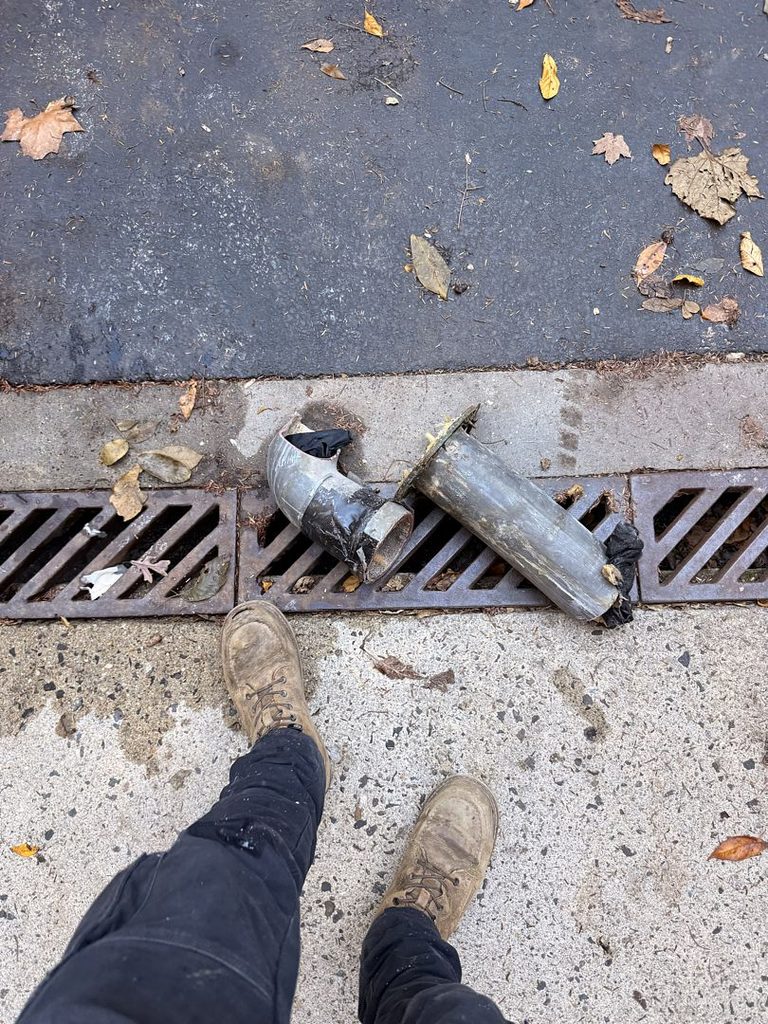
How to prepare for elevated November tides
Before holiday travel or another coastal weather event, check that basement drains are clear, confirm any sump pump is operating, and move stored belongings off floors in spaces that have taken on water before.
Review coastal flood advisories and pay attention to moisture that returns when coastal water levels rise. If the same area gets wet more than once, identifying the entry point matters more than simply drying the surface again.
When PuroClean can help with coastal water damage
A flooded home does not need several feet of standing water to have a restoration problem. Moisture trapped beneath finished flooring or behind walls may need more than a mop and an open window.
PuroClean of Greenwich | Stamford helps homeowners in Riverside and Greenwich with water damage restoration, including moisture assessment, extraction, drying, and cleanup of affected materials.
If elevated coastal water has left unexplained dampness in your home, call PuroClean of Greenwich | Stamford at (203) 399-0001 to discuss an assessment and the next steps.