 PuroClean of Strafford County
 After responding to hundreds of winter water damage emergencies across Strafford, Belknap, Carroll, Merrimack, and Rockingham Counties and Southern Maine, we’ve noticed a pattern that could change how you think about preventing burst pipes in winter. Most homeowners focus on exterior walls and crawl spaces, but the real danger? Baseboard and radiant heating systems in rooms without consistent temperature monitoring.
If you live in an older New Hampshire or Southern Maine home with baseboard heating, understanding these vulnerabilities is essential for preventing burst pipes in winter and avoiding thousands in water damage repairs.
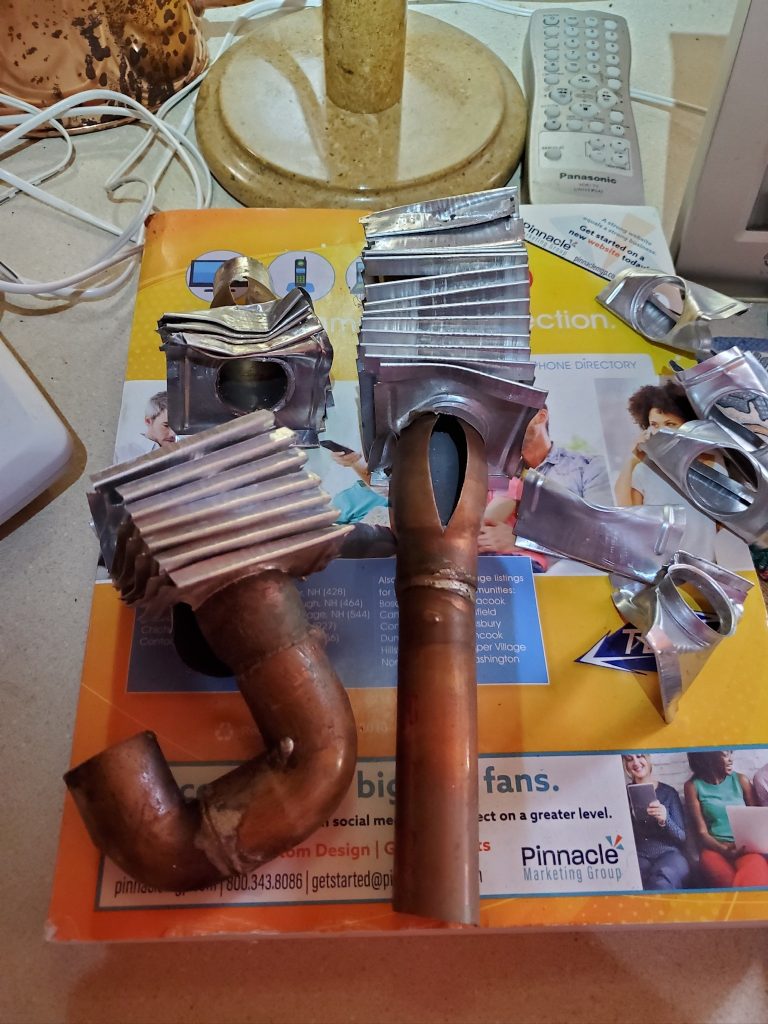
The Hidden Heating System Problem
Here’s what we’ve learned from our job folders: preventing burst pipes in winter isn’t just about protecting exterior pipes. The majority of our emergency calls involve baseboard and radiant heating systems, especially in:
Guest bedrooms with closed doors – When you close off a spare room to save on heating, you’re creating the perfect conditions for frozen pipes. We’ve responded to countless calls where a closed guest room door led to burst heating pipes and flooded floors.
Finished basements – Many older homes have separate heating zones for finished basements. If the thermostat is set too low or the system isn’t running consistently, those pipes are vulnerable. Basement water damage often goes unnoticed for hours or even days, leading to more extensive repairs.
Sunrooms and additions – These spaces often have their own heating loops added after the original construction. They’re typically the coldest areas of the home, yet homeowners don’t always monitor their temperatures as closely as main living spaces.
Vacation homes and seasonal properties – Properties left unattended or with thermostats set too low are prime candidates for frozen heating system pipes. By the time owners return or neighbors notice, significant damage has already occurred.
If you are in need of a water damage inspection to determine what your next steps should be, give us a call or contact us here.
Why Baseboard and Radiant Systems Create Winter Pipe Burst Risks
Unlike your main water supply pipes, heating system pipes continuously hold water that’s meant to stay hot. When temperatures drop and these systems aren’t running properly, that water freezes quickly. Preventing burst pipes in winter means understanding these heating system vulnerabilities.
The problem compounds in older homes common throughout New Hampshire and Southern Maine. These heating systems may have:
- Pipes running through exterior walls
- Inadequate insulation around heating loops
- Thermostats that don’t accurately reflect room temperatures
- Zones that homeowners turn off to save money
When water freezes in these systems, the pressure buildup can cause catastrophic pipe bursts. The damage isn’t just a small leak—it’s often gallons of water flooding into walls, floors, and finished spaces.
Warning Signs Your Heating System Pipes May Freeze
Preventing burst pipes in winter starts with recognizing these warning signs during cold snaps:
Rooms that feel colder than usual – If a room with baseboard heat isn’t warming up properly, the water in those pipes may already be freezing.
Strange noises from heating systems – Banging, clanking, or gurgling sounds can indicate frozen or partially frozen pipes in your heating system.
Visible frost on baseboard covers – This is an obvious sign that pipes inside are freezing.
Reduced heat output – If your baseboard heaters aren’t getting as warm as they should, water flow may be restricted by ice formation.
Thermostats that can’t reach set temperature – When a zone can’t maintain its temperature setting during cold weather, frozen pipes may be the culprit.
Proven Strategies for Preventing Burst Pipes in Winter
Based on our extensive restoration experience, here’s what actually works for preventing burst pipes in winter heating systems:
Keep all rooms at minimum 65°F – This is especially critical for rooms with baseboard or radiant heating. Don’t close off rooms or turn down thermostats too low, even in spaces you’re not using.
Open interior doors – Allowing warm air to circulate throughout your home helps maintain consistent temperatures in all rooms, including those with vulnerable heating systems.
Monitor rooms without constant occupancy – Check guest rooms, finished basements, and additions regularly during cold weather. Consider adding a secondary thermometer to track actual temperatures.
Insulate heating pipes in vulnerable areas – If you have baseboard pipes running along exterior walls, adding insulation can provide extra protection during extreme cold.
Don’t turn off heating zones – Even if you’re trying to save on energy costs, completely shutting off zones with baseboard heating creates serious freeze risk. Keep them at reduced but safe temperatures instead.
Maintain your heating system – Regular maintenance ensures your system is running efficiently and can identify potential freeze points before winter hits.
For vacation homes: Consider a monitoring system – Smart thermostats or temperature monitoring systems can alert you to dangerous temperature drops before pipes freeze.
What to Do If You Suspect Frozen Heating Pipes
If your prevention efforts show warning signs of frozen pipes in your heating system:
- Don’t turn up the heat dramatically – Rapid temperature changes can cause already-stressed pipes to burst
- Call a professional immediately – Heating system pipes require specialized knowledge to thaw safely
- Know where your water shutoff is – In case pipes do burst, you’ll need to act fast
- Have our emergency number ready – When heating system pipes burst, every minute counts
The Real Cost of Winter Pipe Failures
Burst pipes from heating systems often cause more damage than exterior pipe freezes because:
- They’re inside finished spaces (walls, floors, ceilings)
- The water is hot, which can cause additional material damage
- They often go unnoticed longer in unused rooms
- Repairs require both plumbing and heating system expertise
Insurance claims for heating system pipe bursts regularly exceed $10,000, with some reaching $50,000 or more when extensive reconstruction is needed. Preventing burst pipes in winter is far more cost-effective than dealing with the aftermath.

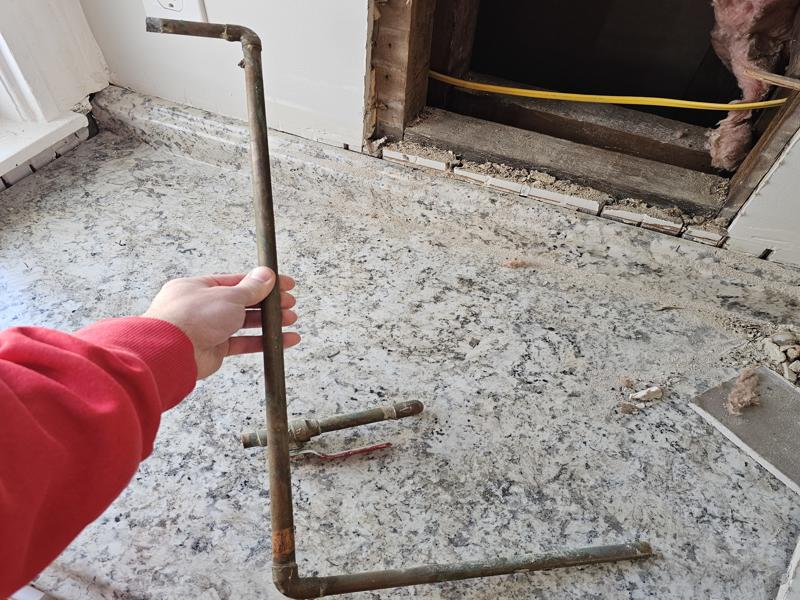
Why Older New Hampshire and Maine Homes Need Extra Attention
The older homes throughout Strafford, Belknap, Carroll, Merrimack, and Rockingham Counties and Southern Maine are particularly susceptible to heating system pipe failures. Many were built when energy efficiency standards were different, and heating systems may not have been designed with modern cold weather protection in mind.
If your home was built before 1990 and has baseboard or radiant heating, preventing burst pipes in winter should be a top priority each season.
When Winter Water Damage Actually Appears: The Spring Thaw Threat
Here’s something most homeowners don’t realize: the worst water damage from winter often doesn’t show up until the thaw begins. A small pipe leak or crack that occurred during a January cold snap may remain frozen and hidden for weeks. When temperatures rise in late winter or early spring, that’s when the real problems emerge.
As frozen water in walls, ceilings, and heating systems begins to thaw, homeowners suddenly discover water stains, sagging ceilings, warped floors, and saturated insulation. By this point, water has been trapped in building materials for weeks or even months.
The Mold Risk Timeline
The spring thaw creates perfect conditions for mold growth. Once water begins flowing from thawed pipes or melting ice, mold can begin developing within 24 to 48 hours. Hidden water damage inside walls is particularly dangerous because:
- You can’t see the moisture accumulating
- Air doesn’t circulate to dry materials
- Warmer spring temperatures accelerate mold growth
- By the time you notice musty odors or visible mold, colonies are already established
This is especially problematic with baseboard heating system leaks because the water often travels along wall cavities and floor joists before appearing in visible areas. A small leak in a guest room’s baseboard system might not show up until water stains appear in the room below weeks later.
Ice Dams Add to the Problem
Winter water damage isn’t limited to frozen pipes. Ice dams on your roof create another pathway for water intrusion during the thaw. When ice dams melt, water backs up under shingles and seeps into attics and walls, creating the same mold risks as burst pipe damage.
Many New Hampshire and Southern Maine homes experience both burst pipe damage and ice dam problems in the same winter season. The combination can lead to extensive water damage and mold remediation needs once spring arrives.
Why Professional Assessment Matters
If you suspect any winter water damage, even minor pipe leaks or small ice dam drips, don’t wait until the thaw to address it. Professional water damage assessment can:
- Identify hidden moisture in walls and ceilings using thermal imaging
- Detect early mold growth before it becomes a major problem
- Properly dry and remediate affected areas
- Prevent small winter leaks from becoming expensive spring disasters
The homes we’re called to in April and May for major mold problems often had minor freeze damage that went unaddressed in January or February.
Frequently Asked Questions About Preventing Burst Pipes in Winter
What temperature should I keep my home to prevent frozen pipes?
Keep your home at a minimum of 65°F in all rooms with plumbing, especially those with baseboard or radiant heating systems. Never lower the temperature below 55°F, even in unused rooms or when away from home. Maintaining consistent temperatures day and night is more effective than fluctuating settings, as temperature drops create ideal conditions for pipes to freeze.
Why do baseboard heating pipes burst more often than other pipes?
Baseboard heating pipes are more vulnerable because they continuously hold water that’s meant to stay hot. When these systems aren’t running consistently or rooms are closed off, the water freezes quickly. Unlike exterior pipes that homeowners monitor closely, baseboard systems in guest rooms and finished basements often go unchecked, making them the most common source of winter burst pipe damage we see in New Hampshire homes.
How long does it take for pipes to freeze in winter weather?
Pipes can begin freezing within 6 hours when temperatures drop to 20°F or below, but the timeline varies based on insulation, water flow, and location. Baseboard heating pipes in unmonitored rooms can freeze even faster because they’re designed to hold still water. The real danger often appears during the thaw when frozen damage becomes visible as water damage.
Can I prevent burst pipes in a vacation home during winter?
Yes, but it requires specific precautions. Keep your heating system set to at least 65°F throughout the entire property, including basements and additions. Never turn off heating zones to save money. Consider installing a smart thermostat with temperature monitoring alerts, and have a neighbor check the property weekly during cold snaps. For extended absences, consult a professional about partially draining the system while maintaining heat.
What should I do immediately if a heating system pipe bursts?
Turn off the water at your main shutoff valve immediately to stop flooding. If safe, also shut off power to affected areas to prevent electrical hazards. Do not attempt to rapidly heat frozen pipes as this can cause additional bursts. Contact a water damage restoration specialist within the first hour—every minute counts in preventing mold growth and minimizing structural damage from hot water heating system failures.
Does homeowners insurance cover burst pipe water damage?
Most homeowners insurance policies cover sudden and accidental water damage from burst pipes, including damage to walls, floors, and belongings. However, coverage may be denied if the insurance company determines the pipes froze due to negligence, such as turning off heat in winter or failing to maintain the property. Always document your prevention efforts and respond to frozen pipes immediately to protect your coverage.
How quickly can mold grow after winter water damage?
Mold can begin growing within 24 to 48 hours after water exposure. This is especially problematic with winter pipe damage because water often remains hidden in walls and ceilings for days or weeks while frozen. When the spring thaw occurs, that trapped moisture creates perfect conditions for rapid mold growth. Professional assessment with thermal imaging can detect hidden moisture before mold colonies establish.
What are the warning signs of frozen baseboard heating pipes?
Watch for rooms that won’t warm up despite the thermostat setting, strange banging or gurgling noises from heating systems, visible frost on baseboard covers, reduced heat output from specific zones, and thermostats that can’t reach their set temperature. If you notice cold spots in rooms with baseboard heat during a cold snap, check those systems immediately—pipes may already be freezing.
24/7 Emergency Water Damage Restoration in Strafford County, NH and Southern Maine
PuroClean of Strafford County responds immediately to burst pipe emergencies, including those from baseboard and radiant heating systems. Our team understands the unique challenges of water damage in older New England homes and works quickly to minimize damage and begin restoration.
We’re available 24/7 throughout Strafford, Belknap, Carroll, Merrimack, and Rockingham Counties and Southern Maine.
Don’t wait until pipes burst. Call PuroClean of Strafford County at (603) 664-3727 for emergency water damage restoration or to schedule a winter home vulnerability assessment.


 PuroClean of Strafford County