 PuroClean of Strafford County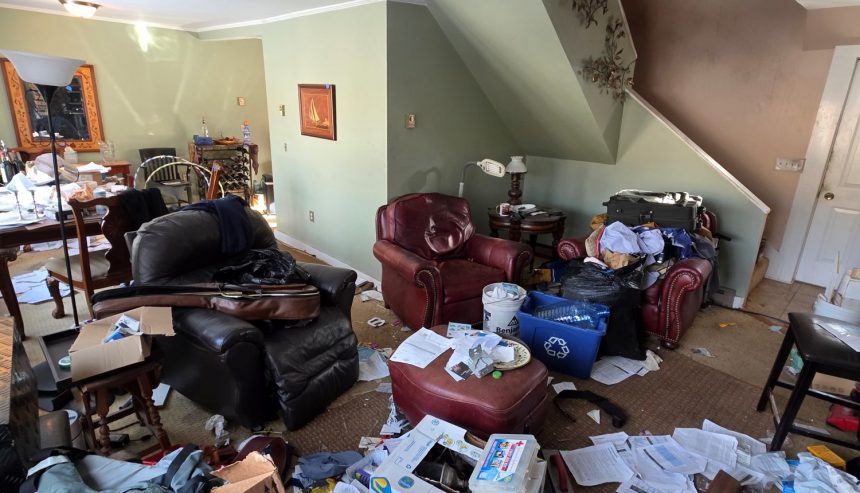
Is it a cleaning job—or a health hazard? New Hampshire landlords and property managers need to know the difference when dealing with abandoned property damage cleanup.
Not every move-out is the same. Most tenant turnovers need standard cleaning. But when a rental unit is left with spoiled food, human waste, contamination, or unsafe conditions, you’re looking at biohazard-level cleanup—not a routine turnover.
What NH Property Managers Need to Know About Abandoned Property Damage Cleanup
A recent abandoned rental property in New Hampshire shows exactly what professional cleanup involves when things go wrong:
- Spoiled contents left behind
- Kitchen and bathroom contamination
- Surfaces unsafe without PPE
- Conditions that require specialized remediation—not just elbow grease
This isn’t a job for your maintenance crew.
The video below walks through a real biohazard turnover situation—showing NH landlords what professional abandoned property damage cleanup actually looks like and why calling the right team saves time, money, and liability.
Protect your property. Protect your team. Get units rent-ready faster.
A Real-World Walkthrough: When a Unit Can’t Be Handled Internally
During a recent cleanup, our team was called in after a tenant vacated a rental unit in poor condition.
What we found:
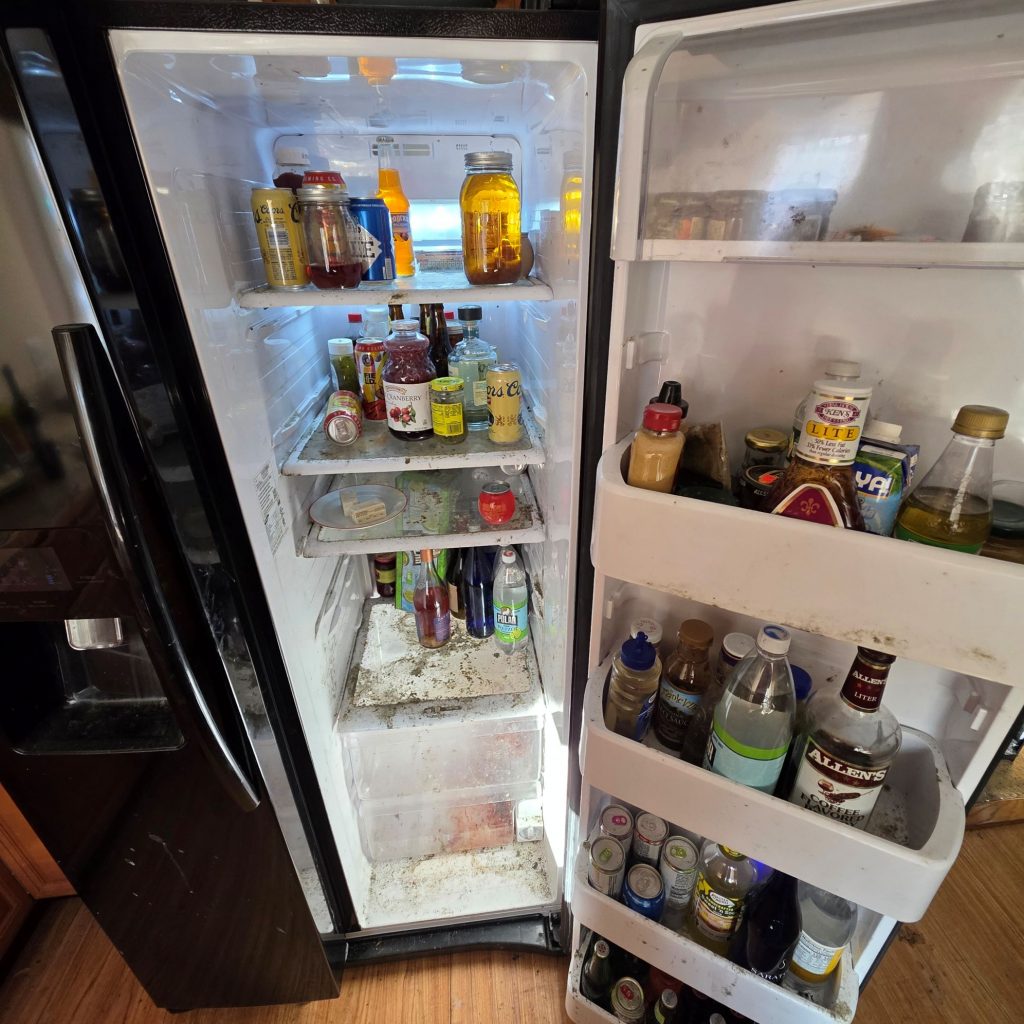
- Kitchen:
A refrigerator containing spoiled food and strong odor — an immediate contamination concern. - Bathrooms:
Heavy buildup in sinks and tubs that had not been cleaned in an extended period, requiring PPE and controlled sanitation. - Living Areas & Bedrooms:
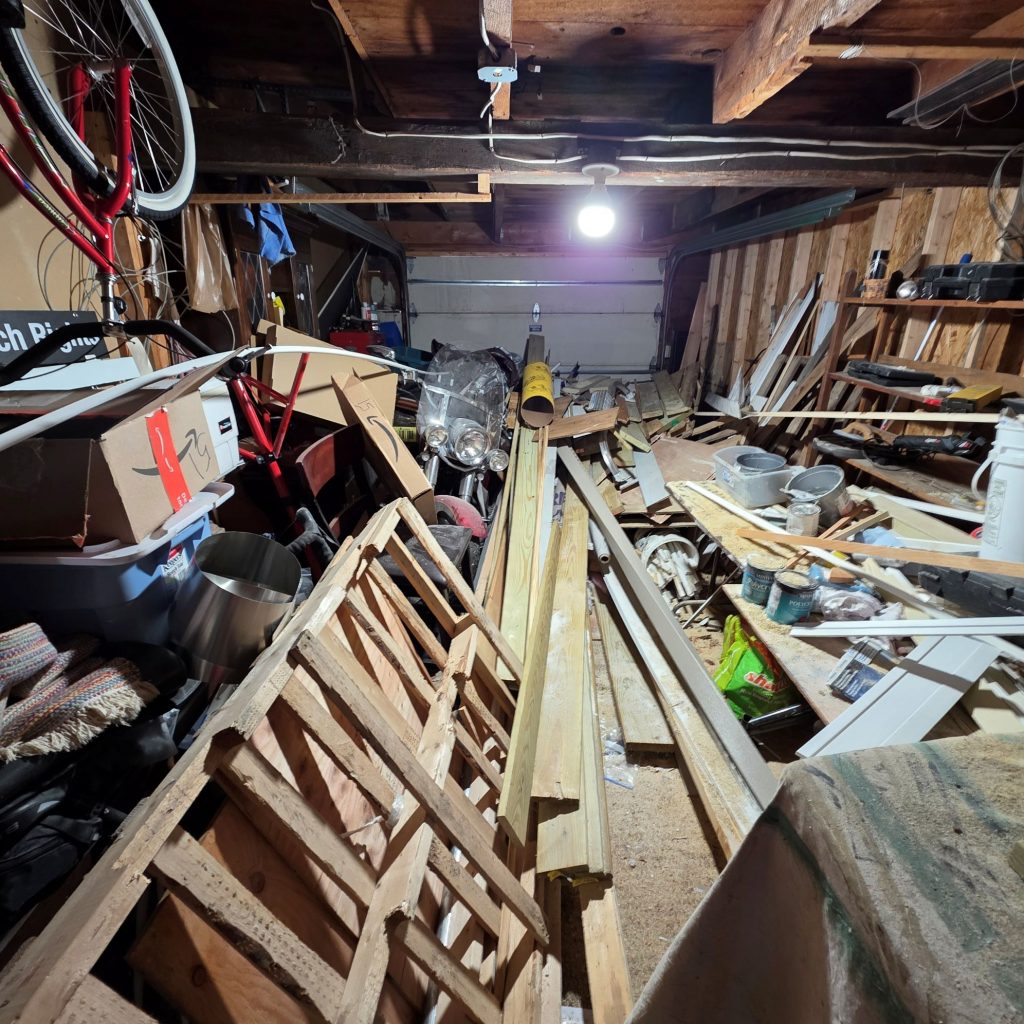
Excess contents, surface contamination, and materials that could not be safely handled without protective equipment.
This was not hoarding — but it was a biohazard-adjacent property damage cleanup, requiring trained technicians, proper disposal, and documentation.
Why Property Damage Cleanup Matters for Landlords & Managers
Odors are rarely “just smells”
Persistent odors often signal bacteria, organic waste, or long-term neglect — not something standard cleaners are equipped to address.
If staff won’t touch it, that’s your signal
When maintenance teams or cleaners feel unsafe, liability risk increases.
Rushing turnover creates exposure
Re-renting a unit without proper sanitation can lead to:
- Failed inspections
- Tenant complaints
- Health concerns
- Extended vacancy due to rework
Professional cleanup protects your asset, your timeline, and your compliance obligations.
If / Then: Knowing When to Call a Professional Cleanup Team
If spoiled food, bodily waste, or heavy odor is present
Then PPE-level cleanup is likely required
If a unit feels unsafe to enter or clean
Then it should not be handled internally
If you need the unit rent-ready quickly
Then professional remediation prevents costly delays
New Hampshire Housing Context: Why This Is a Growing Issue
New Hampshire is often viewed as a homeowner state, but several cities exceed the state’s renter average.
- Manchester: ~50% renter-occupied
- Dover: Nearly a 50/50 renter-owner split
- Concord: ~43% renter-occupied
Higher renter density typically means:
- More frequent turnovers
- Older housing stock
- Greater likelihood of sanitation, moisture, or contamination issues
For landlords and property managers, cleanup is not an exception — it’s an operational reality.
NH Habitability, Mold & Tenant Rights (What Owners Need to Know)
Under New Hampshire law, landlords must provide safe, sanitary, and habitable housing.
Key considerations:
- Mold itself may not be a standalone state code violation
- Conditions that cause mold (leaks, moisture, poor ventilation) are a landlord responsibility
- Health and safety repairs must be addressed within a reasonable timeframe once notified
- Retaliation against tenants who report unsafe conditions is prohibited
Professional cleanup and remediation with documentation helps protect owners and managers when disputes arise.
In New Hampshire, landlords are legally required to provide safe, sanitary, and habitable housing. While mold itself is not always classified as a standalone code violation, conditions that contribute to mold — such as unresolved leaks, moisture intrusion, or ventilation issues — fall under landlord responsibility. Property managers can reference New Hampshire tenant habitability standards published by New Hampshire Legal Aid to better understand repair obligations, reasonable response timeframes, and tenant protections related to health and safety concerns.
Here are NH resources: Know Your Rights
City-Specific Property Damage Considerations
Manchester, NH
With renters making up more than half of occupied housing, Manchester sees frequent unit turnover. Multi-unit buildings and older properties increase the likelihood of sanitation, odor, and contamination issues requiring professional cleanup.
Dover, NH
Dover’s near-even renter/owner split creates steady rental movement. Odor issues, moisture, and abandoned contents are common findings during turnovers — especially in older units.
Concord, NH
While more owner-occupied than other cities, Concord still has a significant rental population. Long-term rentals often accumulate hidden damage that surfaces at move-out.
Nashua, NH
A high-volume rental market with strong multifamily demand. Fast turnarounds and compliance expectations make professional cleanup a necessity when conditions exceed standard cleaning.
Durham, NH
University-driven rentals experience intense turnover cycles. Food waste, odor issues, and content removal are common between academic terms.
Portsmouth, NH
High-value rentals and mixed occupancy types mean cleanup must protect both habitability and property value.
Rochester, Keene, Derry & Hudson
Affordable rentals, older housing stock, and commuter demand increase the likelihood of deeper cleanup needs at turnover.
PuroClean Services That Support Landlords & Property Managers
Property damage comes in many forms. PuroClean provides specialized cleanup and remediation services designed for rental properties, including:
🧹 Property Damage & Specialty Cleanup
- Tenant move-out damage cleanup
- Abandoned unit cleanouts
- Odor removal and sanitation
- PPE-required cleanups
🦠 Biohazard & Trauma Cleanup
- Biohazard cleanup (bodily fluids, contamination)
- Trauma and after-death cleanup
- Decomposition and unattended death cleanup
- Discreet, regulation-compliant service
📦 Hoarding & Content Removal
- Hoarding-related cleanups
- Safe content removal and disposal
- Sanitation and odor treatment
💧 Water & Mold Issues
- Water damage cleanup and drying
- Leak-related damage
- Mold remediation tied to moisture issues
- Attic, basement, and crawlspace mold support
🚬 Nicotine & Cigarette Damage (A Major One)
- Nicotine staining on walls, ceilings, and surfaces
- Heavy cigarette odor removal
- HVAC and surface deodorization
- Restoration support for smoke-affected units
Nicotine damage is one of the most common — and underestimated — issues in rental properties, often requiring professional intervention to fully remediate.
Why Property Managers Choose Professional Cleanup
Professional cleanup isn’t about judgment — it’s about risk management and efficiency.
It helps:
- Reduce vacancy time
- Meet habitability standards
- Protect against disputes
- Preserve property value
- Keep operations moving
For Landlords & Property Managers in NH and Southern Maine
If a unit cannot be safely handled by standard cleaning crews, professional property damage cleanup is the fastest path forward.
If your property is within our service area, directions are available to reach our team quickly and arrange an evaluation.
The Takeaway
Property damage isn’t always structural.
Sometimes, the damage is what’s left behind.
Addressing it early protects your property, your tenants, and your bottom line.

 PuroClean of Strafford County