 PuroClean of Strafford County
 Key Takeaways
- High humidity after water damage fuels mold within 24–72 hours
- Concrete and contents hold moisture longer than the air around them
- “Burping” a basement combines dehumidification + controlled outside air exchange
- Real improvements can happen quickly when physics and airflow work together
- Not every situation is safe for DIY humidity control (we’ll show when to call)
If you’ve ever heard someone say they need to “burp” a basement, it might sound strange but it’s one of the most effective techniques for rapidly driving moisture out after water damage. The concept is straightforward: you create a controlled path for trapped humid air to escape while simultaneously pulling in drier outside air and running high-capacity dehumidification equipment. Done right, it can drop humidity by significant levels in a matter of minutes.
Humid basements are not just an inconvenience. In the wrong conditions, they become incubators for mold, musty odors, and long-term structural decay.
In New Hampshire and Southern Maine, we see this constantly. High groundwater tables, coastal moisture, storm events, and four-season climate swings make basements behave like subterranean lungs: they inhale moisture and struggle to exhale.
When water enters a basement, the clock starts ticking. Humidity rises. Surfaces stay wet longer. Mold spores look for an opportunity to bloom and they only need 24 to 72 hours to get started.
The fastest path to stability? Understanding the science of air equilibrium and how to burp a basement the right way.
What Does “Burping” a Basement Mean?
The idea is simple:
You encourage trapped moisture to leave by creating a controlled path for air exchange, while actively lowering humidity with equipment.
Think of it like cracking a window in a steamy bathroom and then running a powerful exhaust system at the same time.
In our demonstration, we dropped humidity by roughly 10 percentage points in about 10 minutes by:
- Running a high-capacity dehumidifier
- Opening a specific exterior access point
- Allowing cooler, drier outside air to enter briefly
- Letting warm moisture-laden air exit
It’s not magic.
It’s physics equalization and airflow done intentionally.
Why This Works
Moisture doesn’t just sit in the air. It hides inside:
- Concrete
- Wood framing
- Cardboard boxes
- Carpeting and padding
- Stored belongings
- Air pockets behind walls
Dry air alone won’t fix that.
You need air movement + moisture extraction.
The combination of a dehumidifier and brief, targeted ventilation lets:
- Moisture move to the surface
- Dry air replace saturated air
- RH (relative humidity) drop steadily
This method accelerates what nature tries to do… but often can’t in a closed basement.
Step-by-Step: How to Burp a Basement Safely
Important: This method is useful for mild water events or lingering humidity after drying has begun. For standing water or sewage, skip down to the “When NOT to DIY” section.
✅ Step 1: Measure first
Use a hygrometer to verify baseline humidity.
Ideal post-flood target: Below 55% RH, heading toward 40–50%.
✅ Step 2: Power up a dehumidifier
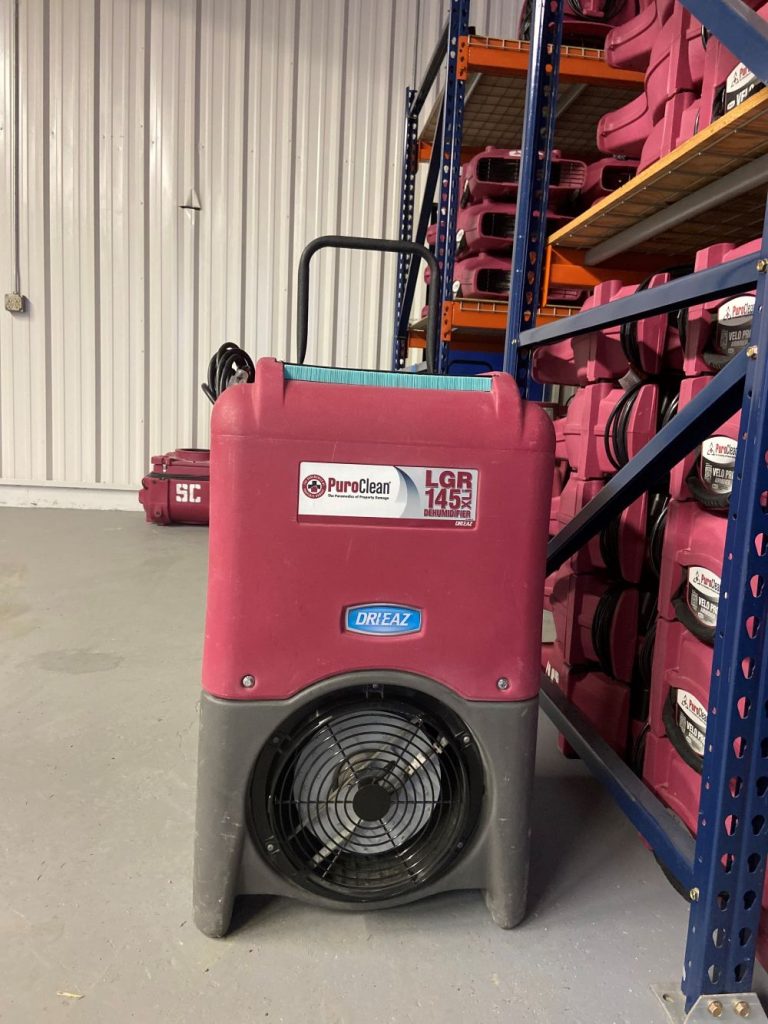
A standard household dehumidifier won’t cut it after a water event. You’ll want a large-capacity or commercial-grade unit capable of handling the volume of moisture trapped in concrete, framing, and contents.
If you don’t own one, many equipment rental companies carry restoration-grade dehumidifiers but if you have an insurance claim, you should work with PuroClean of Strafford County or a professional mitigation company.
✅ Step 3: Create a controlled air pathway
Open one access point to outside air. Good options include:
- A bulkhead door
- A basement window
- An exterior walkout door
The keyword here is one. Never open all windows or doors at once; you want intentional, directed airflow, not chaotic air movement that introduces more moisture than it removes. The Building Science Corporation notes that uncontrolled air infiltration in basements is one of the leading drivers of moisture problems in the first place.
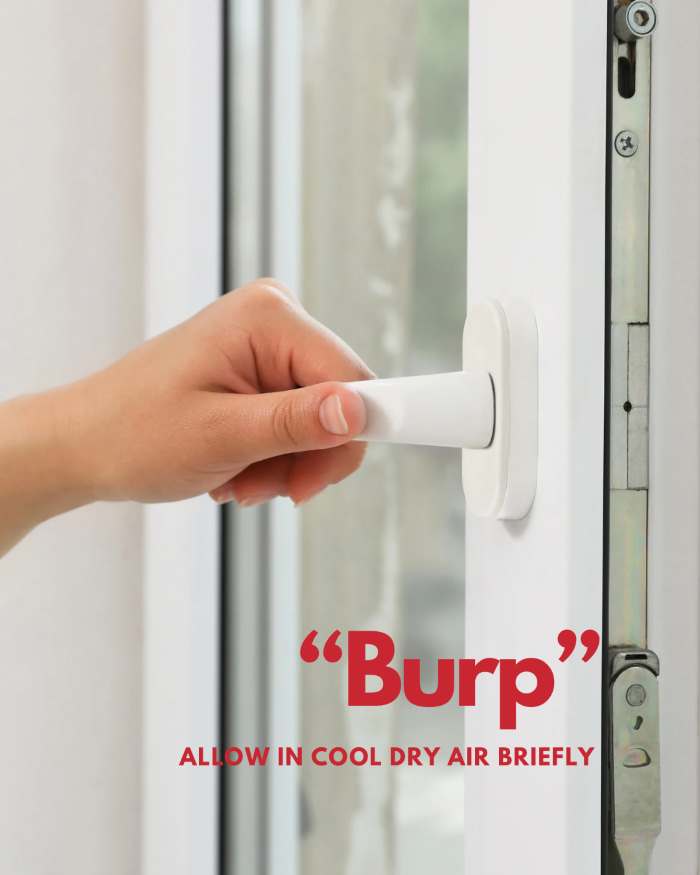
✅ Step 4: Vent intermittently
Allow cool, dry outside air to push in through your chosen pathway while warm, humid air vents out. This is the core of what burping a basement is all about you’re essentially giving the space a controlled exhale, releasing trapped moisture that mechanical equipment alone can’t always reach quickly. Start with 5–10 minute intervals, then re-measure with your hygrometer.
One important caveat: burping a basement works best when outside air is drier than inside air. On humid summer days in New Hampshire or Southern Maine, outside air may actually be wetter which would make this step counterproductive. Always compare readings inside versus outside before opening any access point.
✅ Step 5: Re-seal and continue mechanical drying
Once humidity drops, close the pathway and let equipment maintain control.
✅ Step 6: Repeat as needed
Basements dry in stages. Moisture migrates from deep within concrete, insulation, and wood framing slowly and unevenly. If humidity plateaus between sessions, burping a basement again with another controlled venting cycle helps release the next wave of trapped moisture that has worked its way to the surface.
Track your readings over time. If you’re not seeing consistent improvement after 48–72 hours, that’s a signal that the moisture source may be ongoing or that the drying plan needs professional reassessment. Learn more about our water remediation services.
When NOT to DIY Basement Ventilation
Skip “burping” a basement and call a certified team if you see:
| Risk factor | Why it matters |
|---|---|
| Standing water | Needs controlled extraction & drying plan |
| Sewage or gray water | Biohazard risk |
| Wet drywall or insulation | Likely hidden moisture |
| Musty odor already | Mold may have started |
| Temp outside is hotter & more humid | You’ll add moisture, not remove it |
Also avoid this method if:
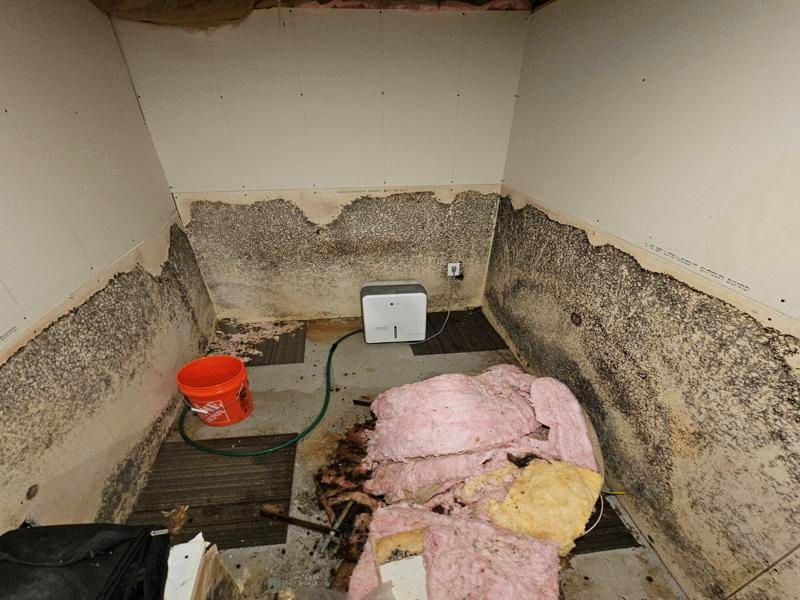
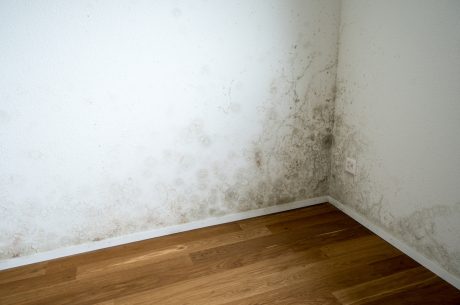
- There’s visible mold growth
- The basement has strong odors or discoloration
- The structure is older and moisture-sensitive
Rule: if you aren’t sure, test before ventilating.
Why New England Basements Need Faster Action
Our region faces unique moisture challenges:
- High soil moisture content
- Coastal air influence
- Freeze-thaw cycles
- Foundation seepage risk
- Older basement construction styles
Concrete here acts like a slow-releasing sponge.
Even when air feels dry, surfaces can hold moisture for days or weeks.
That’s why rapid humidity reduction matters:
We’re not just drying air we’re preventing long-term issues.
Record of Success in Complex Restorations
We’ve successfully restored properties others deemed “total losses.” Our portfolio includes some of the most challenging mold, water and fire restoration projects in New Hampshire and Southern Maine demonstrating our ability to handle complexity that overwhelms other restoration providers.
Don’t just take our word for it – our growing list of five-star reviews and testimonials from Rochester homeowners and businesses tells the real story of PuroClean’s commitment to excellence in fire damage restoration.
Professional Tools That Make a Difference
Home dehumidifiers are helpful, but professional drying may include:
- High-capacity LGR dehumidifiers
- HEPA air scrubbers
- Heat drying systems
- Moisture meters and infrared scanning
- Negative air machines for directed airflow
You don’t always need all of that but when you do, speed saves structure and cost.
Common Basement Drying Myths
| Myth | Reality |
|---|---|
| “Just open all the windows” | Can add more moisture and slow drying |
| “Fans alone will dry it” | Fans move moisture but don’t remove it |
| “The air feels dry, so it’s fine” | Concrete and contents may still be saturated |
| “I don’t see mold, so I’m good” | Mold grows microscopically first |
Mold vs Mildew?
Mold and mildew are types of fungi that share common features but also differ in many ways. While both fungi grow in damp and humid areas, they can affect your health and home differently. Knowing the differences between mold and mildew can help you know how to approach the problem. Read on to learn what separates mold from mildew:
Where They Grow
Both mold and mildew can grow in damp areas in homes and outdoors. They need an organic food source, such as drywall, wood, plants or soil.
Mold can grow on any organic surface in a home. Given enough time, mold can cause materials to rot and destroy the structural components of a home. Mildew grows mostly on plants and can kill them if not removed in time. Mildew is also the name of the plant diseases caused by parasitic fungi.
Appearance
Mold is usually fuzzy or slimy, whereas mildew appears either powdery or downy. Downy mildew is yellow at first and turns to brownish yellow later on. Powdery mildew is white, and then turns yellow and black when it matures.
Mold appears as irregularly shaped spots that can have different colors – blue, green, yellow, brown, gray, black or white. Mildew usually grows in a flat pattern and appears as white, gray, or yellowish patches that turn black or brown over time.
When to Call a Professional
Contact a certified restoration team if:
- Water sat for more than a few hours
- Odors or discoloration appear
- Your humidity won’t drop below 55%
- You’re unsure whether walls or framing are still wet
When Burping a Basement Isn’t Enough
Sometimes humidity control is a job for more than a hygrometer and a bulkhead door. If moisture levels aren’t dropping, if mold is already visible, or if the water event was significant, the window for DIY intervention has likely passed. The longer saturated materials sit, the deeper moisture penetrates and the more expensive recovery becomes.
The good news is that fast, professional intervention changes the outcome dramatically. Certified restoration teams bring commercial-grade drying equipment, thermal imaging, and moisture mapping tools that can identify hidden saturation that a homeowner simply can’t see. Acting within the first 24–48 hours after a water event is almost always the difference between a drying job and a full remediation.
Serving Southern New Hampshire & Southern Maine
We help homeowners recover quickly and safely from water events, including:
- Storm flooding
- Sump pump failures
- Pipe or appliance leaks
- Foundation water intrusion
- Seasonal humidity spikes
Serving New Hampshire and Southern Maine, PuroClean of Strafford County specializes in exactly this kind of situation — basements that need fast, effective moisture control before the damage compounds. Whether you’re in the middle of an active water event or dealing with humidity that just won’t budge, our team is certified, fast-responding, and works directly with your insurance company to make the process as smooth as possible. Certified, fast-response, insurance-friendly.
Need Help Fast?
✅ Emergency response
✅ Moisture assessment
✅ Drying & dehumidification
✅ Mold prevention
✅ Post-damage rebuild support
Don’t wait for humidity to become a mold problem, and don’t let a mold problem become a structural one. The earlier you call, the better the outcome (603) 664-3727.
 PuroClean of Strafford County