 PuroClean of Strafford County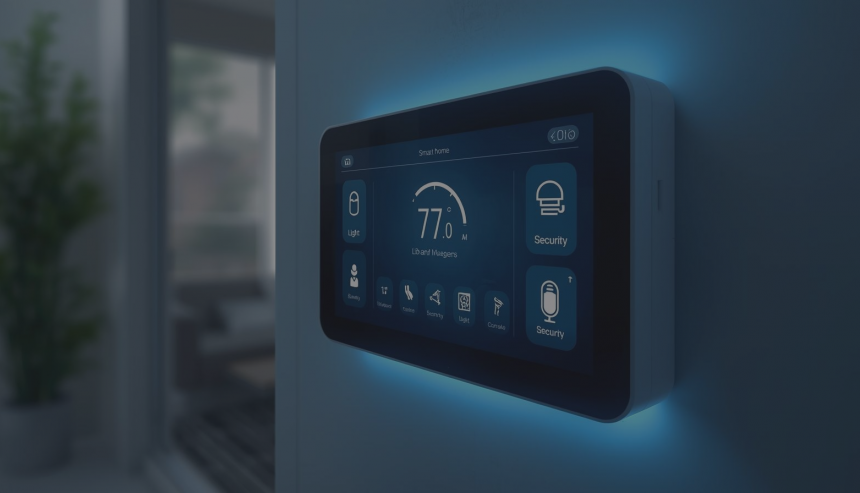
Key Takeaways
- Late August through September is peak humidity season in Southern NH and Southern ME, creating ideal conditions for mold growth in basements and attics.
- Rising electricity costs lead many homeowners to cut back on A/C, which can allow indoor moisture to build up.
- Affordable smart home tools—like leak sensors, sump pump monitors, and humidity alerts—can prevent costly water damage.
- A seasonal “back-to-school” home check-up helps protect your property before fall storms and cooler weather arrive.
Fall Home Maintenance: Prevent Basement Humidity, Attic Mold & Water Leaks
Late summer and early fall are critical times for basement humidity control, attic mold prevention, and leak detection in Southern New Hampshire and Maine. With cooler nights, humid days, and storm season ahead, homes face unique risks that can quickly turn into costly repairs. Fall home maintenance is one of the best ways to prevent basement humidity, attic mold, and seasonal water leaks before they become expensive repairs. By focusing on fall home maintenance and adding affordable smart tools like leak sensors and humidity monitors, homeowners can protect their property before serious water damage sets in.
Seasonal Risks
- Peak Humidity: Warm, moist days and cool nights create condensation on basement walls, windows, and pipes.
- Reduced A/C Use: To offset rising energy bills, many homeowners run air conditioners less, letting humidity climb indoors.
- Basements & Attics Go Unchecked: These low-traffic areas can hide early water intrusion or mold growth.
- Heavy Late-Summer Storms: Coastal surges and downpours test sump pumps and gutters.
- Fall Prep Needs: Roofs, gutters, and foundations must be ready before leaf season and freezing temps arrive.
Basement & Attic Humidity Prevention Checklist (August–September)
1. Maintain Your Dehumidifier
- Set to 50–55% relative humidity to deter mold.
- Clean filters monthly after a humid summer.
- Check hoses for clogs or leaks.
- If it runs constantly, consider upgrading to a larger-capacity unit for bigger basements.
2. Test Your Sump Pump
- Pour a bucket of water into the pit to confirm it activates.
- Remove debris or sediment.
- Replace backup batteries every 3 years—test them before the next storm.
3. Inspect Foundation & Window Wells
- Seal small cracks before they spread.
- Clear leaves, mulch, and debris from wells.
- Secure ventilated window well covers.
4. Protect Stored Items
- Keep bins 4–6 inches off the floor.
- Swap cardboard boxes for plastic totes with lids.
- Avoid stacking against walls where moisture accumulates.
5. Gutter & Exterior Prep

- Clean gutters before fall leaves pile up.
- Check brackets/downspouts for storm damage.
- Ensure water drains away from the foundation.
- Inspect roofs for missing shingles or weak spots.
Regular gutter cleaning and repair will keep your gutters in good shape and protect your home from leaks and water damage.
6. Address Wildlife Entry Points
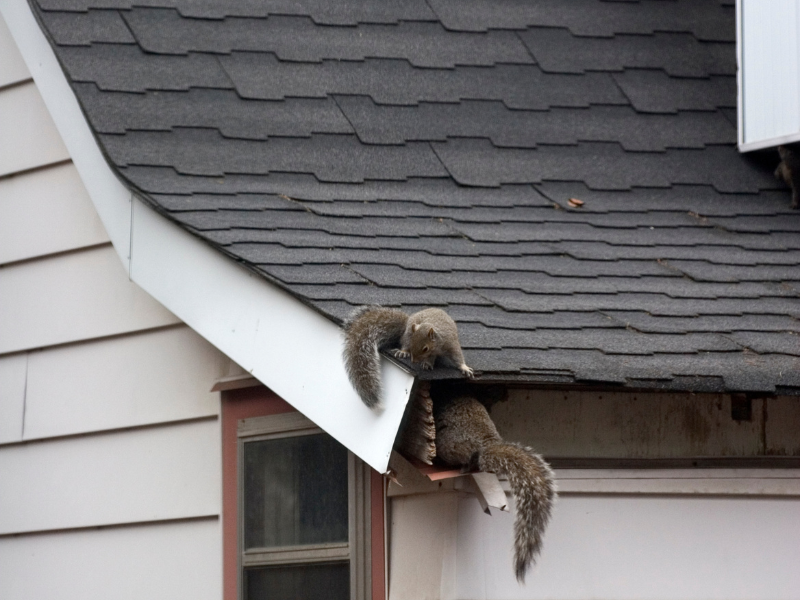
- Check attic and roof for chewed entry holes.
- Seal openings before rodents settle in for winter.
- Look for nests or droppings.
Smart Sensors & Leak Detection Tools for Fall Home Maintenance
Smart tech is no longer a luxury—it’s an affordable line of defense.
Leak Sensors
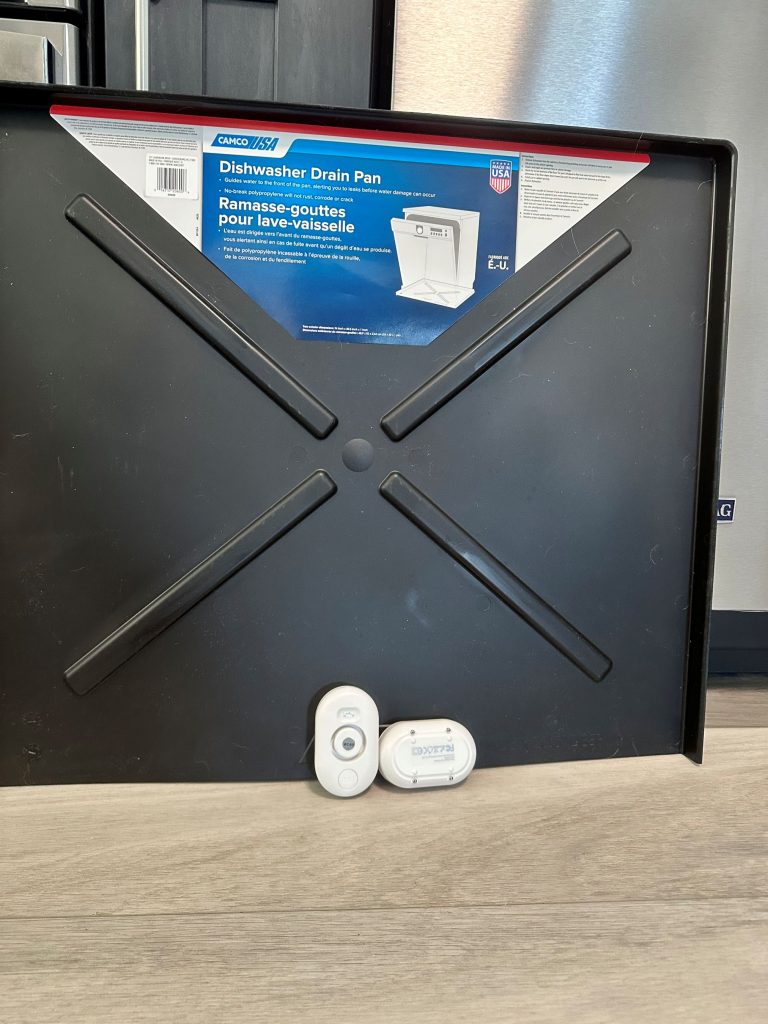
- Portable and battery-powered.
- Place under sinks, dishwashers, washing machines, and near sump pumps.
- Example: Wyze Leak Sensors (~$30 for 3-pack) send instant app alerts.
Smart Plugs for Dehumidifiers
- Track energy use and control remotely.
- Power your dehumidifier on before arriving home on humid days.
AI-Connected Indoor Cameras & Security Systems
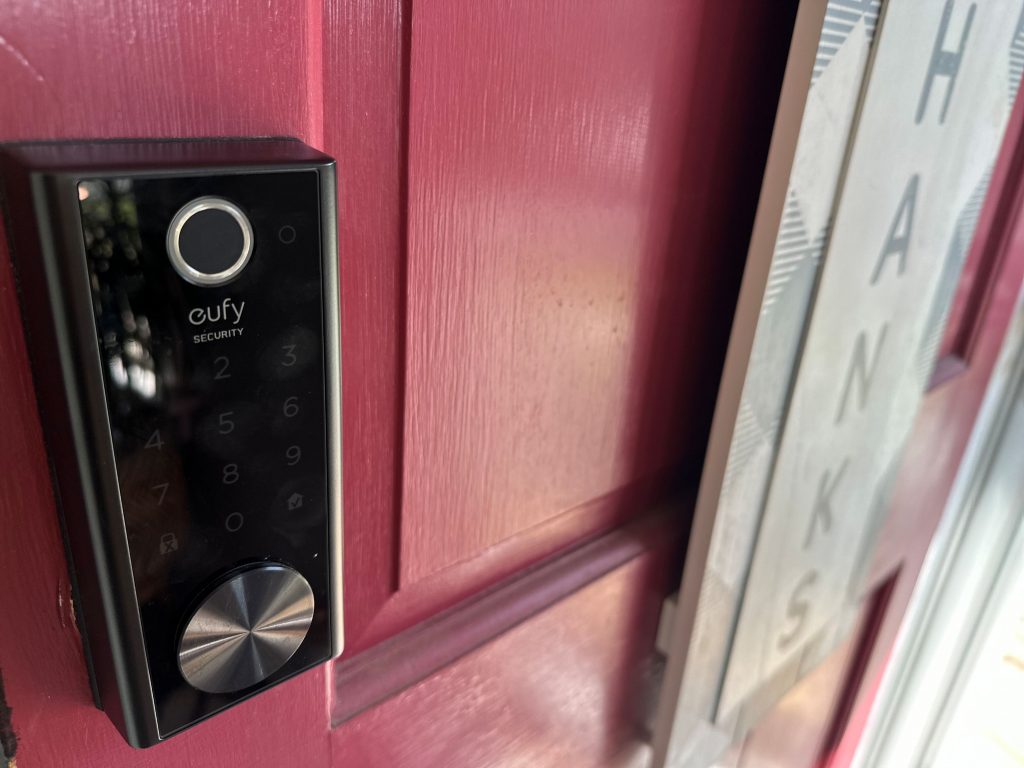
- Detect sump pump alarms or water alerts by sound.
- Send notifications when unusual noises are detected.
- Brands like Eufy Security, Google Nest, and Ring offer options.
SafeHome.org provides a list of 2025 Rankings: The Top Security Systems of the Year
Humidity & Temperature Monitors
- Wireless devices track indoor air.
- Example: Govee Wi-Fi Hygrometer (under $20) sends alerts when humidity passes a set threshold.
Why This Matters in New Hampshire
At PuroClean of Strafford County, late-summer water damage calls spike in:
- Seacoast towns: Dover, Portsmouth, Wells
- Lakes Region vacation homes: Moultonborough, Wolfeboro, Meredith
- Older properties: stone foundations, poor drainage
- Coastal homes: vulnerable to groundwater surges and storms
- Wildlife-affected properties: where entry points worsen in fall
Homes in Southern New Hampshire, Southern Maine, and the Lakes Region face some of the most challenging late-summer and fall conditions in New England.
- High Humidity: Average relative humidity in NH hovers around 72–74% in August and September. Combined with cooler nighttime temperatures, this creates perfect condensation conditions in attics and basements.
- Storms & Coastal Surges: Seacoast towns like Portsmouth, Dover, and Wells often experience intense rainfall and groundwater surges, pushing sump pumps and drainage systems to their limits.
- Older Foundations: Many homes in Wolfeboro, Rochester, and Meredith were built with stone or fieldstone foundations, which are more porous and prone to seepage.
- Seasonal Occupancy: Vacation homes in the Lakes Region often sit empty for days or weeks, giving mold a head start before owners notice.
- Wildlife Pressure: Cooler nights push rodents and squirrels to invade attics for warmth, often chewing openings that worsen water intrusion.
This combination means that local homeowners can’t afford to ignore basement humidity, attic mold, and hidden leaks as part of fall maintenance.
When to Call a Professional
Call in expert help if you notice:
- Standing water in your basement
- Musty odors despite running a dehumidifier
- Mold spreading on walls, ceilings, or stored items
- Water intrusion during heavy rain even with a sump pump
- Storm damage to roofs, gutters, or siding
- Moisture or musty smells in attics as October mold season begins
Mold can grow within 24–48 hours—delaying repairs always costs more in the long run.
How PuroClean of Strafford County Can Help
When you suspect something is wrong in your home, don’t wait until the issue becomes an emergency. At PuroClean of Strafford County, we make it easy to take the first step:
- Share Photos or Videos: Not sure if you’re seeing mold or water damage? Email us clear photos of your basement, attic, or problem area. Our team is happy to review them and give you an honest assessment.
- On-Site Inspections: If it looks like a situation that requires professional attention, we can come out for a home inspection to verify what’s going on and provide recommendations. Sometimes it’s a quick fix, sometimes it requires a service call — either way, you’ll get straight answers.
- Accessibility Matters: We know that many homeowners skip preventative checks because of mobility, accessibility, or time constraints. Climbing into an attic, checking crawlspaces, or hauling heavy dehumidifiers isn’t safe or realistic for everyone. That’s where we step in.
- Preventative Assessments: Even if you don’t see immediate damage, scheduling a seasonal home assessment can give you peace of mind. We’ll look for hidden warning signs, confirm your equipment is working properly, and suggest proactive measures to keep you ahead of the next storm.
Your home is one of your biggest investments — and prevention is always less costly than emergency restoration. Give us a call today to schedule an inspection or send over photos for review. We’re here to help you feel confident that your property is protected.
FAQ: Fall Maintenance & Mold Prevention
Q: How do I know if attic mold is from humidity or a roof leak?
A: Humidity-driven mold tends to appear in broad patches across plywood and rafters, while roof leaks usually leave localized streaks or dark spots. A professional can test and trace the moisture source to determine whether ventilation improvements or roof repair is needed.
Q: Does insurance cover basement water damage in NH & ME?
A: Sudden events like pipe bursts or appliance leaks are often covered. However, groundwater seepage or long-term humidity issues are typically excluded. Document damage immediately, and work with a certified restoration company to support your claim.
Q: What’s the ideal indoor humidity level in fall?
A: Keep indoor humidity between 40–55%. Below 40% feels too dry, while above 60% risks mold growth and condensation in attics, basements, and bathrooms.
Q: Can smart tools replace regular inspections?
A: No. Leak sensors and humidity monitors are excellent for alerts, but they don’t replace monthly visual checks. Technology plus routine inspection is the safest strategy.
Q: Why are crawlspaces such a concern in New England?
A: Up to 50% of indoor air comes from your crawlspace. If it’s damp, moldy, or contaminated by rodents, spores and odors can spread upstairs. Encapsulation, sump pumps, and dehumidifiers can resolve this.
Q: How quickly can mold grow in late summer?
A: In humid conditions, mold can begin colonizing within 24–48 hours. That’s why ventilation, dehumidifiers, and early intervention are so critical.
Q: What’s the difference between attic mold treatment and attic ventilation?
A: Mold treatment removes existing growth, but without proper ventilation (soffit vents, ridge vents, or fans), moisture will return. Long-term prevention usually requires both remediation and improved airflow.
Q: Are smart leak sensors reliable in basements?
A: Yes, but place them strategically—under sump pumps, near foundation cracks, or by laundry appliances. Many systems send alerts to your phone even during power outages if paired with battery backup.
Q: Should I schedule professional inspections every year?
A: For older homes, lakeside properties, or rentals that sit vacant, an annual inspection before fall is highly recommended. Professionals can catch issues invisible to homeowners.
Q: How do wildlife entry points increase water damage risk?
A: Rodents and squirrels chew through soffits, insulation, and wiring, creating direct pathways for rain and snowmelt. Once inside, they often nest in insulation, worsening moisture problems and odors.
About PuroClean of Strafford County
We proudly serve Southern New Hampshire, Southern Maine, and the Lakes Region including Dover, Portsmouth, Rochester, Wells, Moultonborough, Wolfeboro, and Meredith.
With a 4.9-star Google rating (81+ reviews), we’re trusted for:
- Water Damage Restoration
- Mold Remediation
- Fire & Smoke Cleanup
- Biohazard Services
- Storm Damage Restoration
Follow us for more prevention tips:
- YouTube
- TikTok
Final Thought
Back-to-school season isn’t just for kids—it’s the perfect reminder to give your home a seasonal check-up. With the right mix of prevention routines, smart technology, and professional support, you can save thousands in repairs while keeping your home safe and healthy.
📞 Need help now? Call PuroClean of Strafford County—your trusted local restoration partner. Have a question about things you may be questioning in your home? Reach out to us on our contact us form.

 PuroClean of Strafford County