 PuroClean of Strafford County
Protecting Your Home from Ice Dams and Winter Storm Damage in New Hampshire
As Southern New Hampshire braces for February snowstorms, homeowners must prepare for the risks that come with heavy snow and ice accumulation. We all know WMUR weather reports are the go-to source for updates, especially during this time of year, as snowstorms sweep through our region. While snow can create fun winter activities, it also brings challenges like ice dams and water damage. Understanding how to handle these issues can help protect your home and avoid costly repairs.
For the latest snowstorm updates, check out WMUR’s weather reports here.
Understanding Ice Dams
Ice dams form when melting snow on your roof refreezes at the roof’s edges, creating a dam. This trapped water can seep under shingles and into your home, leading to significant interior damage. The weight of the ice can also cause roof damage and leaks, making it crucial to act quickly when you spot an ice dam.
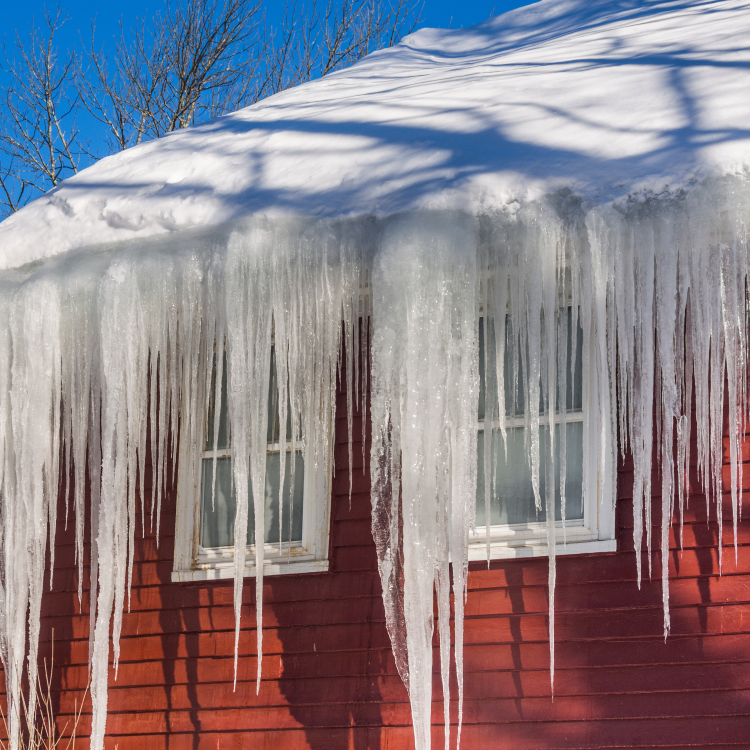
Icicles hanging off your roof may look picturesque in the winter, but they can be a sign of trouble. When left unchecked, they may indicate the formation of an ice dam—a buildup of ice along the roof’s edge that prevents proper drainage. This can lead to serious water damage inside your home.
How Do Ice Dams Form?
- Heat from your home escapes into the attic, warming the roof and causing snow to melt.
- The melted water flows down to the eaves, where temperatures are colder.
- Water refreezes at the roof’s edge, forming a dam that traps additional melting snow.
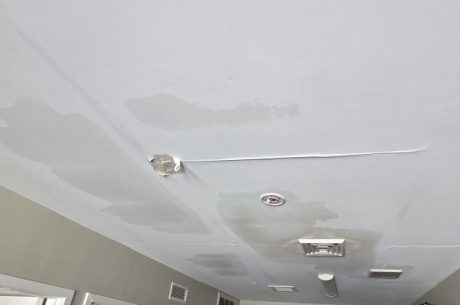
- With nowhere to go, water backs up under shingles, seeping into your home’s ceilings and walls.
How to Prevent Ice Dams
To reduce the risk of ice dams forming on your roof, consider the following preventive steps:
- Ensure Proper Attic Insulation and Ventilation: Adequate insulation keeps your attic cold, preventing snow from melting and refreezing at the roof’s edge.
- Clear Snow from the Roof: Regular snow removal helps reduce the amount of melting snow that could form an ice dam. Roof rakes designed for snow removal can help prevent damage.
- Install Heat Cables: Heat cables along the roof’s edge will allow melting snow to flow off the roof safely, reducing the risk of ice dams.

Local Roofing Contractors for Ice Dam Removal
If an ice dam forms, it’s essential to hire a professional roofer to remove it safely. Here are a few local roofing contractors that can help with ice dam removal in Strafford County, Rockingham County and Southern New Hampshire:
📍 162 S Main St, Manchester, NH 03102
✔ Specializing in ice dam removal, snow and ice removal from roofs, and attic insulation to prevent future ice dams.
📍 10 Commerce Park North Ste 13A-1, Bedford, NH 03110
✔ Offers snow and ice removal services to prevent roof damage and ice dams.
📍 377 S Main St #2, Manchester, NH 03102
✔ Provides ice dam removal services with expert assistance and free quotes.
How PuroClean of Strafford County Can Help
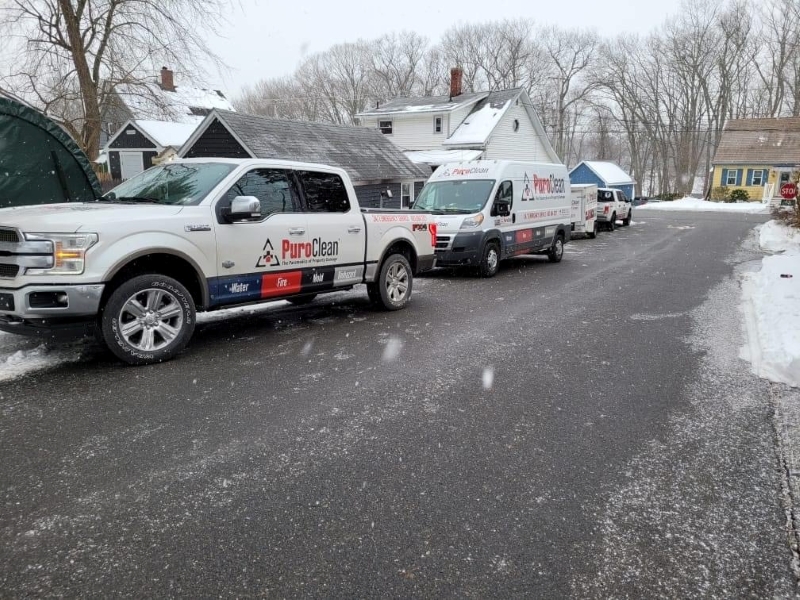
Once your ice dam is removed and the exterior issues are addressed, PuroClean of Strafford County is here to help with any water damage inside your home. Our team specializes in water damage restoration, ensuring that your home is properly dried out and restored. Whether it’s damaged ceilings, walls, or flooring, we offer comprehensive water damage restoration services.
We are also equipped to handle any storm damage resulting from winter snowstorms. Our team can quickly mitigate water damage and prevent mold growth, ensuring that your home is safe and dry.
If you’ve experienced water damage or suspect it from melting snow or ice dams, don’t hesitate to send us a message or call us at 603-664-3727. PuroClean of Strafford County is here to restore your home to its pre-damage condition.
Be Prepared for Future Winter Storms
In addition to ice dams, winter snowstorms can cause roof damage, flooding, and even power outages. It’s important to prepare by clearing snow from your roof, checking gutters, and ensuring your sump pump is working properly to prevent water from entering your basement.
In addition to ice dams, winter snowstorms can cause:
⚠ Roof damage from heavy snow buildup
⚠ Flooding from melting snow and clogged gutters
⚠ Power outages that leave homes without heat
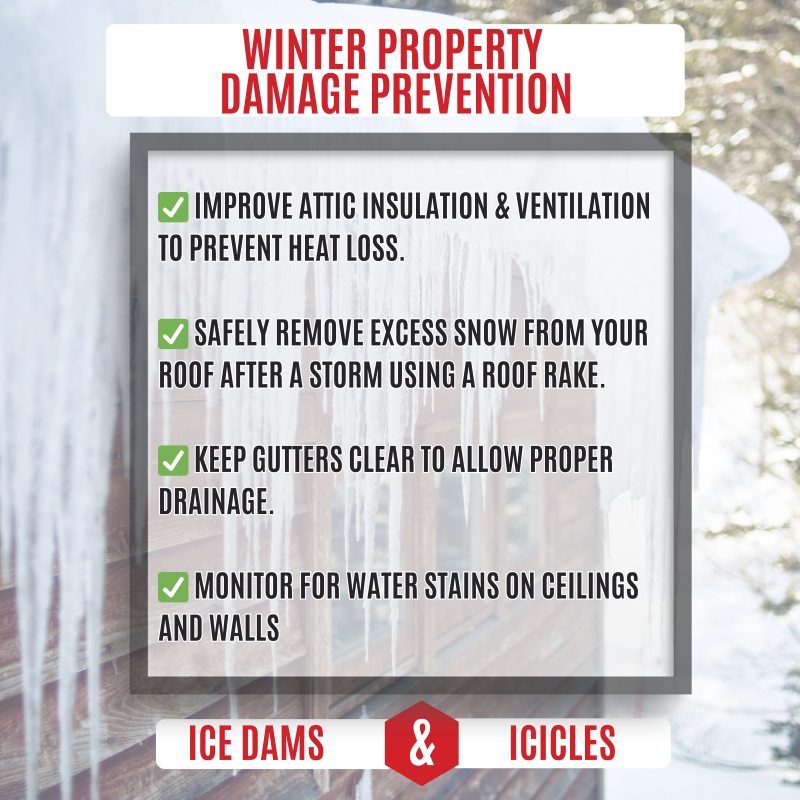
🔹 Prepare by:
✔ Clearing snow from your roof
✔ Checking gutters and downspouts for ice blockages
✔ Ensuring your sump pump is functioning properly to prevent basement flooding
Insurance and Ice Dams
While homeowners insurance may cover damage caused by ice dams, it’s important to review your policy. Many policies do not cover the removal of the ice dam itself, so it’s crucial to hire a roofer for that step. Be sure to document any damage and consult with your insurance provider about coverage.
As a good rule of thumb, access whether the damage exceeds your deductible before filing a claim
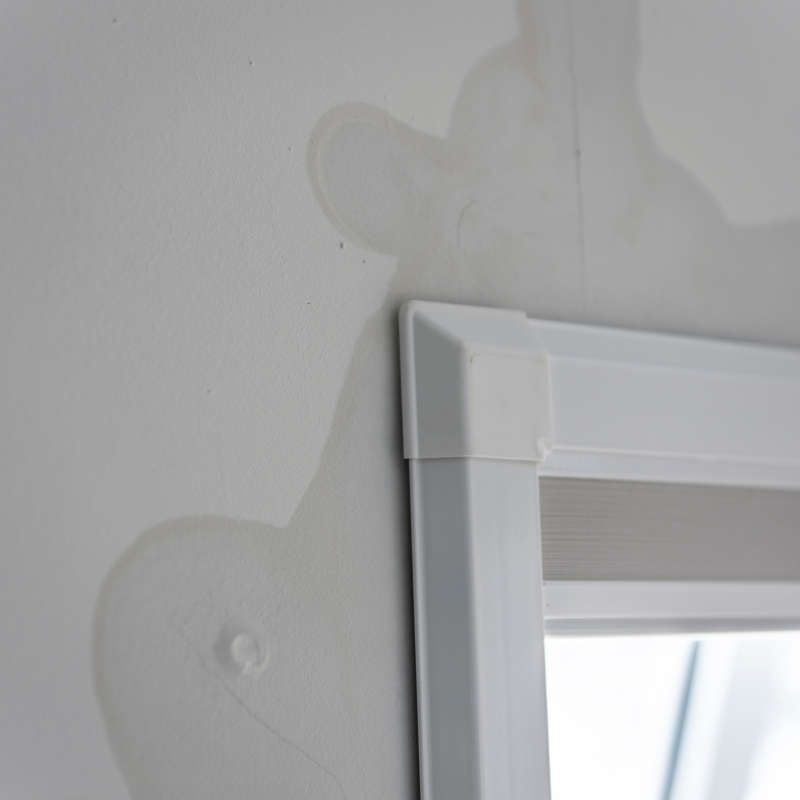
📌 Steps to take:
- Document any damage with photos.
- Contact your insurance provider to confirm coverage.
- Work with a professional restoration company like PuroClean of Strafford County for interior water damage repairs.
Conclusion
By taking the right steps to prevent ice dams and prepare for winter storms, you can protect your home from costly water damage. If you experience any issues related to ice dams or water damage, PuroClean of Strafford County is here to provide expert restoration services.
Contact us today at 603-664-3727 to get your home back to its best.
For professional fire, water, and mold restoration services, contact PuroClean at (603) 664-3727. We specialize in emergency situations in New Hampshire and Southern Maine. We are proud to be IICRC-certified company(Institute of Inspection, Cleaning, and Restoration Certification) and invest in continuous learning and development for our team so we are able to better serve you in your fire damage, water loss, sewer backflows, and mold contamination with an enhanced level of competency. The quality of the remediation services we provide makes PuroClean your ideal property damage restoration company. Give us a call today (603) 664-3727.
Connect with us on social media for updates and insights into property restoration.


 PuroClean of Strafford County