


When temperatures drop and furnaces come alive after months of silence, many homeowners discover an unwelcome surprise — a puff back.
This hidden hazard can coat your home in oily soot within seconds, leaving behind damage that looks cosmetic but is far from harmless.
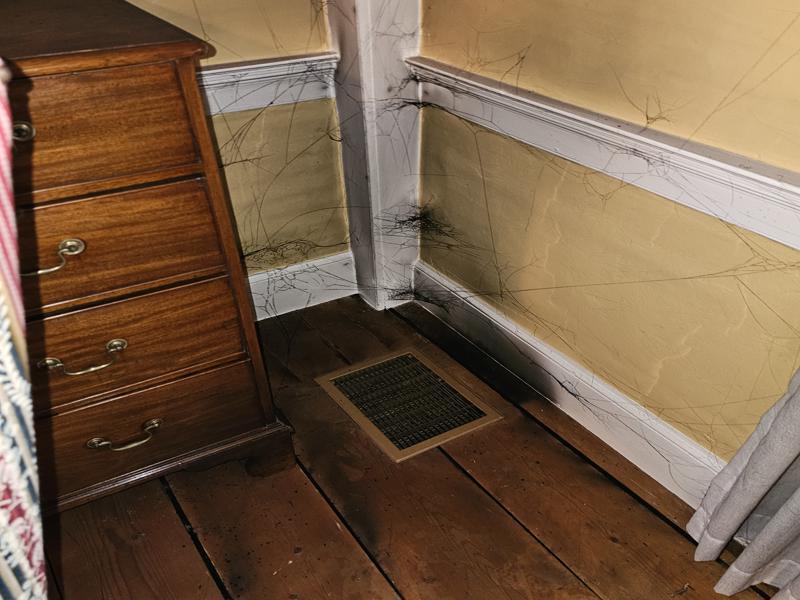
What to Know Up Front
What is a puff back? A puff back is a small explosion inside your furnace or boiler that pushes oily soot through ducts, vents, and living areas.
It happens most often in fall — when heating systems first start after being idle all summer.
Soot particles are toxic and sticky. They cling to walls, ceilings, furniture, and electronics.
Do not try to wipe it yourself. Improper cleaning drives soot deeper into surfaces and can void your insurance coverage.
Most puff backs are covered by insurance when handled by certified restoration professionals.
HVAC techs fix the equipment; PuroClean restores your home as Puffback Cleanup Specialists.
Emergency Response: The First 5 Minutes Matter
If you experience a puff back, follow these critical steps immediately:
- Turn off the heating system at the thermostat and circuit breaker to prevent additional soot discharge
- Evacuate if needed — if there’s heavy smoke, difficulty breathing, or suspected carbon monoxide exposure, exit immediately and call 911
- Open windows if safe to do so to ventilate the space (but only after smoke levels are manageable)
- Do not touch or wipe any surfaces — you’ll spread the oily residue and create permanent stains
- Document with photos before anything is disturbed (for insurance purposes)
- Call PuroClean for emergency restoration — then call your HVAC company to inspect the equipment
Critical safety note: If you smell gas, see flames, or suspect carbon monoxide, do not investigate. Leave immediately and call emergency services from outside the property.

What Causes a Puff Back (and Why Fall Is the Peak Season)
A puff back occurs when fuel ignites unevenly inside an oil furnace or boiler. The unburned oil vapors suddenly combust, sending soot and smoke through the exhaust and air-handling system.
After sitting idle through summer humidity, fuel lines, nozzles, or ignition electrodes may become clogged or misaligned. When the system tries to restart in October or November, the trapped oil mist ignites all at once — and the result is a mini soot explosion.
Common Causes Include:
- Delayed ignition from dirty or misaligned burners
- Cracked heat exchangers or faulty ignition systems
- Leaking fuel lines or clogged nozzles
- Blocked flue or vent pipes preventing proper exhaust
- Poorly maintained oil tanks with sediment buildup
- Accumulation of unburned fuel in the combustion chamber during the off-season
Forced-Air Systems vs. Hot Water Boilers
The type of heating system you have determines the extent of damage:
Forced-air furnaces are the most destructive because extensive ductwork carries soot throughout the entire structure. Every room connected to the HVAC system can be affected in seconds.
Hot water boilers typically confine damage to the boiler room and adjacent areas, though smoke can still migrate through doorways and stairwells.
The Chronic Puffback Problem
Some homeowners experience small, repeated puffbacks without realizing it. These “mini events” leave subtle signs: slight oily odors, thin film on nearby surfaces, or dark streaks near vents. While individually minor, chronic puffbacks indicate serious equipment malfunction and accumulate damage over time.
If you’ve noticed any unusual smells or residue during heating cycles, do not ignore them. Contact an HVAC professional immediately. If you need a recommendation, fill out the contact us form and we will get back to you.
Early Warning Signs of a Puff Back
Some puff backs are sudden; others leave subtle warning clues first.
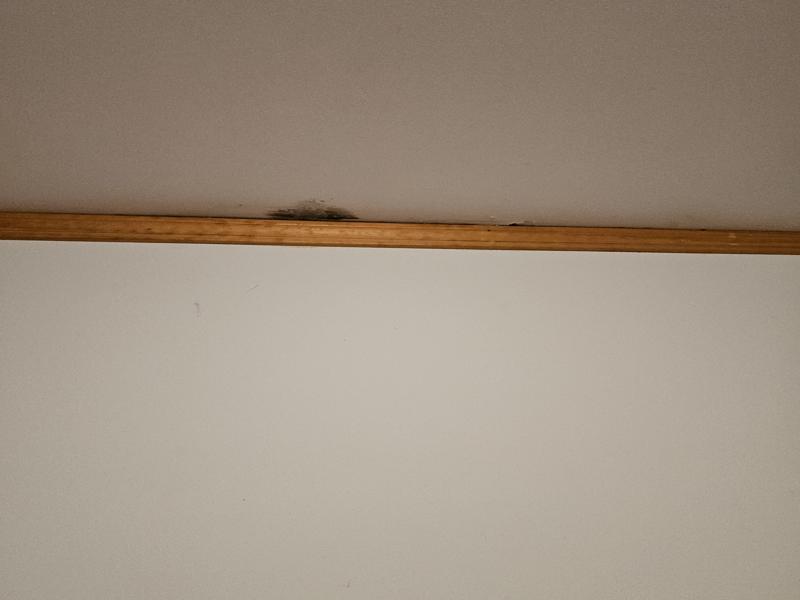
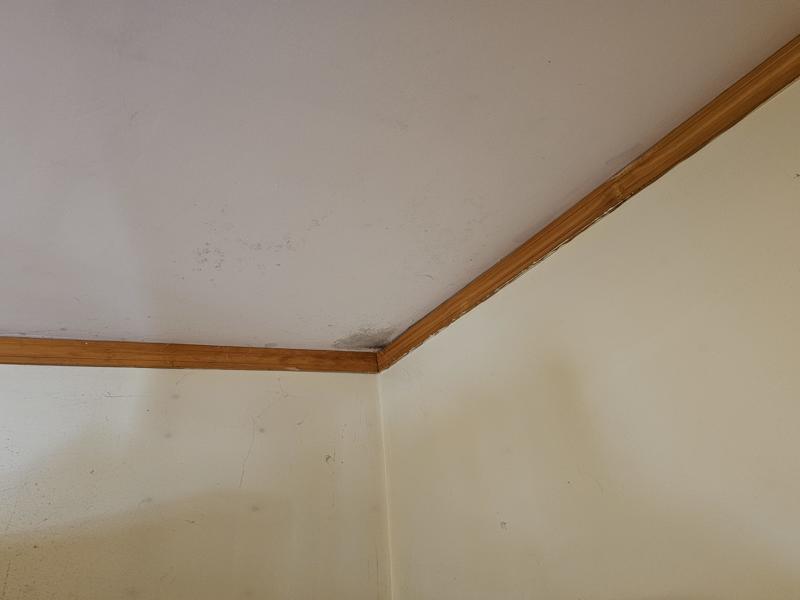
Look for:
- Black streaks or soot deposits on walls and ceilings near vents
- A strong oily, smoky, or petroleum-like odor
- Sticky film on furniture, drapes, or countertops
- Unusual “puffs,” rumbling sounds, or whooshing noises at startup
- Smoke or residue escaping from the boiler or furnace door
- Delayed ignition (hearing clicks without the burner firing immediately)
- Yellow or orange flames instead of steady blue flames
If you notice any of these signs, turn off the system immediately and call for professional inspection before restarting. Continuing to operate a malfunctioning furnace increases the risk of a catastrophic puffback.
Why DIY Cleaning Makes Things Worse (and Costs You More)
Puff back soot is fundamentally different from fireplace ash or ordinary dust. It’s made of microscopic oil-based particles that behave more like tar than powder.
Here’s What Happens When You Try to Clean It Yourself:
Standard cleaning products fail: Soap, all-purpose cleaners, and water actually activate the oil in the soot, causing it to spread and penetrate deeper into porous surfaces like drywall and wood.
You create permanent stains: Wiping with cloths or sponges smears the residue across surfaces, creating dark streaks that cannot be removed without professional treatment or repainting.
You damage electronics: Attempting to clean computers, TVs, or appliances with conventional methods drives conductive particles into circuitry, causing corrosion and failure.
You contaminate HVAC systems: Without proper duct cleaning, soot recirculates every time the system runs, recontaminating cleaned areas and affecting indoor air quality for months.
You void insurance coverage: Most insurance adjusters require documentation from certified restoration professionals. DIY attempts can be considered damage mitigation failure, giving insurers grounds to reduce or deny claims.
The Professional Difference
Certified restoration teams use IICRC-approved methods and specialized equipment unavailable to homeowners:
- HEPA-filtered vacuums that trap particles as small as 0.3 microns without releasing them back into the air
- Dry chemical sponges specifically formulated to lift oily soot without smearing
- Industrial degreasers designed for petroleum-based residue
- Negative air machines that create controlled airflow to prevent cross-contamination
- Thermal fogging to neutralize odors at the molecular level
- Hydroxyl generators that break down volatile organic compounds (VOCs) from smoke
These tools and techniques ensure complete removal while protecting your property value and insurance coverage.
Hidden Health and Insurance Risks
Beyond the visible mess, puff back residue creates ongoing health and financial hazards.
Health Concerns
Soot particles from puffbacks contain:
- Polycyclic aromatic hydrocarbons (PAHs) — known carcinogens
- Sulfur dioxide — respiratory irritant
- Carbon monoxide traces — especially dangerous in poorly ventilated spaces
- Heavy metals from combustion byproducts
Exposure can cause:
- Respiratory irritation and breathing difficulties
- Triggering of asthma or allergy symptoms
- Eye and skin irritation
- Headaches and dizziness from ongoing VOC exposure
When left untreated, oily residue continues releasing odor compounds and particles that circulate through ductwork, creating long-term indoor air quality problems.
Insurance Coverage Details
Most homeowner policies cover puff back cleanup under “sudden and accidental” fire or smoke damage provisions. However, coverage depends on several factors:
What’s typically covered:
- Professional cleaning and restoration of structure and contents
- Temporary housing if the home is uninhabitable
- HVAC system cleaning and decontamination
- Replacement of permanently damaged items
What may not be covered:
- Furnace or boiler repairs (considered maintenance, not damage)
- Damage resulting from known, unrepaired defects
- Losses increased by DIY cleaning attempts
- Repeated claims from the same equipment without repairs
Critical documentation requirements:
- Photos of damage before any cleaning occurs
- Professional assessment report from certified restorers
- HVAC inspection report identifying the cause
- Itemized list of affected contents with valuations
- Receipts for any emergency services or temporary housing
Pro tip: Contact your insurance company within 24 hours of discovering damage. Many policies have notification deadlines, and delays can affect coverage.
How PuroClean Responds to a Puff Back
When you call PuroClean, our IICRC-certified technicians arrive equipped to handle every aspect of restoration:
1. Emergency Assessment & Documentation (0-2 hours)
- Complete damage inspection of all affected areas
- Detailed photo and video documentation for insurance
- Moisture readings to identify hidden damage
- Air quality testing to determine contamination levels
- Preliminary estimate and scope of work
2. Containment & Air Quality Control (2-4 hours)
- Establish negative air pressure zones to prevent soot migration
- Deploy HEPA air scrubbers to filter airborne particles
- Seal off unaffected areas with plastic barriers
- Begin ventilation with controlled air exchange
3. Content Protection & Pack-Out (Day 1)
- Inventory all affected contents with electronic documentation
- Determine what can be restored vs. replaced
- Carefully pack and transport salvageable items to our climate-controlled facility
- Protect furniture and valuables remaining on-site
4. Structural Cleaning (Days 1-3)
- Remove loose soot with HEPA vacuums
- Clean walls, ceilings, and hard surfaces with specialized chemicals
- Treat fabrics and upholstery with dry-cleaning methods
- Address all HVAC components including ductwork
- Clean or replace air filters and registers
5. Odor Elimination (Days 2-4)
- Deploy thermal fogging to neutralize smoke odors
- Use hydroxyl generators for continuous air treatment
- Apply odor-sealing primers to porous surfaces before repainting
- Verify odor removal with air quality testing
6. Final Restoration (Days 4-7)
- Repaint walls and ceilings as needed
- Reinstall cleaned contents
- Perform final walkthrough with homeowner
- Provide documentation package for insurance claim
- Schedule follow-up inspection
7. Insurance Coordination (Throughout)
- Direct communication with your insurance adjuster
- Provide detailed estimates in insurance-industry format (Xactimate)
- Submit documentation and progress reports
- Negotiate on your behalf for full coverage
- Handle billing directly with insurance when authorized
Every response is built on the “Paramedics of Property Damage” philosophy — minimizing disruption while protecting your home’s structure, contents, and air quality.
Real Cost Examples: Why Professional Service Pays for Itself
Understanding the potential costs helps illustrate why professional restoration is the only sensible approach:
Scenario 1: Single-Room Puffback (Basement Boiler Room)
- Typical Damage: Boiler room walls, ceiling, nearby utility areas
- Professional Restoration Cost: $2,500 – $5,000
- DIY Attempt Result: Smeared soot, permanent staining, insurance claim complications
- Potential Total Cost After DIY Failure: $8,000 – $12,000 (repainting won’t fix it; full drywall replacement often needed)
Scenario 2: Forced-Air Furnace Puffback (Whole House)
- Typical Damage: All rooms, ductwork, furniture, drapes, electronics
- Professional Restoration Cost: $15,000 – $35,000
- DIY Attempt Result: Surface damage worsens, electronics fail from embedded particles, odors persist
- Potential Total Cost After DIY Failure: $45,000 – $75,000+ (includes replacing damaged contents, complete duct replacement, extended temporary housing)
Scenario 3: Chronic Small Puffbacks (Undetected)
- Typical Damage: Gradual buildup on surfaces, HVAC system contamination, persistent odors
- Professional Restoration Cost: $5,000 – $12,000
- Ignoring It Result: Ongoing health effects, HVAC system failure, reduced property value
- Potential Total Cost: $20,000+ (includes health impacts, HVAC replacement, reduced home sale price)
Insurance typically covers professional restoration in full (minus deductible). DIY attempts often result in partial or denied claims — leaving you paying the full cost out of pocket while dealing with worse damage than you started with.
Fall Prep Steps to Prevent Puff Backs
You can’t always prevent mechanical failure, but proper maintenance dramatically reduces the risk.
Essential Annual Maintenance (Schedule in August/September)
✓ Schedule professional furnace or boiler service before cold weather hits
- Clean and inspect burner components
- Check ignition system timing and electrode alignment
- Test safety controls and limit switches
- Measure combustion efficiency
✓ Replace filters and clean flues to maintain proper airflow
- Install new high-quality air filters
- Inspect flue pipes for corrosion or blockages
- Clean chimney to remove any debris or nests
✓ Inspect fuel delivery system for leaks or buildup
- Check oil supply lines for cracks or corrosion
- Examine nozzles for clogs or wear
- Test fuel pump pressure
- Drain sediment from oil tank bottom
✓ Verify ventilation systems are clear and functional
- Check for blockages in intake and exhaust vents
- Look for bird nests in chimney caps
- Ensure proper clearances around equipment
✓ Test all safety devices at the same time
- Smoke detectors in every bedroom and hallway
- Carbon monoxide detectors on every level
- Emergency shutoff switches
- Temperature and pressure relief valves
Additional Prevention Measures
For Oil Systems:
- Consider fuel additives that prevent sludge buildup during summer storage
- Schedule mid-season inspections if your system is over 15 years old
- Keep records of all maintenance for insurance and warranty purposes
For All Systems:
- Never ignore unusual sounds, smells, or performance issues
- Test run your system on a mild day in September before you actually need heat
- Keep the area around your furnace or boiler clean and unobstructed
Cost Reality Check: A $150-$300 annual tune-up could prevent $15,000-$35,000 in cleanup costs. That’s a 5,000% to 23,000% return on investment.
Prevention is always the most cost-effective form of restoration.
When to Call PuroClean
Immediate Emergency (Call 24/7)
If you’ve experienced:
- Visible black soot anywhere in your home
- An oily odor after starting your heating system
- A sudden puff of smoke when the furnace fired up
- Any of the warning signs listed above
Do not delay. Turn off the unit, ventilate the area if safe, and contact us immediately.
Non-Emergency Consultation
If you’re concerned about:
- Subtle odors or discoloration that might indicate chronic small puffbacks
- Pre-winter assessment of older heating systems
- Insurance questions about coverage
- General prevention guidance
We’re happy to provide free consultations and home assessments.
What to Expect When You Call
- Immediate pickup — we answer our emergency line 24/7/365
- Technician dispatch within 1-2 hours for emergencies
- Clear explanation of the assessment and restoration process
- Upfront discussion of insurance coverage and costs
- No obligation to proceed after initial assessment
Our team will handle the cleanup safely, document everything for your insurance claim, and ensure your home is restored to pre-loss condition.
Contact PuroClean of Strafford County Serving Southern NH & Maine Seacoast | Portsmouth, NH | Manchester, NH | Concord, NH | Kittery, ME 24/7 Emergency: (603) 664-3727 Licensed • Insured • IICRC Certified
Frequently Asked Questions
What causes a furnace puff back?
A puff back happens when unburned fuel accumulates in an oil-burning furnace or boiler and ignites suddenly, pushing soot, smoke, and oily residue through vents and into living spaces. Common causes include delayed ignition from dirty burners, clogged nozzles, misaligned electrodes, or blocked flue pipes — especially after equipment sits idle through summer.
Is a puff back dangerous?
Yes. The soot contains toxic compounds including carcinogens (PAHs), respiratory irritants (sulfur dioxide), and traces of carbon monoxide. The oily residue contaminates indoor air, damages electronics, and creates persistent odors. In severe cases, the initial explosion can also cause structural damage or start fires.
Can I clean puff back soot myself?
No. Oil-based soot behaves differently than regular dust or ash. Standard cleaning products cause it to smear and penetrate deeper into surfaces, creating permanent stains. DIY attempts typically worsen damage, void insurance coverage, and cost significantly more to fix afterward. IICRC-certified restoration is required for proper cleaning and insurance claim approval.
Does homeowners insurance cover puff back cleanup?
In most cases yes, under “sudden and accidental” fire or smoke damage provisions — but only if professional restoration handles the cleanup and documents the loss properly. Insurance typically does NOT cover the furnace repairs themselves (considered maintenance) or damage resulting from known defects that weren’t repaired. Always contact your insurance company within 24 hours of discovering damage.
How can I prevent a puff back before winter?
Schedule annual professional furnace maintenance in August or September, before you need heat. This should include cleaning burner components, checking ignition timing, inspecting fuel lines, testing safety controls, and cleaning flues. Replace air filters regularly and address any unusual sounds or smells immediately. A $150-$300 tune-up can prevent $15,000+ in cleanup costs.
How long does puff back restoration take?
Timeline varies by damage severity. Minor incidents (single room) typically require 3-5 days. Whole-house forced-air system puffbacks can take 7-14 days including pack-out, deep cleaning, odor elimination, and content restoration. Emergency containment and air quality control begin within hours of your call.
What’s the difference between a puff back and a regular fire?
A puff back is a brief explosion inside heating equipment that releases soot without sustained flames. It’s often called a “mini explosion” — the combustion event lasts just a second or two. Unlike a fire, there’s typically no active burning outside the equipment, but the soot distribution can be just as widespread and the residue even more difficult to clean due to its oily composition.
Will the smell ever go away completely?
Yes, but only with professional treatment. The petroleum-based compounds in puff back soot continue releasing odor molecules for months if not properly treated. Professional restoration includes thermal fogging, hydroxyl generation, and odor-sealing primers that neutralize smell at the molecular level. DIY air fresheners and cleaning only mask odors temporarily — they don’t eliminate them.
Should I run my heating system after a puff back?
Absolutely not. Turn off the system immediately and do not restart until both HVAC and restoration professionals have inspected and cleared the equipment. Running a malfunctioning furnace can cause repeated puffbacks, distribute additional soot, and create carbon monoxide hazards. The furnace must be repaired AND the entire system must be cleaned before safe operation.
What if I’m renting — who’s responsible?
Landlords are typically responsible for maintaining heating equipment and addressing damage from mechanical failures. However, renters should immediately notify the landlord, document the damage, and ensure professional restoration occurs. Renters insurance often covers personal belongings affected by puffbacks. Never attempt cleanup yourself — it’s the property owner’s responsibility to hire certified professionals.
Ready to protect your home this heating season? Schedule your pre-winter furnace inspection today, or contact PuroClean of Strafford County immediately if you’ve experienced a puff back. We’re available 24/7 to restore your home safely and completely. Emergency Response: (603) 664-3727
24/7 Emergency Fire Damage Restoration – Call Now: (603) 664-3727
When fire strikes your home or business anywhere in Southern New Hampshire or the Maine Seacoast, immediate professional response is critical. PuroClean of Strafford County provides comprehensive fire damage restoration services from emergency response through complete reconstruction, eliminating the stress of coordinating multiple contractors during an already devastating time.