 PuroClean of Strafford County
 When people search “How much does biohazard cleanup cost?” or “What is covered by insurance for biohazard cleanup?”, they’re often facing a stressful, overwhelming situation. Whether it’s a sewage backup, animal infestation, or trauma scene, biohazard cleanup costs more than regular cleaning — and for good reason. In this article, we’ll break down:
- What makes biohazard cleanup different (and costly)
- The top biohazard scenarios that trigger insurance claims
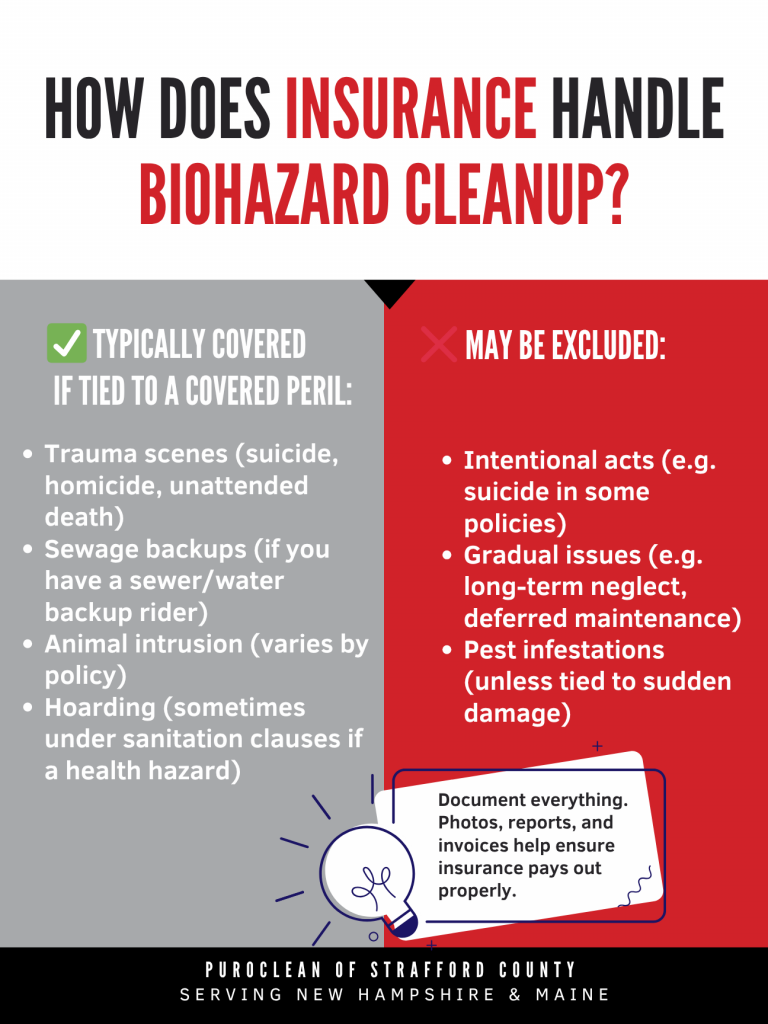
- How insurance typically covers these events
- What to expect from reputable cleanup professionals
- FAQs about cost, coverage, and safety
Let’s get started!
What Is a Biohazard, Anyway?
A biohazard is any biological material that poses a risk to human health. According to the CDC, biohazards are biological substances that pose a threat to human health.. Common examples include:
- Blood & bodily fluids (e.g. after trauma, suicide, or unattended death)
- Animal waste (e.g. raccoon, rodent, bat infestations)
- Sewage and Category 3 water (also called black water)
- Human waste & hoarding conditions
- Infectious disease contamination (like C. diff or MRSA)
These materials can transmit serious diseases — from Hepatitis B and HIV to hantavirus, salmonella, or roundworm (Baylisascaris).

Why Is Biohazard Cleanup So Expensive?
Here’s what makes biohazard cleaning different (and pricier) than, say, water damage restoration or regular deep cleaning:
🔹 Protective Equipment (PPE)
Technicians must wear hazmat suits, respirators, gloves, and sometimes full-face masks — not optional, and not cheap. Much of this gear is disposable after one use.
🔹 Specialized Cleaning Agents & Tools
EPA-registered hospital-grade disinfectants, HEPA vacuums, negative air machines, and ozone or hydroxyl generators are standard.
🔹 Licensed Waste Disposal
Biohazardous materials (feces, blood-soaked items, contaminated furniture) must be packaged, labeled, and transported to licensed disposal facilities — not your local landfill.
🔹 Time & Expertise
Every inch must be cleaned and disinfected according to strict standards (OSHA, CDC, EPA). This takes longer and requires specialized training.
🔹 Liability & Insurance
Biohazard companies carry extensive insurance due to the risk involved — and these costs factor into pricing.

- Minor biohazard cleanup: $1,500 – $5,000
- Complex or multi-room cleanup: $10,000 – $25,000+
- Crime/trauma scene or major hoarding cases: Upwards of $45,000
Top 5 Most Common Biohazard Insurance Claims
These are the most frequent biohazard scenarios we see in insurance claims:
1️⃣ Sewage Backups / Category 3 Water Damage
Flooded basements, broken sewer lines, or toilet overflows that contaminate a home with black water. Often excluded without a specific rider.
2️⃣ Trauma / Crime Scene / Unattended Death
Includes suicides, homicides, or undiscovered deaths. Decomposition adds significant biohazard risks and cleanup costs.
3️⃣ Hoarding with Human / Animal Waste
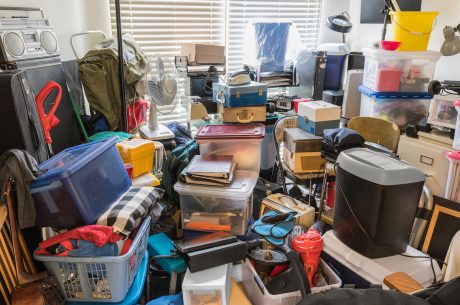
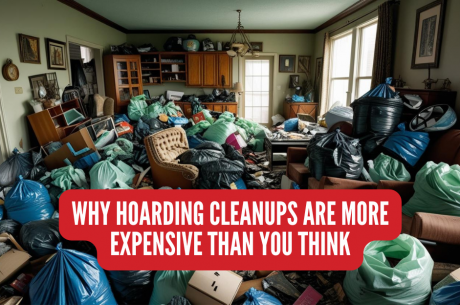
Excessive accumulation of items mixed with feces, urine, and decomposition. These cases require biohazard disposal, pest control, and structural assessments.
4️⃣ Animal Infestations (Rodents, Raccoons, Bats)
Droppings, nesting materials, and urine can harbor pathogens like hantavirus, salmonella, and Baylisascaris (raccoon roundworm).
5️⃣ Infectious Disease Contamination
Situations involving C. diff, MRSA, or other contagious pathogens needing hospital-grade sterilization.
The PuroClean Biohazard Cleanup Process
PuroClean and similar reputable companies follow a methodical, safe approach:
1️⃣ Assessment & Containment – Identify hazards, set up containment zones, and ensure safety.
2️⃣ PPE & Safety Protocols – Use full protective gear and OSHA-compliant methods.
3️⃣ Removal & Disposal – Bag, label, and transport biohazard waste for licensed disposal.
4️⃣ Deep Cleaning & Disinfection – Use medical-grade cleaners, HEPA filtration, and specialized tools.
5️⃣ Deodorization – Ozone or hydroxyl systems neutralize lingering odors.
6️⃣ Final Clearance & Documentation – Certify the site is safe and provide detailed reports for insurance.
For New Hampshire and Maine residents, PuroClean provides expert biohazard cleanup for trauma, crime scenes, and hoarding cleanup. Our certified team ensures thorough disinfection, odor control, and a compassionate approach. The quality of the remediation services we provide makes PuroClean your ideal property damage restoration company. Give us a call today (603) 664-3727.
Why Choose PuroClean of Strafford County?
At PuroClean of Strafford County, we know biohazard events are overwhelming. Our local team responds 24/7 with fast, OSHA-compliant, compassionate cleanup to protect your health, restore your property, and reduce stress during challenging moments. Call us anytime for emergency help in Southern New Hampshire, the Seacoast to parts of Maine.
Local PuroClean Biohazard Cleanup Examples
At PuroClean of Strafford County, we’ve handled sensitive biohazard jobs across New Hampshire with care and confidentiality. We’ve completed suicide cleanups and unattended death cleanups where loved ones weren’t found for days, requiring deep sanitation and odor removal. Our team has provided emergency C. diff (Clostridioides difficile) and MRSA cleaning at healthcare facilities to protect patients and staff. We’ve also assisted families after injuries or medical emergencies at home, offering discreet hoarding cleanup when relatives need help restoring safe living spaces. Every situation is handled with empathy, speed, and professional precision.
FAQs About Biohazard Cleanup
💡 How long does biohazard cleanup take?
Anywhere from a few hours (small contained trauma) to several days or weeks (hoarding, large-scale animal infestations).
💡 Why can’t I just clean it myself?
Improper handling of biohazards risks infection, fines, and legal consequences. Professionals follow strict safety and disposal laws.
💡 What certifications do biohazard technicians have?
Most are IICRC-certified for trauma/biohazard (S540 standard), OSHA-trained in bloodborne pathogens, and HAZWOPER-certified for hazardous environments.
💡 How much does it cost?
Average jobs range $1,500–$5,000; extensive jobs can exceed $25,000. Costs depend on scope, hazard level, and materials requiring disposal.
💡 Does insurance cover it?
Often yes — but check your policy. Coverage varies, especially for animal infestations or hoarding.
Final Thoughts
Biohazard cleanup isn’t just about cleaning — it’s about protecting health, restoring safety, and complying with complex regulations. If you’re facing a biohazard situation, don’t go it alone. Call certified professionals, and check your insurance coverage for help with costs. You can learn more about infection prevention from the NH Department of Health and Human Services.

 PuroClean of Strafford County