Your Local Property Restoration Experts Available 24/7 For Water, Fire, Mold, and Biohazard Emergencies.
Have a non-emergency? Fill out the form and we'll respond shortly.
For emergencies, call (520) 524-6306.
Protecting Tucson, Arizona Homes and Businesses Against Local Risks
From historic adobe homes in central Tucson to modern townhomes in Marana, the region’s diverse neighborhoods reflect both its desert heritage and ongoing growth. Flowing Wells features older ranch-style houses vulnerable to aging infrastructure, while areas like Casas Adobes and Oro Valley offer newer subdivisions with stucco exteriors and HOA oversight. Alongside the bustling University of Arizona district and commercial cores, homeowners balance property pride with environmental exposure. Whether nestled near Sabino Canyon in the Catalina Foothills or near the La Encantada shopping hub, these homes and businesses face regional challenges that demand constant vigilance.
The Southwest monsoon season brings intense summer rainfall that can overwhelm drainage systems, particularly in low-lying areas of Tucson and Flowing Wells. Flash floods, roof leaks, and sewage backups are common concerns from July through September. During this period, mold development accelerates in moisture-prone spaces, especially in older homes without modern vapor barriers. Desert heat and UV exposure also contribute to wear on piping and insulation, raising the risk of leaks even outside monsoon months. While wildfire risk remains minimal, wind-driven dust storms can lead to roof damage and complicate property ventilation.
Property owners across Tucson and its northern suburbs can rely on 24/7 availability should emergencies arise. Whether responding to a sewage backup in a central Tucson bungalow or assessing storm damage in a Catalina Foothills estate, restoration professionals remain equipped for rapid deployment. With deep familiarity across housing styles and climate-related hazards, support is always ready, any time, day or night.
 Casas Adobes
Catalina Foothills
Flowing Wells
Oro Valley
Tucson
Casas Adobes
Catalina Foothills
Flowing Wells
Oro Valley
Tucson
Water damage can result from unexpected leaks, flooding from storms, plumbing failures, or appliance malfunctions. Our certified teams focus on rapid water removal, drying, and stabilization to help prevent further damage and mold growth.
 Explore Our Water Damage Mitigation Services
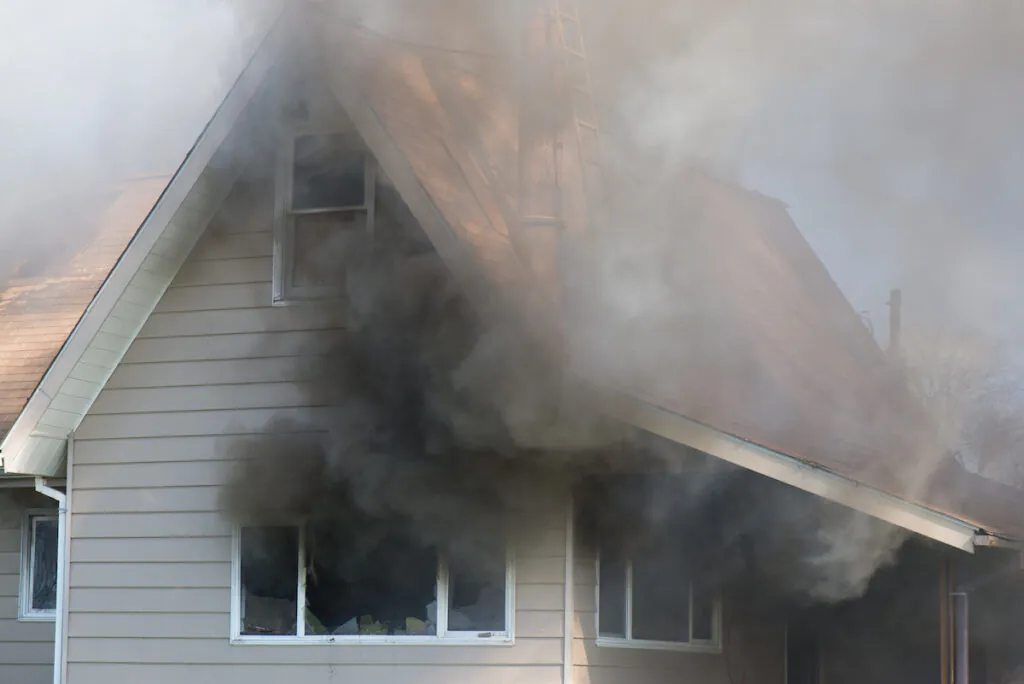
Even after a fire is extinguished, smoke, soot, and odor can continue to affect your home. Fire damage restoration services address visible damage while also helping reduce lingering effects that impact indoor air quality and surfaces.
Explore Our Fire and Smoke Damage Restoration Services
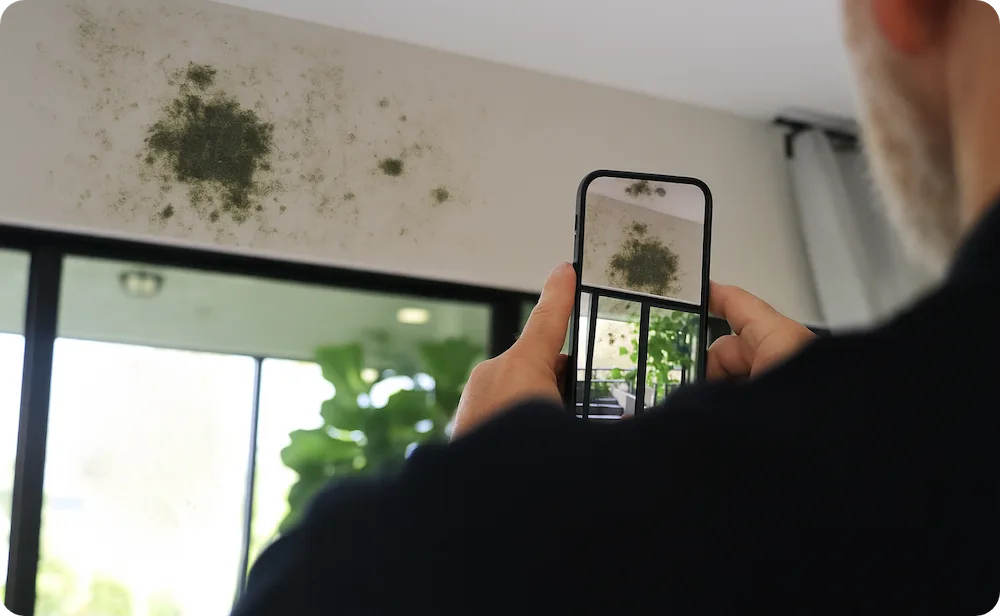
Mold often develops as a result of unresolved moisture or hidden water damage. Professional mold remediation helps identify affected areas, contain growth, and restore healthy indoor conditions.
Explore Our Mold Removal and Remediation Services
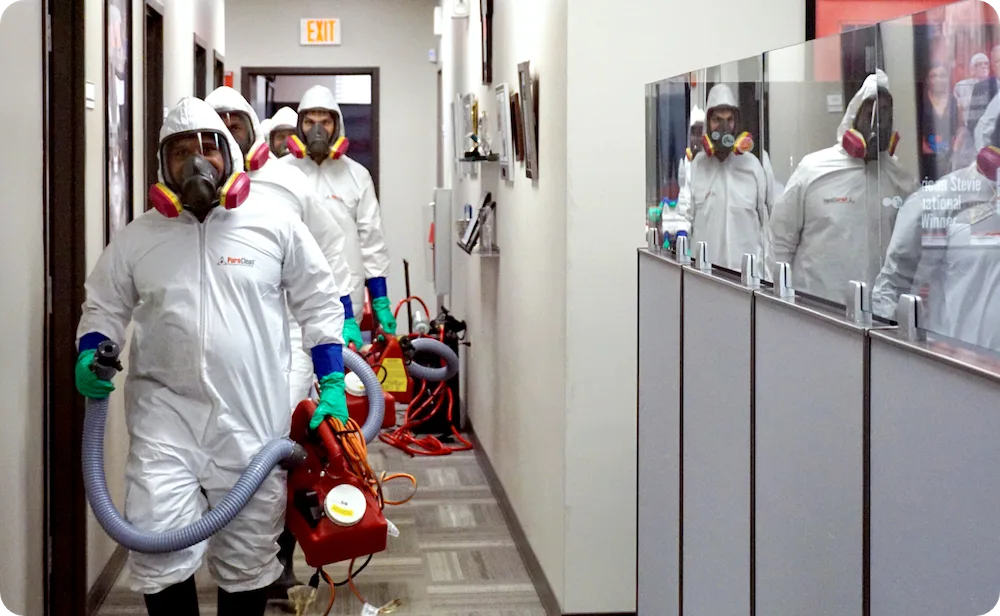
Biohazard situations, including crime scene cleanup and virus decontamination, require specialized cleaning and handling to protect health and safety. Biohazard cleanup services address contamination using proper protocols and professional care.
Explore Our Biohazard Cleanup Services
In some cases, property damage requires repairs beyond cleanup and mitigation. Reconstruction services help restore damaged areas of the home after water, fire, or other incidents, supporting a smoother transition from damage to recovery.
Explore Our Reconstruction Services Services
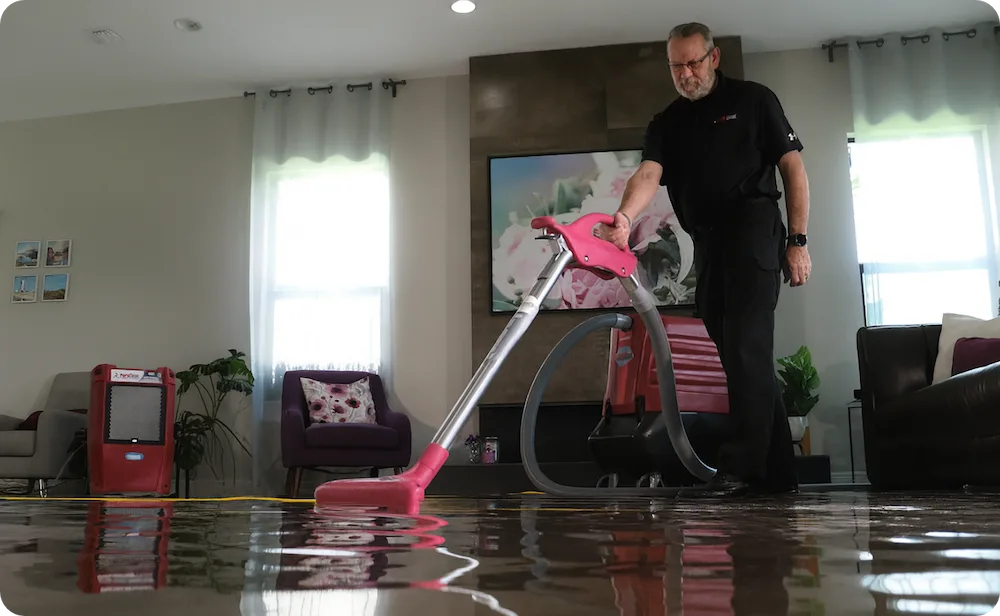
Water damage can result from unexpected leaks, flooding from storms, plumbing failures, or appliance malfunctions. Our certified teams focus on rapid water removal, drying, and stabilization to help prevent further damage and mold growth.
Explore Our Water Damage Mitigation Services

PuroClean of Northeast Tucson
(520) 524-6306
2517 N 1st Avenue, Tucson, AZ 85719

© 2026 PuroClean. All Rights Reserved.