


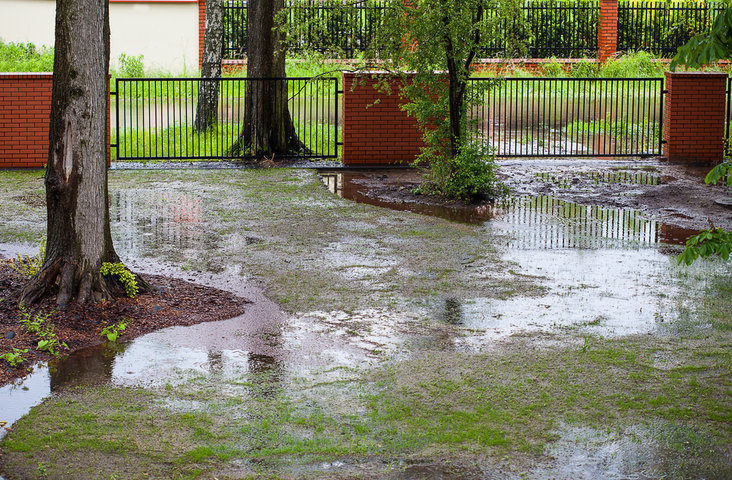
Gardening enthusiasts in Wayne, NJ, understand the challenges and heartaches that come with nurturing a garden, only to see it devastated by flooding. Whether you’re a seasoned gardener or a homeowner looking to maintain your landscape’s beauty, dealing with a flooded garden in Wayne can be a daunting task. This post aims to guide you through the causes of garden flooding, preventative measures, restoration tips, and selecting plants that will not just survive but thrive in wet conditions.
Understanding the Causes of a Flooded Garden in Wayne
Before we dive into restoration, it’s crucial to understand why gardens flood.
- Heavy rainfall is perhaps the most common culprit, especially if you are in close proximity to a body of water.
- Poor drainage can be the result of your garden sitting at a low point in the yard or the quality of your soil.
- Snowmelt can lead to excessive water runoff as the seasons transition from winter to spring.
Restoring a Flooded Garden in Wayne
Once the floodwaters have receded, the task of restoring your garden begins. Here are essential steps to take:
- Assess the Damage. Give your garden a few days to dry out, then assess the extent of the damage. Some plants may recover on their own, while others might need replacement.
- Remove Debris and Silt. Floodwaters can leave behind debris and silt that suffocate plants and soil. Carefully clean your garden, taking care not to harm any surviving plants.
- Test and Amend Your Soil. Flooding can deplete soil nutrients and introduce contaminants. Test your soil for nutrient levels and contaminants like heavy metals. Depending on the results, you may need to amend your soil with compost or other organic matter to restore its health.
- Wait Before Planting. Resist the urge to replant immediately. Your soil needs time to recover. In the meantime, plan your new garden layout, focusing on flood-resistant plants if flooding is a recurring issue.
Choosing Plants for Wet Conditions
Opting for plants that thrive in wet conditions can transform a flood-prone garden into a lush, resilient landscape. Consider incorporating the following into your garden:
- Ferns and hostas. Both thrive in moist soil and shaded areas, making them perfect for flood-prone gardens.
- Swamp milkweed. A beautiful and beneficial plant that attracts butterflies and thrives in wet soil.
- Japanese iris. These stunning flowers are known for their love of wet feet and can add color and height to your garden.
- Willow trees. Fast-growing and fond of water, willows can help absorb excess moisture from your garden.

Planting a willow tree near your garden can help with drainage in a flooded garden in Wayne.
How to Prevent a Flooded Garden in Wayne
Improving drainage is a direct solution to prevent water accumulation. Installing French drains or incorporating raised beds can significantly improve water flow. Building your garden on a slope will also help maximize draining potential. Be sure to avoid planting the garden on lower ground.
Working With a Flooded Garden
Rather than working against the rain, you can work with it. Planting a rain garden near your primary garden can help redirect water while beautifying your landscape. Rain gardens also provide habitats for local wildlife.

Rain gardens incorporate plants that thrive in wet conditions.
Incorporating these tips and plant suggestions into your gardening strategy can help restore and enhance your flooded garden in Wayne. The key to a thriving garden is understanding and working with your landscape’s unique challenges. By taking proactive measures to prevent flooding and carefully selecting flood-resistant plants, you can create a beautiful, resilient garden that withstands all that nature brings.
Has Your Flooded Garden Contributed to Property Damage? Call PuroClean of Wayne!
When a flooded garden leads to property damage, you need a trusted partner who can respond quickly and effectively. That’s where PuroClean of Wayne comes in. Our experienced team specializes in water damage restoration, providing you with prompt, professional service to mitigate damage and restore your property. From water extraction to drying and dehumidification, we use the latest technology and techniques to get the job done right. Don’t let water damage disrupt your life—contact PuroClean of Wayne at (973) 988-2121. We’re ready to help you recover with compassion and expertise.