


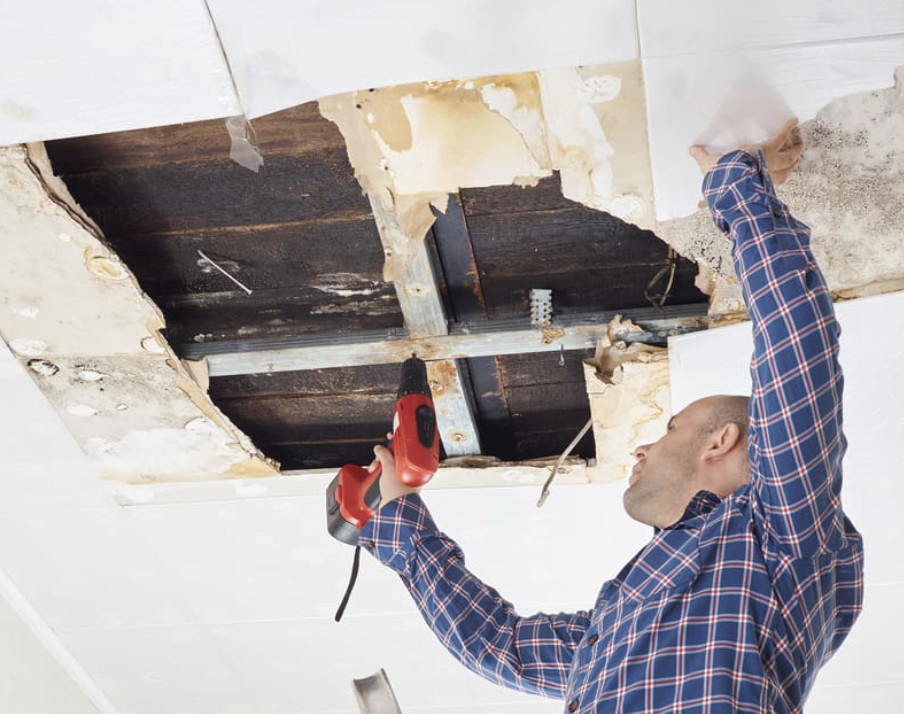
If a pipe bursts in your Lancaster home, shut off the water as quickly as you safely can, avoid electrical hazards, move vulnerable belongings away from the affected area, document the damage, and begin removing standing water. A burst pipe can spread water into flooring, drywall, cabinets, ceilings, insulation, and adjoining rooms within a short period of time.
The American Red Cross recommends turning off the main water valve when household pipes are damaged and contacting a plumber for assistance.[1] The U.S. Environmental Protection Agency also recommends drying water-damaged materials within approximately 24 to 48 hours when possible to help prevent mold growth.[2]
PuroClean of West Antelope Valley provides professional burst pipe water damage cleanup in Lancaster, including water extraction, hidden moisture detection, structural drying, and cleanup of affected building materials after the plumbing source has been controlled.
What Should You Do First After a Pipe Bursts?
The first priority is to stop additional water from entering the home.
A practical response is:
- Shut off the water supply.
- Stay away from possible electrical hazards.
- Call a plumber.
- Move belongings away from the water when safe.
- Document visible damage.
- Begin removing standing water.
- Determine how far moisture traveled.
- Begin drying affected materials.
The Red Cross recommends shutting off the main water valve when pipes are damaged and contacting a plumber for repairs.[1]
1. Shut Off the Water
If the burst pipe is still releasing water, shut off the main household water valve or the appropriate local shutoff valve if you can do so safely.
This can help limit how much water reaches:
- Flooring
- Carpet and padding
- Drywall
- Cabinets
- Wall cavities
- Ceilings
- Rooms below the leak
If you do not know where the shutoff is or cannot access it safely, contact a plumber or emergency plumbing service.
2. Avoid Electrical Hazards
Do not walk through standing water when electrical outlets, extension cords, appliances, wiring, or electrical panels may be energized.
Be especially cautious if water has reached:
- Wall outlets
- Power strips
- Appliances
- Ceiling fixtures
- Electrical panels
- Wet walls containing wiring
If electrical equipment has been affected, avoid using it until the area has been evaluated and made safe.
3. Call a Plumber
A plumber is needed to identify and repair the failed pipe so additional water does not continue entering the structure.
The plumbing professional may:
- Locate the failed section of pipe
- Isolate the affected line
- Repair or replace the pipe
- Restore the water supply safely
- Confirm that the active leak has stopped
If the pipe burst behind a wall, beneath a slab, or above a ceiling, locating the failure may require additional diagnostic work.
4. Protect Furniture and Belongings
If it is safe to enter the area, move furniture, rugs, electronics, boxes, and other vulnerable belongings away from standing water or wet flooring.
This can help:
- Limit additional property damage
- Expose wet flooring for extraction
- Improve access for inspection
- Prevent furniture from sitting in standing water
Move wet belongings to a location where they will not transfer moisture to otherwise dry walls or flooring.
5. Document the Damage
Take photographs or video before major cleanup or disposal when it is safe to do so.
Document:
- Standing water
- Wet flooring
- Damaged walls
- Ceiling stains
- Swollen cabinets
- Damaged furniture
- The apparent plumbing failure
- Any affected personal property
Insurance coverage varies by policy and cause of loss, so homeowners should contact their insurer for claim-specific instructions.
6. Remove Standing Water
Once the pipe is controlled and the area is safe, standing water should be removed as soon as practical.
Water left in place can continue soaking into:
- Carpet and padding
- Wood flooring
- Laminate flooring
- Baseboards
- Drywall
- Cabinet materials
- Adjacent rooms
PuroClean of West Antelope Valley provides emergency water extraction in Lancaster for significant indoor water losses.
Professional extraction equipment can remove bulk water more efficiently than household towels, mops, or small consumer equipment when a large area is affected.
7. Check for Hidden Moisture
Removing visible water does not necessarily mean the structure is dry.
Burst-pipe water may remain:
- Under flooring
- Behind baseboards
- Inside drywall
- Inside wall cavities
- Beneath cabinets
- Above ceilings
- Inside insulation
The EPA recommends checking surrounding building materials after leaking pipes because moisture may extend into carpet, drywall, paneling, and other concealed areas.[3]
If water has reached the floor assembly, our guide to what happens when water gets under flooring explains why moisture may remain below the visible surface.
8. Begin Structural Drying
After standing water is removed, wet building materials may still require controlled drying.
Structural drying may involve:
- Air movement
- Dehumidification
- Moisture monitoring
- Selective removal of damaged materials
- Drying flooring and underlayment
- Drying walls or ceiling cavities
The EPA’s water-damage guidance discusses extraction, airflow, and dehumidification as methods for drying wet flooring, carpet, drywall, concrete, and other materials.[4]
Moisture measurements help determine whether affected materials are actually drying rather than relying only on how they look or feel.
9. Reduce Mold Risk
A burst pipe does not automatically mean mold will develop.
However, wet building materials should be dried promptly.
The EPA recommends drying water-damaged areas and materials within approximately 24 to 48 hours when possible to help prevent mold growth.[2]
Materials that may support mold growth when they remain damp include:
- Drywall paper
- Wood
- Carpet backing
- Carpet padding
- Cabinet materials
- Insulation facings
EPA guidance explains that mold spores are naturally present indoors and may begin growing when they land on damp materials.[5]
This is why quick water removal and thorough drying are more important than waiting for visible mold to appear.
Plumber vs. Restoration Company: Who Does What?
A burst pipe often requires both plumbing repair and water-damage restoration.
Plumber
The plumber typically:
- Stops the active plumbing leak
- Locates the failed pipe
- Repairs or replaces plumbing
- Restores the plumbing system
Water-Damage Restoration Company
The restoration company may:
- Extract standing water
- Locate hidden moisture
- Evaluate wet flooring and walls
- Establish structural drying
- Monitor moisture levels
- Address damaged materials
The distinction is straightforward: the plumber repairs the pipe; the restoration company addresses the water that escaped from it.
For more detail on how quickly a plumbing loss can spread, see how fast a burst pipe can damage a Lancaster home.
What Should You Avoid Doing After a Pipe Bursts?
After stopping the water, avoid actions that could create additional hazards or leave hidden moisture untreated.
Avoid:
- Entering standing water near electrical equipment
- Assuming the job is complete after the plumber leaves
- Replacing flooring over wet materials
- Painting over water-damaged drywall before it is dry
- Ignoring water beneath cabinets or baseboards
- Waiting for mold or musty odors before investigating moisture
The EPA emphasizes correcting the source of moisture and drying wet materials promptly rather than allowing damp conditions to continue.[2]
When to Call a Water Damage Professional
Professional restoration is especially useful when a burst pipe has affected more than a small, easily managed area.
Consider professional help when:
- Standing water covers a significant area
- Multiple rooms are affected
- Carpet and padding are saturated
- Water has moved beneath flooring
- Walls or cabinets are wet
- Water has reached the ceiling below
- The leak occurred while the home was unattended
- Musty odors have developed
- You cannot determine how far moisture traveled
EPA guidance recommends professional assistance when water damage is extensive or when the affected water or materials cannot be safely and effectively handled by the homeowner.[4]
Burst Pipe First Steps FAQs
Should I shut off the main water after a pipe bursts?
Yes, if an active pipe is releasing water and you can safely access the main shutoff. The American Red Cross recommends turning off the main water valve when household water pipes are damaged and contacting a plumber.[1]
Should I turn off the electricity?
If water is near electrical equipment, outlets, wiring, or the electrical panel, avoid entering the water or handling electrical equipment. Electrical conditions should be addressed safely by a qualified professional when necessary.
Should I call a plumber or water damage company first?
If the pipe is actively leaking, the plumbing source needs to be stopped. A plumber handles the failed pipe, while a restoration company handles water extraction, hidden moisture, and structural drying. For a significant loss, both may need to be involved quickly.
Can I use a wet vac after a burst pipe?
For a very small clean-water loss, household extraction equipment may help remove some visible water if there are no electrical or contamination concerns. Larger losses or water that has entered walls, flooring, or multiple rooms may require professional equipment and moisture detection.
Can burst-pipe water get under flooring?
Yes. Water can move through seams, transitions, perimeter gaps, carpet, and other openings into underlayment or materials below the finished floor.
How quickly can mold become a concern?
There is no exact universal hour when mold begins growing after every water loss. However, the EPA recommends drying water-damaged materials within approximately 24 to 48 hours when possible to help prevent mold growth.[2]
Should I take photos before cleanup?
Yes, when it is safe and practical. Photos and video can document the initial condition of the property before major cleanup. Insurance coverage and claim requirements vary, so contact your insurer for instructions specific to your policy.
References
- American Red Cross — Checking Your Home’s Utilities. Guidance recommending shutting off the main water valve when household pipes are damaged and contacting a plumber.
- U.S. Environmental Protection Agency — A Brief Guide to Mold, Moisture and Your Home. EPA guidance on fixing water leaks, controlling moisture, and drying water-damaged materials within approximately 24–48 hours.
- U.S. Environmental Protection Agency — Mold Course Chapter 3: Finding Mold and Moisture. Guidance on checking surrounding drywall, carpet, paneling, and concealed materials following leaking pipes and other water losses.
- U.S. Environmental Protection Agency — Water Damage: Cleanup and Mold Prevention. Material-specific guidance covering carpet and padding, flooring, drywall, concrete, extraction, airflow, dehumidification, and professional assistance.
- U.S. Environmental Protection Agency — What Is Mold?. EPA explanation of mold spores, damp materials, indoor mold growth, and the importance of moisture control.
Need Burst Pipe Water Damage Cleanup in Lancaster?
If a pipe has burst in your Lancaster home, stopping and repairing the plumbing leak is the first step. Water that already escaped may still remain beneath flooring, inside drywall, around cabinets, above ceilings, or in other concealed building materials.
PuroClean of West Antelope Valley can remove standing water, identify hidden moisture, establish structural drying, and monitor affected materials throughout the drying process.
Learn more about our professional burst pipe water damage cleanup in Lancaster.
“`