


Attic Mold Cleanup Palmdale: What Causes Mold to Grow in an Attic?
Attic mold grows when moisture reaches materials such as roof decking, rafters, insulation, drywall, or dust and those materials remain damp long enough to support fungal growth. The moisture may come from a roof leak, plumbing leak, condensation, excessive humidity, poorly sealed HVAC components, or warm household air entering a cooler attic. In most cases, the lasting solution is not simply cleaning visible mold—it is identifying and correcting the moisture source.
Palmdale has a relatively dry outdoor climate, but that does not prevent mold from developing inside an attic. A localized roof leak, improperly vented bathroom fan, air leak, condensation problem, or hidden plumbing issue can create a small high-moisture environment even when the weather outside is dry.
If you have already discovered mold on roof decking, framing, insulation, or other attic materials, PuroClean of West Antelope Valley provides professional attic mold cleanup in Palmdale to help identify affected materials, address contamination, and reduce the conditions that allowed the problem to develop.
Why Mold Grows in Attics
Mold spores are naturally present throughout the environment. What usually determines whether they become a building problem is moisture. The U.S. Environmental Protection Agency describes moisture control as the key to mold control because mold can grow when building materials remain wet or when indoor humidity and condensation create damp surfaces.[1]
An attic contains many materials that can become affected when moisture is introduced, including:
- Wood roof decking
- Rafters and trusses
- Drywall paper
- Insulation
- Dust and debris
- Stored cardboard or belongings
- Wood blocking and framing
The CDC notes that mold can grow on wood, drywall, insulation, carpet, fabrics, paper products, and other materials when sufficient moisture is present.[2]
That means attic mold is usually better understood as a moisture problem with mold as the visible symptom. Cleaning the growth without correcting the moisture source can allow the condition to return.
Roof Leaks and Water Intrusion
Roof leaks are one of the clearest causes of attic mold because they introduce liquid water directly into materials that are supposed to remain dry.
Water may enter through:
- Damaged roofing materials
- Failed flashing
- Roof penetrations
- Vent boots
- Skylights
- Chimney flashing
- Storm or wind damage
- Deteriorated sealants
The leak does not always appear directly underneath the roof defect. Water can travel along roof sheathing, nails, rafters, or other framing before dripping onto insulation or ceiling materials.
As a result, the location of visible mold or staining may be several feet away from the actual point where water entered.
The CDC specifically identifies roof leaks as a common source of moisture that can support mold growth.[3]
If you suspect the mold began with roof intrusion, read our guide Can a Roof Leak Cause Mold in the Attic? for a closer look at the relationship between roof damage, attic moisture, insulation, and mold.
Condensation on Roof Decking and Attic Materials
An attic can develop moisture even when rainwater never enters through the roof.
Condensation occurs when moisture in the air encounters a surface cold enough for water vapor to become liquid water. In an attic, this can occur on roof decking, nails, ductwork, pipes, or other cooler surfaces.
The EPA notes that high relative humidity can contribute to condensation and that condensation can create conditions that support mold growth.[4]
Potential warning signs include:
- Water droplets on roofing nails
- Damp roof sheathing without an obvious roof leak
- Repeated moisture during cooler weather
- Rust or corrosion on metal components
- Dark staining across broad sections of roof decking
- Wet insulation beneath a condensation area
Condensation is especially important because it can create a widespread moisture pattern rather than the localized staining often associated with a single roof leak.
Warm Indoor Air Leaking Into the Attic
Air from the conditioned portion of a home can move into the attic through gaps and penetrations in the ceiling assembly.
Common pathways include:
- Recessed lighting
- Attic access doors
- Plumbing penetrations
- Electrical penetrations
- Ceiling fixtures
- Wall top plates
- HVAC openings
- Other unsealed gaps
If warmer moisture-containing indoor air enters a cooler attic and contacts cold surfaces, condensation may develop.
This is why an attic moisture problem is not always caused by something visibly “leaking.” Sometimes the source is air movement from the house below.
The U.S. Department of Energy has documented that air leakage pathways can contribute to attic moisture risk and condensation under certain building conditions.[5]
Bathroom and Kitchen Exhaust Ventilation
Bathroom and kitchen exhaust systems are designed to move moisture and contaminants outside the home.
If an exhaust duct terminates inside the attic rather than outdoors, warm moisture-laden air may be discharged directly into the attic space.
Over time, this can contribute to:
- Damp roof decking
- Condensation
- Wet insulation
- Localized mold around the exhaust termination
- Broader humidity problems
A disconnected or damaged exhaust duct can create a similar problem even if the system was originally installed correctly.
During an attic inspection, it is therefore useful to look at where bathroom and kitchen exhaust ducts terminate and whether their connections remain intact.
HVAC, Duct, and Condensate Problems
Attic HVAC equipment can introduce another potential moisture source.
Problems may include:
- Condensate drain leaks
- Overflowing drain pans
- Damaged drain lines
- Poorly insulated ductwork
- Condensation on cold HVAC surfaces
- Air leakage around duct connections
The EPA advises that ducts in unconditioned spaces such as attics should be properly sealed and insulated in part to help control condensation-related moisture.[6]
An HVAC moisture problem can sometimes be mistaken for a roof leak because water may appear beneath equipment or around nearby insulation without obvious exterior roof damage.
Hidden Plumbing Leaks
Some homes have water lines or plumbing components running through or adjacent to attic areas.
A small plumbing leak can wet insulation, ceiling drywall, wood framing, and other materials without immediately becoming visible inside the home.
NIOSH identifies both obvious and concealed water leaks as important sources of building dampness and notes that wet insulation in a ceiling is an example of hidden moisture damage.[7]
Signs of a possible hidden leak may include:
- A localized patch of wet insulation
- Moisture that remains even during dry weather
- Ceiling stains beneath plumbing lines
- Recurring dampness in the same attic location
- Water staining that does not correspond with roof penetrations
Finding the source matters because mold cleanup will not provide a lasting solution if the plumbing problem remains active.
Wet or Contaminated Attic Insulation
Insulation does not necessarily cause mold by itself, but it can become part of the moisture problem.
Wet insulation can hold moisture against roof decking, framing, or ceiling materials and may make it harder for those areas to dry.
It can also hide damage. A homeowner looking into the attic may see relatively normal insulation from above while roof decking, drywall, or framing underneath remains damp.
Depending on the insulation material and extent of contamination, affected insulation may need to be moved or removed so underlying materials can be evaluated and remediated.
If mold is already present, PuroClean’s broader mold removal and remediation services can address contamination involving attic materials and other areas of the home.
Signs Your Attic Has a Moisture Problem
Because moisture is the underlying condition that supports attic mold, identifying moisture early can help homeowners address the problem before contamination becomes more extensive.
Watch for:
- Water stains on roof decking
- Dark spots on rafters or sheathing
- Damp insulation
- Musty attic odors
- Condensation on nails or metal components
- Rust or corrosion
- Recurring ceiling stains
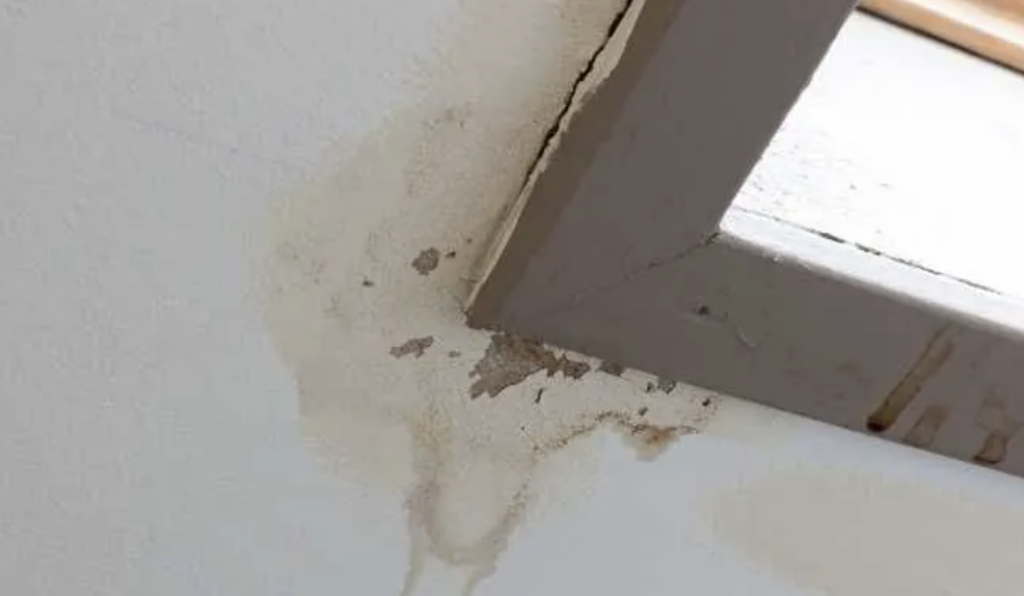
- Peeling paint beneath attic areas
- Discolored or swollen drywall
- Visible mold growth
The absence of dripping water does not mean the attic is dry. Slow leaks, condensation, and humidity-related moisture can produce persistent dampness without creating obvious standing water.
How to Help Prevent Attic Mold
Preventing attic mold starts with keeping attic materials dry.
The EPA summarizes the principle simply: control moisture to control mold.[8]
Useful preventive steps include:
- Repair roof leaks promptly
- Inspect the attic after known roof damage
- Make sure bathroom and kitchen exhaust systems vent outside
- Repair disconnected exhaust ducts
- Maintain HVAC condensate drains and pans
- Insulate appropriate ductwork to reduce condensation
- Investigate recurring ceiling stains
- Check insulation after water intrusion
- Address plumbing leaks promptly
- Seal significant air leakage pathways where appropriate
- Keep intended attic ventilation pathways clear
When materials do become wet, prompt drying is important. EPA guidance recommends drying wet or damp materials as quickly as practical and generally within approximately 24 to 48 hours when possible to help reduce mold-growth potential.[1]
When Professional Attic Mold Cleanup Makes Sense
Not every stain in an attic requires a major remediation project. However, professional evaluation becomes increasingly useful when:
- Visible mold covers a significant area
- Mold extends across multiple roof bays
- The attic has leaked repeatedly
- Insulation is wet or contaminated
- The source of moisture is unclear
- Mold keeps returning after cleaning
- Water has affected ceilings or walls below
- The attic is difficult to access safely
- Multiple building materials are affected
The goal is not merely to remove visible staining. Effective remediation considers the contaminated materials and the moisture condition that allowed the growth to occur.
PuroClean of West Antelope Valley’s attic mold cleanup in Palmdale service focuses on evaluating affected materials, identifying moisture-related conditions, cleaning or removing materials as appropriate, and helping homeowners move toward a lasting solution.
Attic Mold Causes FAQs
Can attic mold grow in Palmdale’s dry climate?
Yes. Mold depends on moisture at the material level, not simply the average outdoor climate. A localized roof leak, plumbing leak, HVAC condensate problem, or condensation condition can create sufficient moisture in an attic even when outdoor conditions are relatively dry.
Can an attic have mold without a roof leak?
Yes. Roof leaks are only one possible moisture source. Condensation, air leakage from the living space, improperly vented exhaust fans, HVAC problems, plumbing leaks, and high localized humidity can also contribute to attic mold.
Does poor attic ventilation cause mold?
Ventilation can be one part of attic moisture control, but the relationship depends on the home’s design and climate. Mold should not automatically be attributed to “poor ventilation” without first identifying the actual moisture source. Roof leaks, air leakage, exhaust systems, HVAC equipment, and condensation should all be considered.
Can a bathroom fan cause attic mold?
A bathroom fan can contribute to attic moisture if its exhaust duct terminates inside the attic, becomes disconnected, or leaks humid air before reaching the exterior. The fan itself is not the problem; the issue is where the moisture-laden air is discharged.
Can wet insulation cause mold?
Wet insulation can contribute to a mold problem by retaining moisture around other building materials and by becoming contaminated itself depending on the material. It may also conceal wet drywall, framing, or roof decking underneath.
Is black mold on roof decking always dangerous?
Color alone does not reliably identify a mold species or determine its significance. The practical concern is that visible growth indicates a moisture condition that should be evaluated and corrected. The CDC advises that all indoor mold growth should be addressed regardless of color or presumed type.[9]
Why does attic mold keep coming back?
Recurring attic mold usually means moisture is continuing to reach the affected materials. A recurring roof leak, condensation, air leakage, exhaust ventilation problem, HVAC issue, or another unresolved source may be allowing the conditions to return after cleaning.
Need Help Finding the Cause of Attic Mold in Palmdale?
If you have found mold, dark staining, damp insulation, condensation, or a persistent musty odor in your attic, identifying why the area became wet is an important part of solving the problem.
PuroClean of West Antelope Valley can evaluate affected attic materials and provide professional mold remediation when cleanup is necessary. If mold is already established, visit our Attic Mold Cleanup Palmdale service page for more information about the remediation process.
References
- U.S. Environmental Protection Agency — A Brief Guide to Mold, Moisture and Your Home
- Centers for Disease Control and Prevention — About Mold
- Centers for Disease Control and Prevention — Mold Clean Up Guidelines and Recommendations
- U.S. Environmental Protection Agency — Mold Course: Humidity and Condensation
- U.S. Department of Energy — Moisture Risk in Attics Due to Air Leakage Paths
- U.S. Environmental Protection Agency — Air Ducts, Insulation, and Moisture Control
- CDC/NIOSH — Mold in Buildings
- U.S. Environmental Protection Agency — Main Ways to Control Moisture in Your Home
- Centers for Disease Control and Prevention — Facts About Stachybotrys chartarum and Indoor Mold