 PuroClean of West Los Angeles
When you think of threats to your West Los Angeles home, you might picture earthquakes, wildfires, or break-ins. But there’s another danger lurking in the shadows—one that’s often invisible until it becomes a serious problem. Mold, the silent intruder, can quietly invade your home and impact both your property value and your family’s health in ways you might never expect.
In 2025, with West LA’s unique climate patterns, aging infrastructure, and evolving environmental challenges, understanding mold’s impact has become more critical than ever. This comprehensive guide will help you recognize, prevent, and address mold issues before they compromise your home and wellbeing.
Understanding Mold: The Basics Every West LA Homeowner Should Know

Mold is a type of fungus that thrives in moist, warm environments. It reproduces through microscopic spores that float through the air, seeking the perfect conditions to establish colonies. These spores are everywhere—indoors and outdoors—but they only become problematic when they find the right combination of moisture, warmth, and organic material to feed on.
Read Also: What Causes Mold in West Los Angeles Homes?
In West Los Angeles, several factors create ideal conditions for mold growth. The coastal proximity brings marine layer moisture, especially during the cooler months. Temperature fluctuations between day and night can create condensation issues. Additionally, many homes in the area were built decades ago, potentially harboring hidden moisture problems in aging plumbing, roofing, or foundation systems.
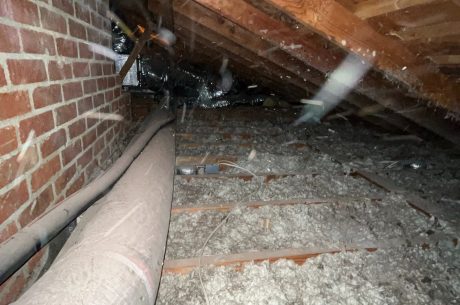
What makes mold particularly insidious is its ability to remain hidden. Unlike a leaky pipe or a cracked window, mold often grows in areas you can’t see—behind walls, under flooring, in air ducts, or in crawl spaces. By the time you notice the telltale signs like discoloration or musty odors, the problem may have already spread significantly.
West LA’s Unique Mold Challenges
West Los Angeles faces distinct environmental factors that can contribute to mold problems. The Mediterranean climate, while generally pleasant, creates specific challenges for homeowners. The marine layer that rolls in from the Pacific Ocean brings moisture that can penetrate homes, particularly those without proper ventilation systems.
The area’s proximity to the coast also means dealing with salt air, which can accelerate the deterioration of building materials and create entry points for moisture. Many West LA homes feature large windows and sliding glass doors to take advantage of ocean views, but these can become sources of condensation if not properly maintained.
Seasonal weather patterns play a role too. The rainy season, typically from November through March, can overwhelm inadequate drainage systems or reveal weaknesses in roofing and exterior walls. The dry, hot summers that follow can create rapid temperature changes that lead to condensation in poorly ventilated spaces.
Urban density in West LA also creates unique challenges. Closely spaced homes can limit air circulation, and shared walls in condominiums or townhomes mean that moisture problems in one unit can affect neighboring properties. The age of many buildings in desirable neighborhoods like Brentwood, Santa Monica, and Westwood means dealing with older construction standards that may not adequately address modern moisture control needs.
The Health Impact: When Your Home Makes You Sick
The health consequences of mold exposure can range from minor irritations to serious medical conditions, making it crucial for West LA families to understand the risks. Mold releases mycotoxins—toxic compounds that can trigger a variety of health responses in sensitive individuals.
Respiratory symptoms are among the most common health effects of mold exposure. These can include persistent coughing, wheezing, shortness of breath, and chest tightness. For individuals with asthma, mold exposure can trigger severe attacks and worsen overall respiratory function. The spores and mycotoxins can inflame the airways, making breathing difficult and uncomfortable.
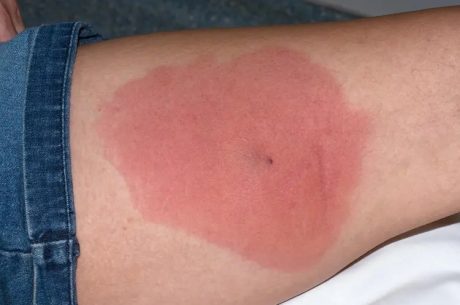
Allergic reactions represent another significant category of mold-related health problems. Symptoms can include sneezing, runny or stuffy nose, itchy or watery eyes, and skin rashes. What’s particularly concerning is that these symptoms can develop gradually, leading people to attribute them to other causes like seasonal allergies or stress.
Some individuals may experience more severe reactions, including fatigue, headaches, difficulty concentrating, and memory problems. These neurological symptoms can be particularly frustrating because they’re often dismissed or misattributed to other factors like work stress or lack of sleep.
Children and elderly family members face heightened risks from mold exposure. Children’s developing respiratory systems make them more susceptible to the effects of poor indoor air quality. Elderly individuals often have compromised immune systems that struggle to cope with the additional burden of mold-related toxins.
Read Also: Garage Fire Safety Tips for Los Angeles Homes in 2025: Protecting Your Property and Loved Ones
People with existing health conditions face compounded risks. Those with compromised immune systems, chronic lung diseases, or autoimmune disorders may experience more severe reactions to mold exposure. In some cases, prolonged exposure can lead to serious infections, particularly in individuals with weakened immune systems.
Property Damage: The Hidden Costs of Mold
Beyond health concerns, mold can cause extensive and expensive property damage that significantly impacts your home’s value and your financial wellbeing. Understanding these potential costs is essential for West LA homeowners, where property values are substantial and maintenance expenses can quickly escalate.
Structural damage represents one of the most serious consequences of unchecked mold growth. Mold feeds on organic materials commonly found in homes, including wood framing, drywall, insulation, and subflooring. Over time, this can weaken structural elements, leading to sagging floors, warped walls, or even compromise the integrity of load-bearing components.
The cosmetic damage caused by mold can be equally problematic. Visible mold growth creates unsightly stains and discoloration that can be difficult or impossible to clean completely. In severe cases, affected materials may need complete replacement, including flooring, wall coverings, and even furniture or personal belongings.
Air quality systems can become contaminated when mold spores infiltrate HVAC systems. This not only spreads the problem throughout the home but can also require expensive cleaning or replacement of ductwork, air handlers, and filtration systems. In West LA’s competitive real estate market, poor indoor air quality can significantly impact a property’s marketability.
The financial impact extends beyond immediate repair costs. Insurance coverage for mold damage is often limited or excluded entirely, leaving homeowners responsible for expensive remediation efforts. Property values can suffer when mold problems become known, and disclosure requirements may complicate future sales.
Professional mold remediation in West LA can cost anywhere from several thousand dollars for minor issues to tens of thousands for extensive problems. The process often involves containment procedures, specialized equipment, and sometimes temporary relocation expenses while work is completed.
Identifying Mold in Your West LA Home
Early detection is crucial for minimizing both health risks and property damage. Knowing what to look for can help you catch mold problems before they become major issues requiring extensive remediation.
Visual signs are often the first indicators of mold problems. Look for discoloration on walls, ceilings, or floors, particularly in areas prone to moisture like bathrooms, kitchens, basements, or areas around windows. Mold can appear in various colors—black, green, brown, or even pink or orange—and may look fuzzy, slimy, or powdery depending on the type and growing conditions.
Musty odors often indicate mold presence even when it’s not visible. This distinctive smell is caused by microbial volatile organic compounds released by growing mold colonies. Pay attention to persistent odors, especially in enclosed spaces like closets, cabinets, or rooms that are kept closed for extended periods.
Physical symptoms that improve when you leave the house and worsen when you return can indicate indoor mold problems. Keep track of when family members experience respiratory symptoms, headaches, or allergic reactions to identify potential connections to your home environment.
Water damage indicators can signal conditions conducive to mold growth. Look for water stains, peeling paint or wallpaper, warped or buckling floors, or any signs of past or present moisture intrusion. Even minor leaks can create enough moisture to support mold growth if not addressed promptly.
Check areas prone to condensation, including windows, pipes, and air conditioning units. Look for droplets of water, frost, or mineral deposits that might indicate ongoing moisture issues. Pay particular attention to areas with poor ventilation or air circulation.
Prevention Strategies for West LA Homes
Preventing mold growth is far more cost-effective and less disruptive than dealing with established infestations. A proactive approach focusing on moisture control and proper home maintenance can help keep your West LA home mold-free.
Moisture control forms the foundation of mold prevention. Keep indoor humidity levels between 30 and 50 percent using dehumidifiers or air conditioning systems as needed. In West LA’s coastal climate, this may require year-round attention to humidity levels, particularly during the marine layer season.
Ensure proper ventilation throughout your home. Use exhaust fans in bathrooms and kitchens to remove moisture at its source. Open windows when weather permits to promote air circulation. Consider installing additional ventilation in areas prone to moisture accumulation, such as basements, crawl spaces, or laundry rooms.
Address water intrusion promptly. Repair leaks immediately, whether from plumbing, roofing, or exterior walls. Clean and dry water-damaged areas within 24-48 hours to prevent mold establishment. This quick response time is critical because mold can begin growing within 24-48 hours of moisture exposure.
Maintain your home’s exterior to prevent water intrusion. Clean gutters regularly to ensure proper drainage. Inspect and maintain caulking around windows and doors. Ensure proper grading around your foundation to direct water away from the structure. In West LA’s hilly terrain, proper drainage is particularly important.
Choose mold-resistant materials when renovating or repairing. Mold-resistant drywall, paints, and flooring materials can provide additional protection in moisture-prone areas. Consider using materials like ceramic tile or luxury vinyl in bathrooms and basements instead of carpet or traditional hardwood.
Regular maintenance and inspection can catch problems early. Inspect your home seasonally for signs of moisture intrusion or damage. Check plumbing regularly for leaks or damage. Maintain HVAC systems according to manufacturer recommendations, including regular filter changes and ductwork cleaning.
When to Call Professionals
While minor mold issues might be addressed through DIY efforts, many situations require professional intervention to ensure safe and effective remediation. Understanding when to call experts can save you time, money, and protect your family’s health.
Extensive contamination requires professional attention. If mold covers more than 10 square feet, or if it’s present in HVAC systems or structural materials, professional remediation is typically recommended. The complexity of proper containment and removal procedures makes professional intervention essential for larger problems.
Hidden mold poses particular challenges that benefit from professional expertise. Mold growing inside walls, under flooring, or in other inaccessible areas requires specialized equipment and techniques for safe removal. Professionals have the tools and knowledge to address these hidden problems without spreading contamination.
Health concerns should prompt professional consultation. If family members are experiencing persistent symptoms that might be mold-related, professional assessment can help identify and address the source. This is particularly important for vulnerable individuals like children, elderly family members, or those with compromised immune systems.
Insurance and legal considerations may require professional documentation. Many insurance claims for mold damage require professional assessment and remediation. If you’re selling your home or dealing with disclosure requirements, professional inspection and documentation can provide necessary legal protection.
Conclusion: Taking Action in 2025, Call PuroClean of West Los Angeles

Mold doesn’t have to be an inevitable part of homeownership in West Los Angeles. With proper awareness, prevention strategies, and prompt action when problems arise, you can protect both your property investment and your family’s health. The key is understanding that mold prevention is an ongoing process that requires attention to moisture control, proper ventilation, and regular home maintenance.
As we navigate 2025’s environmental challenges, from changing weather patterns to aging infrastructure, staying vigilant about mold risks becomes increasingly important. The investment in prevention—through proper ventilation, moisture control, and regular maintenance—is far less than the cost of dealing with established mold problems.
If you suspect mold issues in your West LA home, don’t wait. Early intervention is always more effective and less expensive than dealing with extensive contamination. Whether through professional inspection or immediate action to address moisture sources, taking steps now can save you significant problems later.
Your home should be a sanctuary that supports your health and wellbeing. By understanding and addressing the silent threat of mold, you can ensure that your West LA home remains the safe, healthy environment your family deserves. Don’t let this silent intruder compromise your most important investment—your home and your health.
 PuroClean of West Los Angeles