


Water damage is a common problem that many homeowners face. Whether it’s caused by a burst pipe, a leaky roof, or a natural disaster, water can wreak havoc on your home. The sudden intrusion of water can lead to significant damage if not addressed promptly.
If you’re dealing with water damage, you might be wondering if you can tackle the repairs yourself. While some situations may allow for DIY repairs, others might necessitate professional intervention. Let’s explore what you need to know about water extraction, water restoration, and water damage repair.
Types of Water Damage
Water damage is classified into three categories, each with its own challenges and health implications:
- Category 1: Clean Water – This is water from a clean source, like a broken water supply line or a leaking faucet. It’s the easiest type of water damage to handle because it doesn’t pose an immediate health risk.
- Category 2: Gray Water – This water is slightly contaminated and can come from sources like washing machine overflows or toilet leaks. It can cause illness if ingested.
- Category 3: Black Water – This is highly contaminated water, often from sewage backups or floodwaters. It contains harmful bacteria and pathogens and requires professional handling.
Knowing the category of water damage you’re dealing with is essential in determining if you can repair it yourself. Each category requires different safety measures and cleaning techniques, so understanding these distinctions can guide your decision-making process.
The Water Extraction Process
Water extraction is the first step in addressing water damage. It involves removing standing water from your home. This step is crucial as stagnant water can lead to further damage, such as structural weakening and mold growth.
For minor leaks or small amounts of water, you can use a wet/dry vacuum or mop and bucket. However, for significant water accumulation, you’ll need specialized equipment like submersible pumps.
DIY Water Extraction Tips
- Safety First: Before you start, ensure the electricity is turned off in the affected area to prevent electric shock. Water and electricity are a dangerous mix, and taking this precaution can prevent accidents.
- Use the Right Tools: A wet/dry vacuum is useful for small jobs. For larger jobs, consider renting a water pump. Ensure that all equipment is in good working condition and appropriate for the task at hand.
- Remove Soaked Items: Carpets, rugs, and furniture that are soaked should be removed from the area to dry. This not only helps in drying the space more efficiently but also prevents further damage to your belongings.
For extensive water damage, call professionals who have the equipment and expertise to handle the situation efficiently. They can ensure all water is extracted, minimizing the risk of lingering moisture that can lead to mold and other issues.
Water Restoration: Bringing Your Home Back to Life

Once the water is removed, the next step is water restoration. This involves drying out the affected areas and repairing any damage caused by the water. Water restoration is a critical phase as it helps in preventing long-term issues such as mold growth, structural damage, and deterioration of materials.
DIY Water Restoration Steps
- Dry the Area: Use fans and dehumidifiers to circulate air and remove moisture. Open windows and doors if the weather permits. Airflow is crucial for effective drying and can significantly expedite the process.
- Inspect for Mold: Mold can begin to grow within 24-48 hours. Check for any signs of mold and clean with a mixture of water and detergent. Mold not only damages materials but can also pose health risks, so thorough inspection is vital.
- Repair Damaged Areas: This might involve patching drywall, replacing insulation, or fixing flooring. Addressing these repairs promptly can prevent further deterioration and maintain the integrity of your home.
When to Call Professionals
While small-scale water restoration can be a DIY project, certain situations require professional intervention:
- Extensive Damage: If large areas are affected or if structural elements like walls or floors are compromised, professional help is advised. They can assess the damage accurately and ensure comprehensive restoration.
- Mold Infestation: If you discover significant mold growth, it’s vital to call professionals who can safely remove it. Mold remediation specialists have the tools and knowledge to handle mold safely and effectively.
- Black Water: Category 3 water damage should always be handled by professionals due to health risks. Proper containment and cleanup are crucial to avoid health hazards.
Water Damage Repair: Fixing the Aftermath
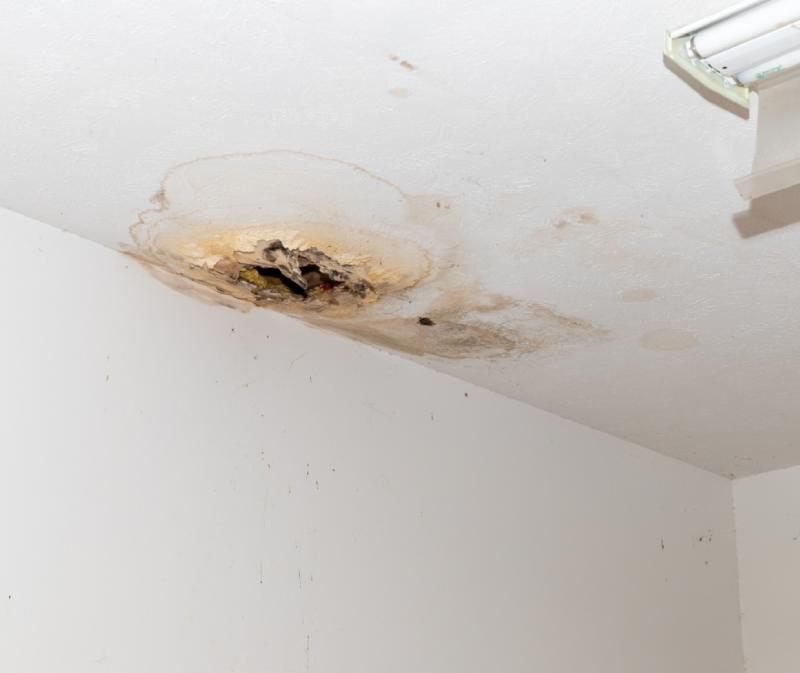
Water damage repair involves fixing or replacing damaged materials and restoring your home to its original state. This can include various tasks depending on the extent of the damage and the areas affected:
- Drywall Repair: Replace water-damaged drywall and repaint. This helps restore the aesthetic appeal and structural integrity of your walls.
- Flooring Replacement: Carpeting, wood, or laminate flooring might need to be replaced. Different materials have different drying and repair requirements, so choose the right approach for each type.
- Electrical and Plumbing: Ensure that all electrical systems are safe and plumbing is intact. Water can severely impact these systems, so thorough inspection and repair are essential.
DIY Repair Tips
- Assess the Damage: Determine which materials can be salvaged and which need replacement. An accurate assessment can save time and resources by focusing efforts where they’re most needed.
- Use Quality Materials: When replacing materials, opt for water-resistant options to prevent future issues. This proactive approach can provide long-term protection against similar problems.
- Follow Local Codes: Ensure that any repairs or replacements comply with local building codes. This not only ensures safety and quality but also protects against potential legal issues.
Can You Do It Yourself?
Deciding whether to tackle water damage repair on your own depends on several factors:
- Extent of Damage: Minor water damage can often be addressed with DIY methods, but extensive damage might require professional help. Assessing the scope of damage accurately is crucial in making this decision.
- Category of Water: Clean water damage is more manageable, while gray or black water requires caution and expertise. Understanding the risks associated with each category can guide whether DIY or professional intervention is appropriate.
- Time and Resources: DIY repairs take time and require the right tools and materials. Evaluating your capacity to handle the task effectively can prevent further complications.
While minor water damage may seem manageable on your own, knowing when to call in the professionals can make all the difference. PuroClean of West Phoenix has the training, equipment, and experience to restore your home quickly and safely, preventing further damage and protecting your property.
Don’t risk delays or incomplete repairs. Contact PuroClean of West Phoenix at the first sign of water damage for fast, professional service. We’re here to help you restore peace of mind and get your home back to normal. Call us today!
