


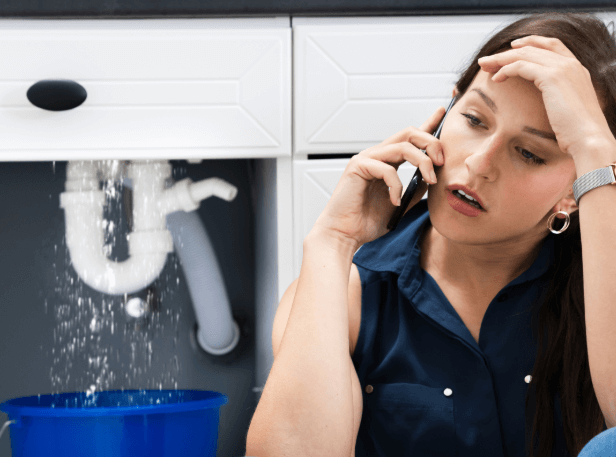
Water damage can strike any home, at any time. It’s a homeowner’s nightmare, causing untold stress and damage.
The first 24 hours after water damage are crucial as quick action can mitigate the impact and prevent further damage.
But what should you do? How do you start the water damage cleanup and recovery process?
This guide will walk you through the steps. From safety precautions to contacting your insurance company, we’ve got you covered.
We’ll also delve into the role of professional water restoration services. You’ll learn about the water restoration process and how it can help restore your home.
So, let’s dive in. Here’s what every homeowner needs to know about the first 24 hours after water damage.
Immediate Response: Safety First
Safety is your top priority after water invades your home. Before addressing it, ensure the area is safe.
Begin by turning off the electricity. Water and electricity are a dangerous combination that can cause electrocution.
Avoid entering water-soaked areas unless you are sure it’s safe. Wear protective gear like gloves and boots to protect against hazards.
Check for structural damage. If there are signs of instability, wait for professional assistance.
Ensure you secure children and pets. Keep them away from hazardous areas to prevent accidents and injuries.
Assessing the Damage and Initial Cleanup
Once safety is secured, it’s time to assess. Quickly identify the source and stop it if possible, whether it’s a pipe or an appliance.
Evaluate the extent of the damage. This step helps guide the initial cleanup and recovery process.
Start the initial cleanup by moving undamaged items to a safe location. Protect them from further water exposure.
Here’s a quick checklist to aid in assessment:
- Identify the water source and stop it
- Check the extent of water saturation
- Move unharmed items to a secure area
- Document the damage for insurance
- Begin to remove standing water promptly
These initial steps can make a big difference. A prompt response can reduce damage and costs in the long run.
Contacting Your Insurance Company
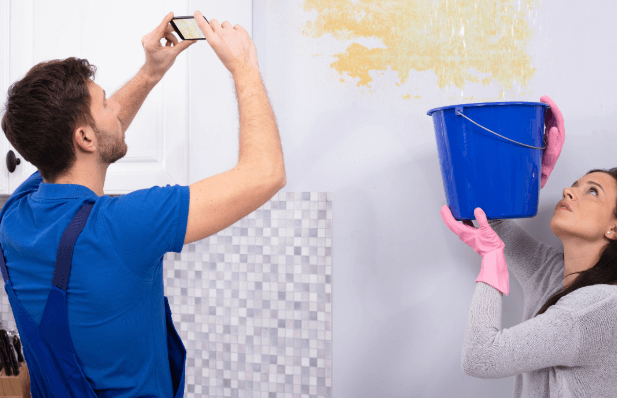
Once water damage occurs, notify your insurance company swiftly. Delaying the claim process can complicate recovery.
Initiate the claims process by calling your insurance provider. Provide them with the necessary details of the water situation.
Ask specific questions about coverage. Understand what’s included in your policy for recovery.
You might need to meet with the insurance adjuster. Be prepared to discuss the extent of damage and necessary repairs.
Keep communication open with your insurance representative throughout. Clear communication ensures smooth claims and recovery processes.
Documenting the Damage for Claims
Thorough documentation supports a successful insurance claim. This step is crucial for efficient recovery.
Start by taking detailed photographs and videos. Capture clear images of the damage from multiple angles.
Make a comprehensive list of damaged items. Include their descriptions, purchase dates, and estimated values to help with the claim.
Organize all receipts for purchases made post-damage. This includes any emergency repairs or temporary relocation expenses incurred.
Here’s a quick checklist to aid in damage documentation:
- Capture photos and videos of the damage
- Create a detailed inventory of damaged items
- Keep receipts for immediate repairs
- Note any communication with insurers
- Maintain a record of all interactions and updates
Good documentation practices ease the claims process and expedite recovery efforts.
Water Removal and Drying Out Your Home
After documenting the damage, focus on removing the water. This step is vital to prevent further harm to your property.
Begin the water removal process as soon as possible. Use pumps, wet vacuums, and towels for effective water extraction.
Once water is removed, drying out the home is next. Proper drying prevents mold and structural issues.
Ventilation is crucial during drying. Open windows and doors if weather permits; use fans to enhance airflow.
Equip your home with dehumidifiers to manage moisture. This speeds up drying and prevents future mold growth.
Here’s a water removal checklist to guide you:
- Use pumps for standing water
- Apply wet vacuums for small areas
- Open windows and doors for airflow
- Deploy fans to accelerate drying
- Utilize dehumidifiers for moisture control
Quick water removal and drying are essential steps in water damage restoration. Act promptly to safeguard your home.
Professional Water Restoration Services
Sometimes, the scale of damage requires experts. Engaging professional water restoration services is prudent when damage is extensive.
Professionals have specialized equipment. They use advanced tools for efficient water extraction and drying.
Certified technicians ensure thorough inspections. They assess hidden moisture and structural damage effectively.
Expert water restoration also involves sanitation. Professionals sanitize affected areas to prevent health hazards.
Choosing a reputable company is crucial. Verify credentials and experience before hiring water restoration services.
Professional restoration ensures comprehensive recovery. Their expertise accelerates the return to normalcy.
Preventing Mold and Further Damage

Mold can develop rapidly after water damage. It often appears within 24 to 48 hours if not addressed.
To prevent mold, begin by thoroughly drying all areas. Focus on walls, floors, and hidden spots, such as behind appliances.
Good ventilation hinders mold growth. Keep air moving and humidity low to discourage mold spores.
Use mold inhibitors available in cleaning products. These are essential in the water damage clean-up process.
Inspect your home regularly for signs of mold. Early detection is key in avoiding extensive water damage recovery work.
Salvaging and Disinfecting
Some items can be saved after water exposure. Quickly assess belongings to determine what can be restored.
Start with items made of non-porous materials. These have a better chance of successful restoration.
For porous items like carpets, use discretion. Decide if they are worth professional cleaning or need replacing.
Disinfecting affected areas is crucial. Use bleach solutions to eliminate bacteria and prevent health risks.
Focus on high-touch surfaces. Ensure thorough cleaning to ensure your living environment remains safe post-damage.
Planning for Recovery and Restoration
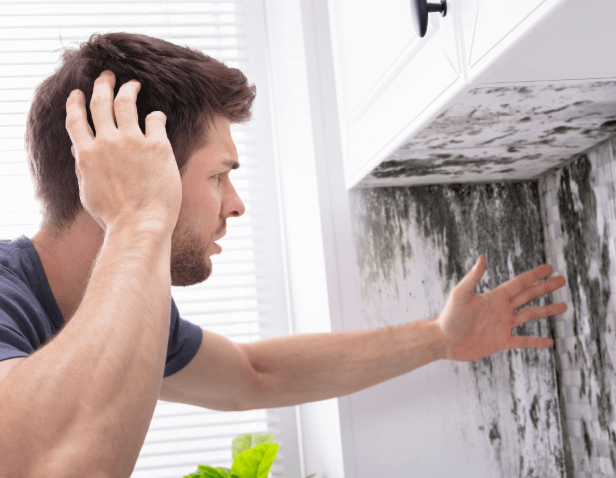
Prepare for the next steps after water damage. Recovery is a process that requires proper planning and patience.
Establish a clear timeline. Determine which tasks need tackling immediately and what can wait.
Communicate with professionals. Their guidance will streamline your recovery and minimize disruption.
Understanding the Water Restoration Process
The water restoration process can be complex. It’s essential to understand the stages involved.
Assessment is the first step. Professionals will evaluate the extent of the water damage.
Next is water removal. This requires specialized equipment to extract standing water efficiently.
Drying and dehumidification follow. This phase eliminates moisture to prevent further damage.
Lastly, cleaning and sanitizing restore the home’s livable condition, eliminating contaminants and bacteria.
The Importance of Being Prepared
Water damage is a challenging ordeal. However, being prepared can significantly ease the stress and mitigate potential losses.
Having a clear action plan is vital. Know the steps and who to contact in emergencies.
Preparation ensures a smoother recovery process. It safeguards your property and peace of mind.
For professional emergency water damage restoration services in Phoenix, contact PuroClean of West Phoenix today!
