


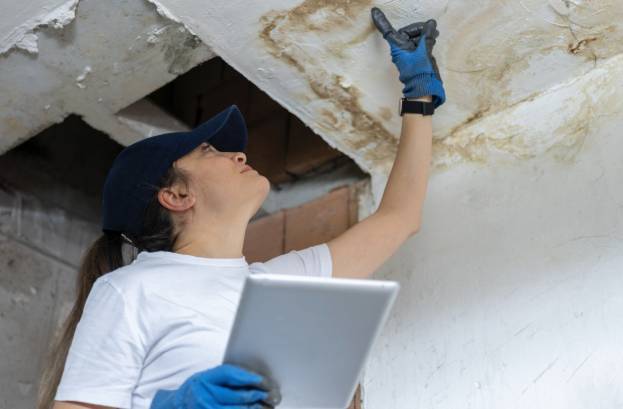
Water damage is a widespread issue among homeowners in Phoenix, a city characterized by its unique climate and infrastructure. The arid climate, juxtaposed with seasonal monsoons, creates conditions ripe for water-related issues. Understanding these potential causes and implementing preventive strategies is essential for safeguarding your home.
Water damage not only leads to expensive repairs but can also compromise the structural integrity of your dwelling. This article delves into the prevalent causes of water damage in Phoenix homes and offers practical tips to prevent such incidents.
Common Causes of Water Damage in Phoenix
1. Monsoon Rainfall
Phoenix experiences a dramatic monsoon season, typically from June to September, bringing intense and sudden downpours. These heavy rains can quickly overpower the city’s drainage systems, leading to flooding and subsequent water damage in residential areas. Homes in lower-lying regions or with inadequate drainage systems are particularly vulnerable during this period. Regularly inspect and maintain your home’s drainage infrastructure to mitigate these risks.
- Regularly inspect and clean gutters and downspouts to ensure they are free of debris. Clogged gutters can cause water to overflow and seep into your home’s foundation, leading to significant structural damage.
- Install a sump pump in your basement or crawl space to manage excess water. Sump pumps are especially useful in preventing water accumulation during heavy rains.
- Consider landscaping your yard to direct water away from your home’s foundation. Grading the land around your home can be an effective measure to ensure that water flows away rather than pooling near the structure.
2. Plumbing Leaks
Plumbing leaks are pervasive, often resulting in hidden water damage that can escalate over time. Whether caused by a burst pipe or a slow leak, these plumbing issues can cause significant damage if not promptly addressed.
Homeowners should remain vigilant for signs of plumbing issues to prevent extensive damage.
- Regularly inspect pipes for signs of wear and tear, such as rust or corrosion. Early detection of these signs can help prevent leaks before they cause extensive damage.
- Install water leak detectors in key areas like the kitchen, bathroom, and basement. These devices can alert you to leaks in real time, allowing for swift action.
- Have a professional plumber conduct an annual inspection of your home’s plumbing system. Regular inspections can identify potential problems before they develop into costly repairs.
3. Faulty Appliances
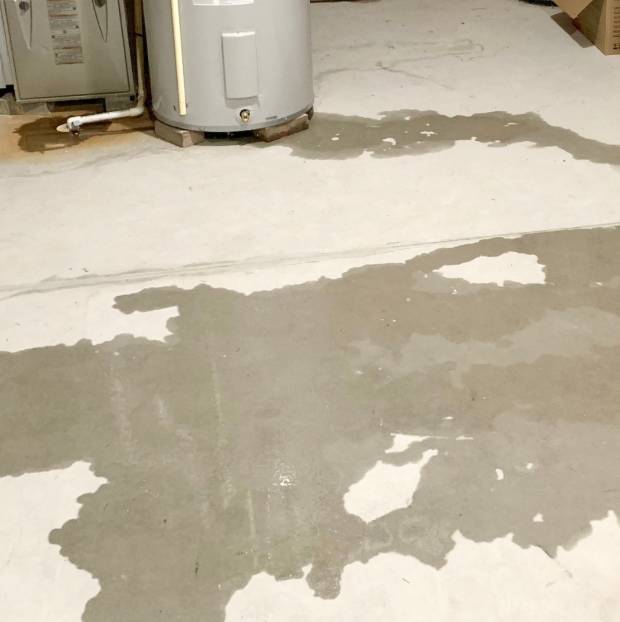
Household appliances, such as washing machines, dishwashers, and refrigerators, can become sources of leaks, especially as they age or if not maintained properly. These leaks often go unnoticed until they have already caused significant damage.
To prevent appliance-related water damage, proactive maintenance is crucial.
- Inspect hoses and connections on appliances regularly for signs of damage or leaks. Catching these signs early can prevent unexpected failures.
- Replace rubber hoses with more durable stainless steel braided hoses. These hoses are more resistant to wear and tear, reducing the likelihood of leaks.
- Follow manufacturer maintenance guidelines for all household appliances. Regular maintenance can extend the life of your appliances and prevent malfunctions that lead to leaks.
4. Roof Damage
Roof damage is a common source of water infiltration, often resulting from severe weather events or gradual degradation over time. A compromised roof can allow water to enter your home, leading to extensive damage.
To protect your home from roof-related water damage, regular maintenance is key.
- Conduct regular roof inspections, especially after storms. Identifying and repairing damage early can prevent water from entering your home.
- Repair any loose or damaged shingles immediately. Prompt repairs can prevent small issues from becoming major problems.
- Ensure proper attic ventilation to reduce heat buildup and prevent roof deterioration. Good ventilation can extend the lifespan of your roof and reduce the risk of leaks.
Emergency Water Restoration Services
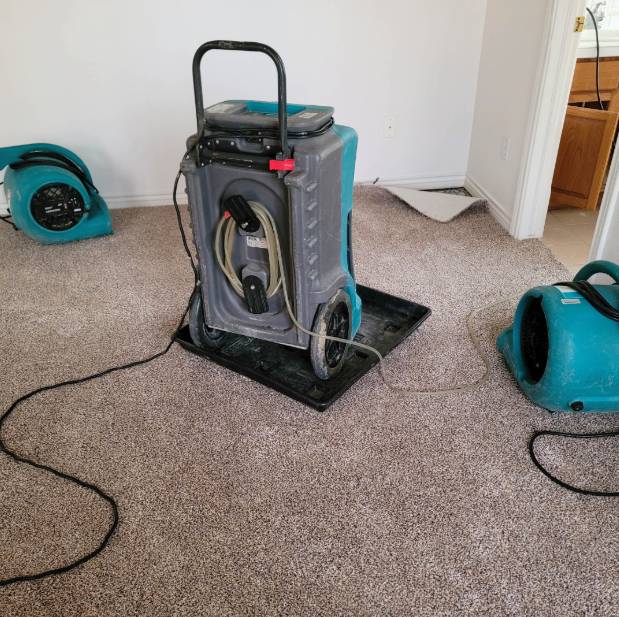
When water damage occurs, acting quickly is crucial to minimize the impact. Emergency water restoration services are vital in mitigating damage and restoring your home to its original condition. These services offer comprehensive solutions that address both immediate and long-term needs.
Benefits of Professional Water Restoration
Professional water restoration services provide several advantages that are crucial in the aftermath of water damage.
- Fast Response: Professionals are equipped to respond quickly to emergencies, reducing the extent of the damage. This rapid response can prevent further deterioration and reduce repair costs.
- Advanced Equipment: Restoration services use specialized equipment to remove water and dry out affected areas efficiently. This technology can reach areas that are difficult to dry using conventional methods.
- Comprehensive Restoration: Experts can handle everything from water extraction to mold remediation, ensuring your home is safe and healthy. Their expertise ensures that all aspects of water damage are addressed thoroughly.
Choosing a Water Damage Restoration Service
Selecting the right water damage restoration service is crucial for effective recovery. Here are key factors to consider:
- Experience and Reputation: Look for companies with a proven track record and positive customer reviews. A reputable company is more likely to deliver quality service.
- Certification: Ensure the company is certified by the Institute of Inspection, Cleaning and Restoration Certification (IICRC). Certification indicates adherence to industry standards.
- 24/7 Availability: Water damage can occur at any time, so choose a service that offers round-the-clock availability. Immediate access to services can minimize damage.
Water Damage Solutions and Repair
Once the immediate threat of water damage is addressed, focusing on repairs and long-term solutions is critical to prevent future incidents. Properly addressing damage can restore your home and protect it from recurring issues.
Structural Repairs
Depending on the severity of the damage, structural repairs may be necessary. This can include repairing walls, floors, and ceilings that have been compromised by water. Ensuring these repairs are done correctly is vital for maintaining your home’s integrity.
Tips for Structural Repairs:
- Hire a licensed contractor to assess and repair structural damage. Professional evaluation ensures that all issues are identified and addressed.
- Use water-resistant materials for repairs to reduce the risk of future damage. These materials can offer added protection against future water exposure.
- Regularly inspect repaired areas for signs of new water damage. Ongoing vigilance can catch new issues early, preventing further damage.
Mold Prevention and Remediation
Water damage can lead to mold growth, which poses health risks and can further damage your home. Addressing mold proactively is essential for maintaining a safe living environment.
Mold Prevention Tips:
- Keep humidity levels in your home below 60% using dehumidifiers and air conditioners. Controlling humidity is a key factor in preventing mold growth.
- Dry wet areas immediately to prevent mold growth. Prompt action can stop mold before it starts.
- Use mold-resistant products when renovating or building. These products can provide an additional layer of protection against mold.
Conclusion
Water damage is a serious concern for homeowners in Phoenix, but with proper prevention and timely intervention, it can be managed effectively. By understanding the common causes of water damage and implementing preventive measures, you can protect your home and avoid costly repairs. Remember, professional water restoration services are invaluable in emergencies, offering immediate relief and long-term solutions.
Keep your home safe and dry by staying proactive about maintenance and repairs. For further assistance, contact our team at PuroClean of West Phoenix for expert advice and support. Regular maintenance and vigilance can make all the difference in preserving the integrity and safety of your home.
