


Water damage and mold damage are closely connected, but they are not the same thing—and understanding the difference can save Phoenix property owners significant time, money, and stress. In many cases, mold is the direct result of untreated water damage, which means knowing how each issue develops (and how to respond) is critical for protecting your home or business.
What Is Water Damage?
Water damage occurs when unwanted water enters a property and begins to affect building materials and personal belongings. In Phoenix, this can happen more often than people expect due to:
- Monsoon storms causing roof leaks or flooding
- Burst or leaking pipes
- Slab leaks (common in Arizona homes)
- Appliance failures (water heaters, washing machines, dishwashers)
- HVAC condensation issues
Water damage can range from minor (a small leak under a sink) to severe (flooding throughout a property). The key factor is moisture—once materials like drywall, wood, or carpet absorb water, they begin to deteriorate quickly.
If addressed immediately, water damage can often be contained and fully restored without long-term consequences.
What Is Mold Damage?
Mold damage occurs when mold begins to grow and spread in a property, typically as a result of excess moisture. Mold spores are always present in the air, but they only become a problem when they find the right conditions—moisture, warmth, and organic material to feed on.
In a climate like Phoenix, many people assume mold isn’t a major concern due to the dry environment. However, indoor moisture from leaks or flooding can create perfect conditions for mold growth, especially in enclosed spaces like walls, attics, or under flooring.
Mold can begin forming within 24 to 48 hours after water exposure. Once it spreads, it can:
- Damage structural materials
- Produce strong, persistent odors
- Impact indoor air quality
- Trigger respiratory issues and allergies
The Key Differences Between Water Damage and Mold Damage
While the two are related, there are important distinctions:
Cause
- Water damage is caused by excess water entering the property
- Mold damage is caused by prolonged moisture that allows mold to grow
Timeline
- Water damage happens immediately after an incident
- Mold damage develops over time if moisture isn’t properly removed
Visibility
- Water damage often shows visible signs like stains, warping, or pooling
- Mold may be hidden behind walls, under floors, or in HVAC systems
Type of Damage
- Water damage affects materials through saturation and weakening
- Mold damage involves biological growth that spreads and contaminates surfaces
Health Risks
- Water damage alone is mostly a structural issue
- Mold damage can introduce air quality concerns and health symptoms
How Water Damage Turns Into Mold Damage
This is where the two problems overlap. If water damage is not properly addressed—especially if moisture is left behind—mold growth is almost inevitable.

For example:
- A small pipe leak behind a wall goes unnoticed → drywall stays damp → mold begins growing inside the wall cavity
- Flooded carpet is dried on the surface but not underneath → trapped moisture → mold develops in padding and subfloor
- Roof leak during monsoon season → attic insulation absorbs moisture → hidden mold spreads
This is why professional water damage restoration focuses heavily on thorough drying, not just visible cleanup.
Why This Matters for Phoenix Property Owners
Phoenix’s climate creates a false sense of security when it comes to mold. While outdoor humidity is low, indoor conditions can still support mold growth if water damage occurs.
Here’s why understanding the difference matters:
- Faster response = lower costs
Addressing water damage immediately prevents mold, which is more complex and expensive to remove. - Hidden risks are common
Many Phoenix homes have slab foundations and enclosed wall systems where moisture can remain undetected. - Insurance implications
Water damage from sudden incidents is often covered, while mold damage may be limited or excluded if it’s considered preventable. - Health protection
Mold can affect air quality, which is especially important for families with allergies or respiratory conditions.
Signs You May Have Water Damage (Before Mold Starts)
- Water stains on ceilings or walls
- Warped flooring or bubbling paint
- Musty odors starting to develop
- Unexplained increase in humidity indoors
Signs Mold May Already Be Present
- Persistent musty smell
- Dark or discolored spots on surfaces
- Increased allergy symptoms indoors
- Peeling or cracking materials in damp areas
The Importance of Professional Restoration
Many property owners underestimate how much moisture can remain after a water incident. Even if surfaces feel dry, hidden moisture can lead to mold growth days or weeks later.
Professional restoration services, like those from PuroClean of West Phoenix, use:
- Moisture detection tools to find hidden water
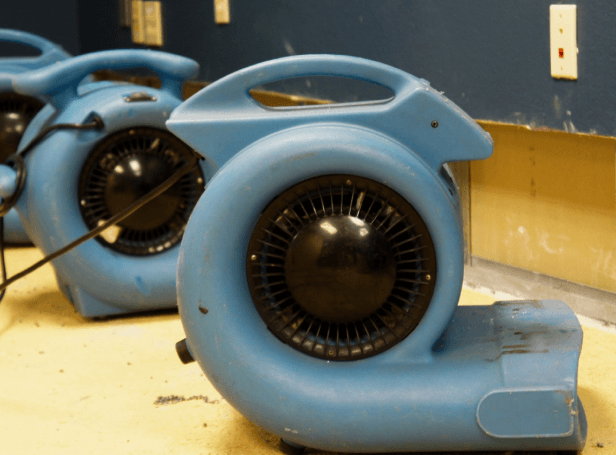
- Industrial drying equipment
- Dehumidification systems
- Antimicrobial treatments to prevent mold growth
If mold is already present, a separate remediation process is required to safely remove and contain it.
Final Thoughts
Water damage and mold damage are two sides of the same problem—but timing is everything. Water damage is the starting point, and mold is what happens when it’s not handled correctly.
For Phoenix property owners, the key takeaway is simple:
Act fast, dry thoroughly, and don’t assume the problem is gone just because the surface looks clean.
If you’ve experienced water damage or suspect hidden moisture in your property, addressing it early can prevent a much bigger issue down the line.
