


In this article, we’ll guide you through the process of dealing with water-damaged upholstery and furniture. We’ll cover everything from identifying the extent of the damage to deciding whether you should handle the repairs yourself or hire professional water restoration services. Armed with the right knowledge and tools, you can tackle the challenge of water damage with confidence and care.
Identifying Water Damage
Before you start any repair work, assess the extent of the water damage. Not all water damage is immediately visible, and recognizing the early signs can save you time and resources. Here are a few signs to look out for:
- Discoloration: Water stains often appear as dark spots on fabric or wood, indicating that moisture has penetrated the material. These spots can expand over time if the source of the moisture is not addressed.
- Odor: A musty smell can indicate mold or mildew growth, which can pose health risks and further degrade the material. Pay attention to any unusual smells, as they can be an early warning sign of underlying issues.
- Warping: Wood can swell or warp due to water exposure, affecting the piece’s stability and appearance. Warped wood may also signal deeper issues like rot, which can be more challenging to repair.
- Loose Joints: Water can weaken the glue, causing furniture joints to loosen and compromising the structural integrity of the piece. Check for wobbly legs or creaky joints, which can indicate water-related damage.
Once you’ve identified the damage, you can move on to the next steps. Understanding the extent of the problem will help you determine the best course of action, whether it’s a simple DIY repair or professional intervention.
Immediate Actions to Take
When dealing with water-damaged upholstery and furniture, acting quickly is essential. The longer water sits, the more damage it can cause, so immediate action can significantly improve your chances of salvaging your furniture. Here are some immediate steps you should take:
Remove Excess Water
The first step is to remove as much water as possible. Use towels or a wet/dry vacuum to absorb excess moisture. The faster you remove the water, the better your chances of preventing further damage. Be thorough, ensuring you reach into crevices and under cushions where water can hide and cause ongoing issues.
Air Dry
Once you’ve removed excess water, place the furniture in a well-ventilated area to air dry. Use fans or dehumidifiers to speed up the drying process, ensuring that all parts of the furniture are exposed to airflow. Avoid using heat, as it can cause the wood to crack or warp, leading to additional problems. Moving furniture outdoors on a dry, sunny day can also be effective, but be mindful of direct sunlight, which can bleach fabrics and finishes.
Prevent Mold and Mildew
Mold and mildew thrive in damp environments, so it’s crucial to dry the furniture thoroughly. You can also use a mixture of water and vinegar to wipe down surfaces and prevent mold growth. Vinegar is a natural mold inhibitor and can help neutralize odors, leaving your furniture fresh. For added protection, consider applying an anti-fungal spray available at most home improvement stores.
Repairing Water-Damaged Upholstery
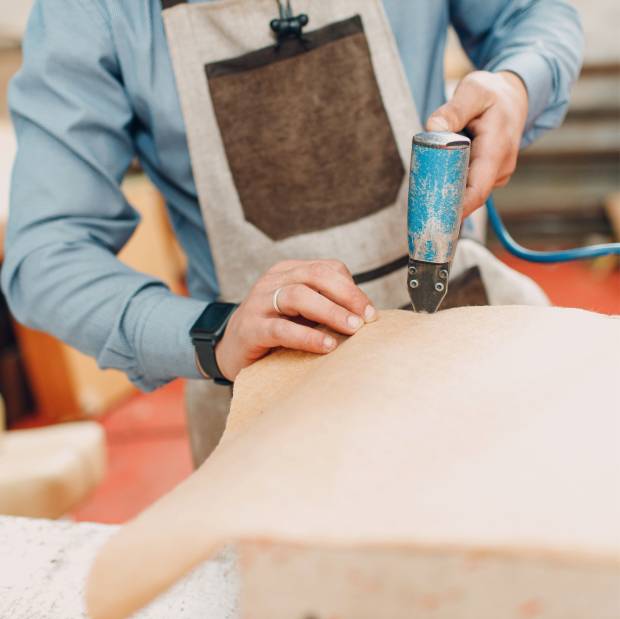
Now that your furniture is dry, it’s time to assess the damage and begin repairs. Upholstery, being fabric-based, often requires a careful approach to cleaning and restoration. Here are some steps you can take to repair water-damaged upholstery:
Cleaning the Fabric
If the fabric is stained, use a fabric cleaner suitable for the type of upholstery. Test the cleaner on a small, inconspicuous area first to ensure it doesn’t damage the fabric. This step is crucial, as some cleaners can cause fading or further deterioration. Once tested, gently clean the stained areas, taking care not to soak the fabric, which can lead to further damage.
Replacing Padding
If the padding is soaked and has developed a musty odor, it may need to be replaced. Carefully remove the fabric, replace the padding, and then reattach the fabric. This process can be intricate, requiring precision to maintain the original shape and comfort of the furniture. If you’re unsure, consulting a professional can ensure the best results without compromising the piece.
Professional Upholstery Repair
If the damage is severe, consider hiring professional upholstery repair services. They have the expertise and tools to restore your furniture to its original condition. Professionals can also provide insights into preventative measures and maintenance tips to protect your furniture in the future. Investing in professional services can be worthwhile, especially for high-value or sentimental pieces.
Repairing Water-Damaged Furniture
For wooden furniture, the repair process may involve a few additional steps. Wood, being organic, reacts distinctively to water, making its repair process unique. Consider the following steps when dealing with water-damaged wooden furniture:
Sanding and Refinishing
If the wood is stained or discolored, you may need to sand it down and refinish it. Use fine-grit sandpaper to remove the damaged finish, and then apply a new coat of stain or varnish. This not only restores the appearance but also adds a protective layer against future moisture. Be patient and apply multiple thin coats for a smooth, even finish.
Tightening Loose Joints
Water can weaken the glue holding furniture joints together. Use wood glue to reinforce loose joints and ensure the stability of your furniture. Clamp the joints securely while the glue dries for a strong bond. Regularly check and tighten joints to maintain the integrity of your furniture over time.
Replacing Damaged Parts
In some cases, parts of the furniture may be too damaged to repair. Consider replacing these parts with new ones to restore the piece’s functionality and appearance. This might involve sourcing matching wood or components, which can be a rewarding process that extends the life of your furniture.
Preventing Future Water Damage
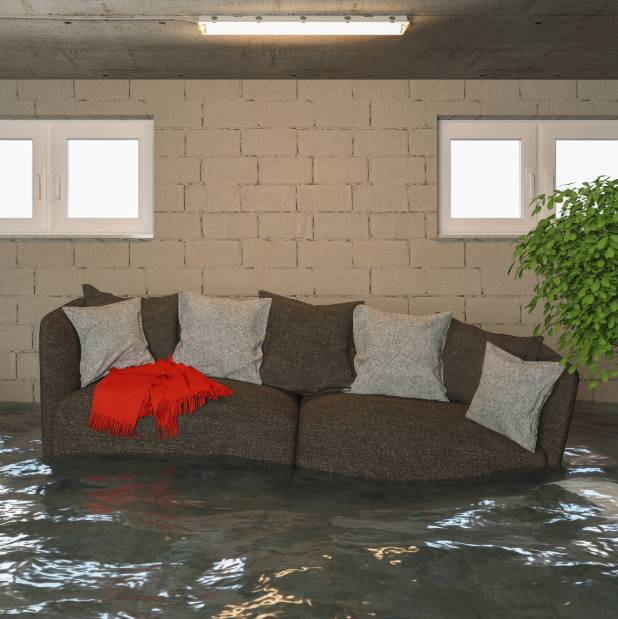
Once your furniture is restored, take steps to prevent future water damage. Proactive measures can save you the hassle and expense of dealing with water damage repeatedly:
Regular Maintenance
Inspect your home regularly for signs of leaks or water damage. Address any issues promptly to prevent damage to your furniture. Regular maintenance checks can identify vulnerabilities in your home’s structure, allowing for timely repairs before problems escalate.
Use Protective Covers
Consider using protective covers on your furniture, especially in areas prone to leaks or flooding. Waterproof covers can provide an additional layer of protection. They are an affordable and effective way to shield your furniture from unexpected water exposure.
Elevate Furniture
In flood-prone areas, elevate your furniture off the floor to reduce the risk of water damage. You can use furniture risers or place items on blocks. This simple step can provide crucial protection during unexpected flooding events, safeguarding your valuable pieces.
Conclusion
Water damage to upholstery and furniture can be distressing, but with prompt action and the right approach, it is possible to restore your cherished pieces. By understanding the signs of water damage, taking immediate action, and knowing when to seek professional help, you can protect your furniture and keep it looking great for years. The key is to remain vigilant and proactive in both restoration and prevention efforts.
Remember, prevention is key. Regular maintenance and protective measures can go a long way in safeguarding your furniture from future water damage. If you find yourself in a situation where you need to address water-damaged furniture, use this guide as a resource to help you through the process. With diligence and care, you can ensure your furniture remains a lasting part of your home.
If water damage has already impacted your furniture, don’t wait—acting fast can make all the difference! PuroClean of West Phoenix is here to help with expert water damage restoration services. Our team is equipped to handle even the toughest cases, restoring your cherished pieces with care and precision. Contact us today for professional assistance and peace of mind!
