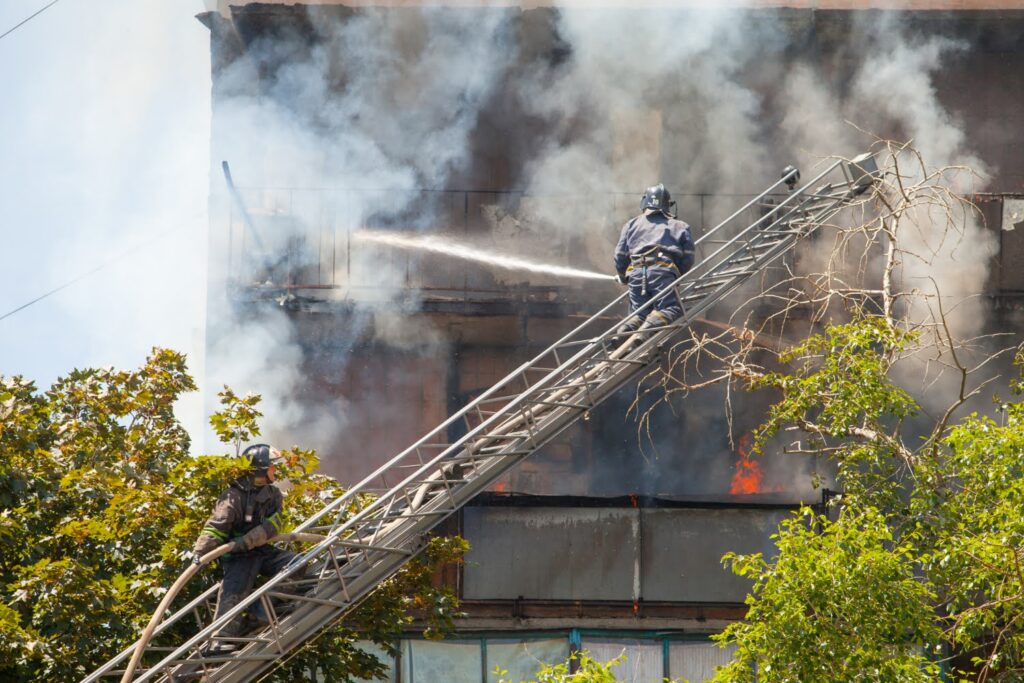
Fire damage isn’t something anyone plans for, but when it happens, it changes everything. It’s not just the burned areas you can see. Smoke, soot, and water from firefighting efforts affect nearly every part of the space. That includes air ducts, hard-to-reach corners, and anything made from fabric or wood. Many people think cleaning up means grabbing supplies and getting started, but that approach can bring more trouble than help.
Fire damage cleaning services are about more than scrubbing. The damage left behind can be complex, especially during harsh winters in Toledo, when moisture lingers and pipes are at risk of freezing. A clear cleanup plan can keep things from getting worse and help bring some calm to the chaos. Fast action is important, but smart steps make recovery safer, smoother, and more complete.
Why Jumping In Without a Plan Can Make Things Worse
It’s normal to want to clean up right away after a fire. The mess can feel endless, and standing around doing nothing only adds to the stress. But starting without a plan can spread the damage instead of stopping it.
Soot is sticky and can stain fast. Rubbing it around with common household cleaners can make surfaces harder to restore. Smells from smoke can settle deeper into furniture, clothes, or vents if disturbed the wrong way. Cleaning without the right process can cause these odors to return even weeks later.
Another issue is safety. Damaged buildings might have unstable walls, unsafe flooring, or exposed wiring. Some of the worst damage isn’t always obvious. Fire can weaken floors or walls from the inside, and water used to put out the flames can soak insulation or collect behind walls. Moving quickly without knowing what’s underneath can lead to injuries or missed problems. Taking time to set up a proper plan is the safer choice for both health and property.
What a Smart Fire Cleanup Plan Looks Like
After a fire, everything moves quickly, and it helps to have a step-by-step plan focused on safety and progress. First comes an inspection. That means checking every room, even spaces far from the flames, since smoke and soot can spread through vents and open doors. Water damage needs special attention too, especially if it has had time to sink into floors or drywall.
Then, it’s time to organize the cleanup:
• Drying out soaked areas should start early to control mold. Fans and dehumidifiers help keep moisture from spreading.
• Deodorizing happens next. Heavy smoke smells can stick to furniture, rugs, and even walls.
• Finally, anything that can be saved should be protected or cleaned right away, and items that can’t be restored need to be removed.
A strong plan makes each step count. Instead of guessing what to clean and when, we map out a process that avoids mistakes and keeps everything moving in the right direction.
How Winter Weather in Toledo Changes the Game
Fire cleanup is hard enough on a warm day, but in cold weather, like we get in Toledo during February, we face a different kind of challenge. Temperatures stay low, and that affects how quickly materials can dry. Wet areas take longer to air out, giving mold more time to grow. Windows stay closed, limiting airflow. All of that pushes moisture deeper into carpets, wood, and behind walls.
Another winter-specific issue is frozen pipes. When water used to put out the fire fills the room, it sometimes lingers in places it shouldn’t. It can freeze overnight, and pipes that sat unnoticed after the fire might burst a day or two later. That adds to the mess and slows down repairs.
We also have to pay close attention to entryways and areas with foot traffic. When snow and ash mix on floors, it can cause slippery spots. That means extra cleaning steps to keep everyone safe during the process.
Winter weather brings extra headaches for homeowners and professionals alike. Not only does it make drying more time-consuming, but it increases the risk of further damage from freezing temperatures. For instance, if water remains trapped under floorboards, it can freeze, causing cracks or warping that might not be noticed until spring. Cold and damp conditions also make it harder for cleaning agents to do their job effectively, so results might not be as thorough unless extra care and specialized tools are used.
Why It’s Better to Count on Professional Help
Some fire damage may look simple to handle at first, but many of the problems hide below the surface. That’s where trained crews come in. Those of us who provide fire damage cleaning services know the signs to watch for and how to avoid turning small issues into big ones.
We know what materials can be cleaned and what needs to be removed, like soaked ceiling tiles or smoky insulation. We use tools that find moisture in walls or catch smoke trapped in vents. Without that expertise, people often overlook damage or end up with long-term smells, mold, or weakened building materials.
Professional crews also handle safety concerns that might not be obvious, such as hidden electrical damage or residue that could irritate skin or lungs. They wear protective gear, use industrial vacuums, and monitor indoor air quality to make sure everyone stays safe. Their experience means fewer mistakes and a faster return to normal.
Skipping steps or guessing at how to treat different surfaces can stretch out recovery for weeks. By working from a plan and using the right process instead of relying on supplies alone, we avoid going in circles and keep progress moving forward.
What to Do While Waiting for Help to Arrive
There are a few simple actions that should be taken while waiting for cleanup to start. These don’t involve scrubbing or using cleaning products. They’re just about keeping further damage from happening.
• Keep the heating system off so it doesn’t spread smoke into other rooms.
• Avoid going into heavily damaged areas in case the structure is weak.
• Close the windows, even if the smell is strong. Cold air can freeze wet surfaces and slow the drying process.
Stepping back and letting the damage sit feels uncomfortable, but trying to clean at this point could make things worse. It’s better to take a breath, stay safe, and let the plan do the work once help arrives.
If you need to stay away from the property for a few days while professionals work, keep track of your belongings and make notes about anything valuable or sentimental. This will help when deciding what can be saved later. Always put your safety first and let experts handle the dangerous parts of the cleanup.
Getting Back on Track After a Fire
Cleaning up after a fire is about more than reaching for a mop or wiping down surfaces. Every step matters, and rushing without a plan can slow down the recovery instead of speeding it up. Fire damage brings layers of issues, especially when cold Toledo weather adds new challenges like frozen pipes and hard-to-dry rooms.
Having a plan keeps focus and helps avoid mistakes that can result in bigger problems later. Whether it’s knowing where to start, how to dry, or what can be saved, cleanup works best when every move has purpose. Taking the time to do it right makes a hard situation easier to manage and helps everyone move forward with less stress.
At PuroClean of West Toledo, we know that getting your property back to normal after a fire takes more than good intentions. Cold weather in Toledo can make cleanup harder, and small mistakes early on can lead to bigger problems later. That’s why we encourage planning carefully and acting quickly with help from people who understand how fire affects every part of a home or business. If you’re dealing with damage and don’t know where to start, our fire damage cleaning services are here to guide the way. Give us a call and we’ll help you take the next step forward.