Why Lingering Smoke Odors Never Truly Go Away
Smoke likes to travel anywhere air can move. During a fire, even a small one, smoke gets pulled along air currents and through your HVAC system. It moves under doors, up stairways, through vents, and into the tiny gaps around fixtures and outlets. Long after the flames are out, those smoke particles can stay tucked away in hidden parts of the building.
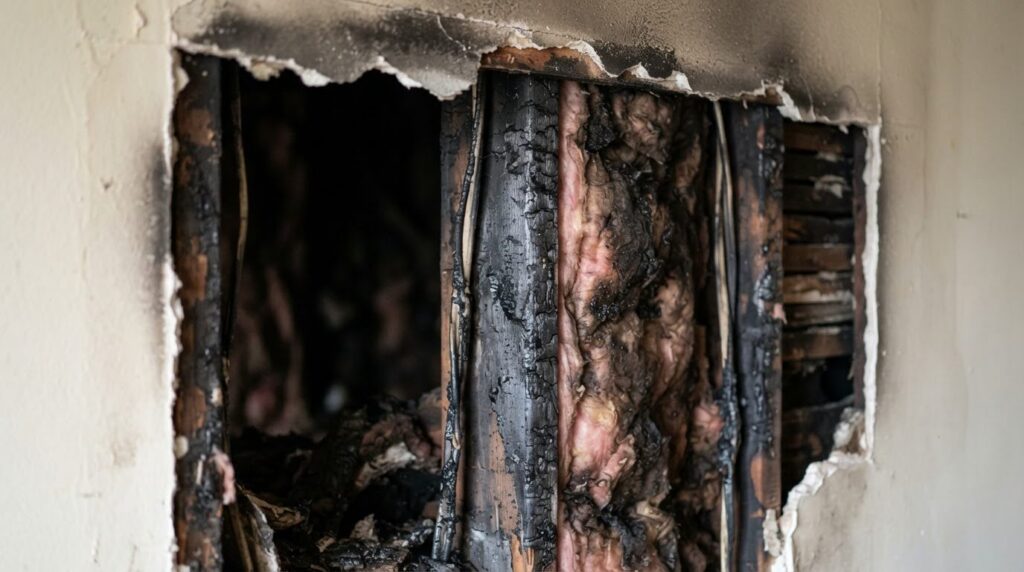
There is a big difference between what you can see and what you cannot. Clear smoke damage is the obvious stuff, like soot on walls and ceilings or a dark film on furniture and counters. Hidden smoke damage lives inside HVAC ducts, in wall cavities, and deep in attic insulation. You may not see it, but you can usually smell it.
Lingering smoke is not just annoying. It can cause headaches, throat and eye irritation, and general discomfort, especially for kids, older adults, and people with breathing problems. Each time the HVAC system runs, it can kick those smoke odors and fine particles back into your air.
That is why real smoke damage restoration is more than wiping walls. It means tracking where the smoke traveled, including the places you cannot reach on your own, then treating both the visible and hidden damage.
Clear vs. Hidden Smoke Damage in Your Living Spaces
Most people spot clear smoke damage right away. You might see:
- Gray or black streaks on walls and ceilings
- Dark smudges or rings around HVAC supply vents
- Yellowing around light fixtures and fans
- Sticky, greasy residue on counters, cabinets, and hard surfaces
Once those surfaces are cleaned, things often look better. But if the odor comes back a few days or weeks later, there is a good chance you are dealing with hidden smoke damage. That can show up as:
- Recurring smoke smells after you have already cleaned
- Dark lines at baseboards, trim, or around outlets
- Shadowy “ghosting” marks that follow studs behind painted walls
- Odors that seem stronger in some corners or along interior walls
Heat plays a big part too. When outdoor temperatures climb and the sun is beating on the roof, materials inside your walls and attic warm up. Any smoke residue trapped there can start to off-gas and the odor becomes stronger, especially on upper floors.
If you notice a pattern like “the house smells smoky every hot afternoon” or “the odor gets worse when the HVAC runs,” that is a sign to bring in smoke damage restoration professionals. They can figure out whether the main source is in the HVAC system, in the walls, or above the ceiling and then plan how to treat it.
How to Tell If Smoke Odors Are Coming From HVAC Ducts
Your HVAC system can be a major source of lingering smoke odors. During a fire, smoke is pulled into return vents, then passes through ductwork, the blower, coils, and filters. Soot and odor-causing particles stick to those surfaces. Until they are properly cleaned, the system can keep spreading smoke smell to every room.
Common clues that the odor is HVAC-related include:
- Stronger smoke smell when the AC or furnace fan is running
- Odor that seems to blow out near certain vents
- Light gray or dark soot staining on or around vent covers
- Smell that is weaker with windows open and stronger with the house closed up
There are a few simple checks you can do without opening equipment:
- Stand close to each supply register and take a gentle sniff when the system is on
- Compare rooms to see where the odor is strongest
- Partially close a suspect vent and see if the smell shifts to another room
- Notice if the odor gets better or worse when you change the fan setting
Professional technicians go several steps further. During smoke damage restoration, they inspect the duct interiors, air handler, blower, and filters. They look for soot buildup and residue, then use specialized tools and odor-control products to clean and treat those parts. Cleaning the HVAC system is often a key piece of getting lasting odor relief.
When Attic Insulation and Wall Cavities Trap Smoke
Hot air rises, and so does hot smoke. During a fire, smoke can quickly fill the attic space. It can penetrate insulation fibers and wood framing, leaving deep, stubborn odors that hang around even after other areas look clean. On hot days, that attic can heat up and push those smells right back into your living space.
Smoke also loves pathways. It can move through:
- Gaps around recessed lights and ceiling fixtures
- Openings around electrical boxes and switches
- Cracks where framing meets drywall
- Plumbing chases and other hidden chases inside walls
Once smoke gets into wall cavities, it can be very hard to see, but you may notice signs like:
- Odor strongest on upper floors or near certain interior walls
- Smells that cluster around ceiling lights, fans, or attic hatches
- Smoke odor that gets worse when the sun heats the roof or exterior walls
To track and treat this kind of hidden damage, professionals may map where odors are strongest, use tools like borescopes to look inside cavities, and carefully remove heavily affected insulation or pieces of wall or ceiling. That targeted removal, followed by detailed cleaning and odor treatment, helps stop the smell at its source.
Professional Smoke Damage Restoration Step by Step
A thorough smoke damage restoration plan looks at the whole building, not just what is visibly dirty. The process usually includes:
- Emergency response and a careful inspection
- Containment to keep residue and odors from spreading to clean areas
- A written plan that covers both visible soot and hidden odor sources
From there, service can involve several components:
- HVAC system and duct cleaning to remove smoke residue from the air path
- Removal of unsalvageable building materials that are heavily contaminated
- Detailed cleaning of walls, ceilings, fixtures, and contents
- Advanced odor removal methods like thermal fogging or hydroxyl generators
Safety is a big part of every step. Technicians use proper protective gear, odor-neutralizing products made for fire residues, and methods designed to protect people and sensitive items in the space.
Every property in the Toledo area is a bit different. Construction style, age, layout, and HVAC design all affect how smoke travels. A tailored plan helps make sure stubborn smells from ducts, attic insulation, or wall cavities are found and treated, not just covered up.
How PuroClean of West Toledo Finds and Fixes Hidden Smoke
Our local team focuses on where smoke actually moved, not where it is most obvious. We start by listening to where you notice odors, then perform targeted inspections of:
- HVAC ducts, returns, and air handling parts
- Upper-level rooms and hallways
- Attic spaces and access points
- Likely wall cavity paths such as around fixtures and chases
Because hot, humid weather in our area can make smoke odors feel much stronger, 24/7 availability helps us respond when those smells are at their worst. That matters for both homes and businesses that depend on comfortable, clean air to stay open.
During the process, we explain what we find, show you where smoke traveled, and lay out clear next steps. That usually includes which areas need cleaning, deodorizing, and possible material removal or repairs. Detailed documentation also supports insurance claims and helps reduce long-term complaints about lingering odor or poor indoor air quality.
When hidden smoke damage is treated the right way, your space can feel like your own again. Clean air, less irritation, and no more mystery odor every time the HVAC system starts up are all possible with a thorough, professional smoke damage restoration plan.
Frequently Asked Questions
Can smoke odor stay in a home even after the walls look clean?
Yes. Smoke particles can remain inside ducts, insulation, and wall cavities, which is why odors often come back after basic surface cleaning.
Why does my house smell more like smoke when the air conditioning runs?
That can be a sign that smoke residue is still inside the HVAC system or ductwork. When the system turns on, it can push trapped odors and fine particles back through the house.
Do attic spaces really hold onto smoke odors?
They can. Smoke rises quickly during a fire, and attic insulation and framing can absorb odor that becomes more noticeable again on hot days.
What are signs that smoke damage may be hidden behind walls?
Stronger odors near outlets, light fixtures, interior walls, or upstairs rooms can point to hidden residue. You may also notice dark lines, ghosting marks, or smells that return during warm weather.
Why is professional smoke damage restoration better than ordinary cleaning?
Ordinary cleaning usually only handles what is visible. Professional restoration is designed to find where smoke traveled, remove residue from hidden areas, and treat the odor at its source.
Protect Your Home and Restore Healthy Air Quality Today
If your property has been affected by smoke, soot, or lingering odors, we are ready to help you reclaim a safe and comfortable space. Our team at PuroClean of West Toledo provides expert smoke damage restoration tailored to your specific situation. We will assess the damage, explain your options clearly, and work efficiently to restore your property. To schedule service or ask questions about your situation, please contact us today.