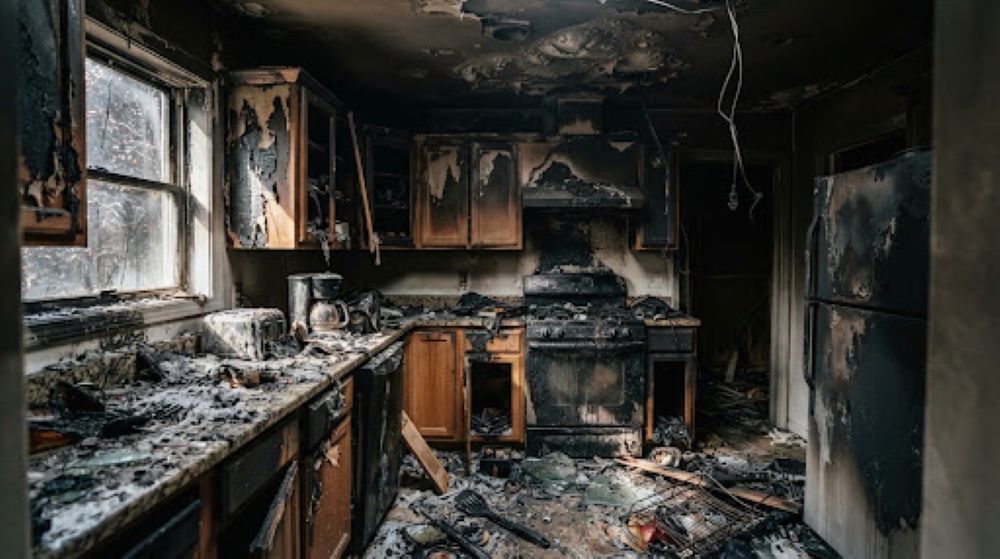
Stop Smoke Damage From Spreading in Your Home
A small fire in a kitchen or bathroom can feel like “no big deal” once the flames are out. The stove is off, the curling iron is unplugged, and the fire department has left. But then the smoky smell hangs around, yellow stains start to show up, and metal fixtures look dull or rusty. That is when many people realize the real problem is the smoke and soot left behind.
Kitchens and bathrooms are high-risk fire areas in many West Toledo homes and businesses. Cooking equipment, hair tools, candles, and plugged-in devices all live in tight spaces. As the weather cools and we cook indoors more and use candles or space heaters, the chances of a small fire go up. In this article, we will walk through common fire damage cleaning mistakes in these rooms and how professional fire damage cleaning services can help protect your property and your health.
Overlooking Hidden Soot in Cabinets and Fixtures
Smoke does not stay in the open. It moves with air currents and slips into tight spaces. After a kitchen or bathroom fire, soot and smoke residue often end up inside:
- Closed cabinets and drawers
- Exhaust fans and range hoods
- Light fixtures and vent covers
- Gaps behind mirrors and trim
Wiping only what you can see is one of the biggest cleaning mistakes. Hidden soot can keep releasing odor, slowly discolor surfaces, and corrode metal over time. For example, residue left inside a bathroom fan or under a sink can stain nearby paint or eat away at chrome parts.
Different materials in these rooms also react differently:
- Painted cabinets can stain or soften if scrubbed too hard
- Laminate can swell or peel with the wrong liquid cleaner
- Stone countertops can etch or dull with harsh chemicals
- Chrome and stainless fixtures can pit and rust from soot and moisture
- Grout can hold on to dark stains and odors
Scrubbing with rough pads, strong abrasives, or random cleaners can:
- Scratch finishes so they never look right again
- Strip protective coatings on cabinets and metal
- Push soot deeper into porous materials, locking in stains
Trained technicians know how to:
- Open, remove, and clean cabinet doors, drawers, and hardware safely
- Take down and clean light covers and vent parts without damaging wiring
- Match cleaning tools and products to each surface
This helps stop long-term discoloration and makes it more likely that items can be saved instead of replaced.
Using Household Cleaners That Make Damage Worse
After a fire, many people reach for whatever cleaner is under the sink. Bleach, ammonia, glass spray, or a multi-surface wipe might seem fine. On soot, these choices can cause bigger problems.
Common issues with household cleaners on fire residue include:
- Smearing soot into a sticky film that is hard to remove
- Reacting with soot and forming streaks on walls and appliances
- Forcing smoke particles deeper into porous surfaces
- Leaving behind strong chemical smells that mix with smoke odor
Mixing cleaners or using products that are very high or low in pH can also damage surfaces in kitchens and bathrooms. Oil-based polishes and sprays can trap soot under a shiny layer, which makes stains and odors harder to reach later.
These rooms have extra challenges:
- Grease film on cabinets and range hoods in kitchens
- Hairspray, powders, and cosmetic residue on bathroom counters
- Soap scum on tile and glass shower doors
When soot lands on top of these layers, it clings even tighter. The wrong cleaner can react with both the old residue and the new soot. Glass can etch, tile can streak, and shiny appliances can lose their finish.
Professional fire damage cleaning services focus on:
- Testing surfaces and residues before cleaning
- Choosing restoration-grade products that match the material
- Cleaning in stages so soot is lifted, not rubbed in
Using the incorrect products can also affect warranties on certain surfaces like quartz countertops or specialty plumbing fixtures. Getting expert guidance helps protect your investment.
Ignoring Ventilation Systems and Moisture Risks
Smoke does not just stay in the room where the fire started. Bathroom exhaust fans, range hoods, and HVAC vents can pull smoke and soot into ducts and spread it to other areas. If these systems are not cleaned correctly, fine particles can blow back out every time the fan or furnace runs.
Problems that often show up later include:
- Persistent burnt or smoky odor in “clean” rooms
- Black dust or streaks around vents and fan covers
- Coughing or irritation when air systems are running
Kitchens and bathrooms already have more moisture from showers, baths, and cooking. When moisture meets soot, it can:
- Speed up corrosion on metal fixtures and fan parts
- Stain caulk and grout around tubs, sinks, and backsplashes
- Soften or bubble painted or papered walls
Some property owners try taking off vent covers or bathroom fans on their own. This can be risky. There is a chance of:
- Damaging wiring or fan motors
- Exposing sharp metal edges
- Missing hidden pockets of soot deeper inside
Professional fire damage cleaning services include safe inspection and cleaning of:
- Bathroom exhaust fans and their housings
- Range hood filters and inside surfaces
- HVAC vents and surrounding walls or ceilings
With the right containment and filtration, technicians can remove soot while keeping loose particles from spreading through the rest of the building.
Misjudging What Can Be Saved vs. Replaced
After a fire, it is easy to toss items that look dirty and keep things that seem fine at first glance. Both choices can be wrong. Some materials that look terrible can be restored. Others that appear only lightly affected may hold deep odors or contamination.
What can be saved often depends on:
- How hot the fire was in that area
- What burned, for example, food, plastic, or paper
- How soon cleaning starts after the fire
In kitchens and bathrooms, items that might be restorable include:
- Cabinet frames and doors with surface soot
- Tile walls, shower surrounds, and backsplashes
- Hard-surface countertops and some sinks
- Metal fixtures with light discoloration only
Items that are more likely to need replacement or special handling include:
- Porous plastics and unsealed grout
- Textiles like bath mats, towels, and window treatments
- Items heavily coated in sticky protein smoke from cooking
Professional technicians use industry standards, inspection tools, and experience to:
- Measure how far odor and moisture have traveled
- Decide when cleaning is likely to work and when it is not
- Suggest the most cost-effective mix of cleaning, repair, and replacement
For homes and businesses in the greater Toledo area, proper documentation from a trusted restoration provider can also support insurance claims and help keep remodeling plans on track.
Frequently Asked Questions About Fire Damage Cleaning Services
When Should I Call Fire Damage Cleaning After a Kitchen Fire?
You should call as soon as the fire is out and the property is safe to enter. Soot and smoke residues start harming surfaces within hours, and quick cleaning gives a better chance of saving cabinets, fixtures, and finishes.
Can I Clean Light Soot in a Kitchen or Bathroom Myself?
Light soot can look easy to wipe up, but household cleaners may smear residues, set stains, or damage delicate surfaces. It is safest to have a professional look at the damage first and explain what you can safely clean yourself and what needs expert care.
Why Do Odors Linger in My Bathroom or Kitchen After a Small Fire?
Smoke particles can soak into porous materials, get trapped in vents and fans, and cling to layers of grease, soap scum, or cosmetic residue. If these areas are not cleaned with the right methods and equipment, smells can stay for weeks or even months.
Are My Cabinets and Countertops Always Ruined After a Cooking Fire?
Not always. Many cabinets, countertops, and fixtures can be restored if cleaning starts quickly and the correct products and techniques are used. A professional inspection will help you know what can realistically be saved and what is better to replace.
What to Do Before the Pros Arrive for Fire Damage Cleaning
Make sure everyone is safe, turn off affected appliances if it is safe, and avoid wiping surfaces, washing walls, or opening cabinets or vents. Leaving soot and residues undisturbed helps technicians see the full picture and choose the best cleaning plan.
Restore Your Home With Expert Local Fire Cleanup
If a recent fire has disrupted your home, our team at PuroClean of West Toledo is ready to help you move forward safely and quickly. Learn how our professional fire damage cleaning services can address smoke, soot, and structural concerns so you are not left managing them alone. We respond promptly, explain each step clearly, and coordinate with you from start to finish. To schedule service or ask questions about your situation, please contact us today.