 PuroClean of West Toledo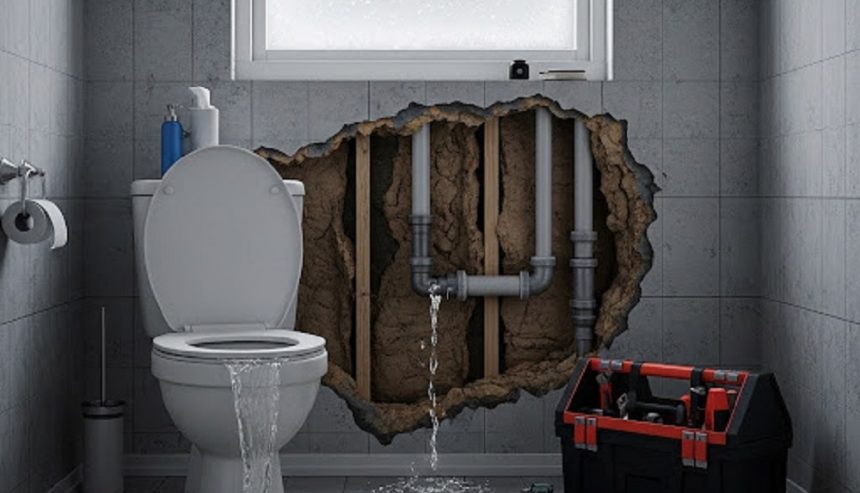
When winter hits hard in Toledo, frozen plumbing can lead to unexpected problems. One of the most frustrating is when a toilet overflows during a deep freeze. It might start as a slow issue from a frozen pipe, but when temperatures rise just enough to cause thawing, water can quickly back up and spill out. These situations happen fast and can cause more damage than most people expect. Knowing how to respond quickly can keep the problem from getting worse. Timely help with emergency water removal in Toledo becomes especially important when it’s freezing and water has nowhere to escape.
What Causes a Toilet to Overflow in Freezing Weather
Toilets and the pipes they connect to can freeze when temperatures drop below freezing for long stretches. Ice starts forming inside the plumbing, blocking water from flowing normally. In some cases, the ice builds pressure behind it, and when things finally thaw, that built-up water has nowhere to go but up and out.
Some homes are more likely to face this issue than others. The most common setups where frozen toilet overflows happen include:
• Bathrooms on exterior walls where pipes have less insulation
• Upper-floor bathrooms with longer pipe runs exposed to cold air
• Unheated or rarely used bathrooms that don’t stay warm during the winter
When these pipes begin to thaw, pressure shifts fast, and a frozen blockage can suddenly release, sending water back up into toilet bowls and over the edge.
Freezing weather can also lead to problems in sewer lines outside the home. If those pipes aren’t buried deep enough, they may freeze, causing backups inside when water from the house can’t drain as it should. Areas that have lots of shade or wind exposure are at greater risk, especially if insulation is lacking in those sections.
During deep freezes, consider checking any plumbing located in crawl spaces, garages, or other unheated areas. Pipes that run close to exterior walls may need extra attention and care to ensure the cold doesn’t impact them as much. Simple checks during cold snaps can sometimes prevent an unexpected overflow.
First Steps When a Frozen Toilet Overflows
An overflowing toilet feels urgent for good reason. As soon as water starts rising or spilling, it’s time to act. Start by turning off the water supply to the toilet, usually found on the wall just behind it. That stops any extra flow from coming in.
PuroClean of West Toledo offers 24/7 emergency water damage services in Toledo, Ohio, so trained technicians can respond quickly when plumbing problems soak your bathroom floors.
Once the water is off, do whatever you can to keep the water from spreading. Use towels to block doorways or create a barrier. Buckets can help collect dripping or pooling water. Keep clear of any outlets or areas with electricity nearby. When bathroom floors get soaked, electrical hazards become a very real concern.
It might feel like the worst is over once the water stops, but damage can already be hiding under the surface. Even small amounts of moisture that slip through tile or around the toilet’s base can travel far into the structure, so it’s important not to underestimate the risks. Acting fast isn’t just about cleanup, it’s also about keeping everyone safe.
Hidden Water Damage That Can Follow an Overflow
Water from an overflowing toilet doesn’t always just sit on the floor. It can slip through cracks, joints, or seams, making its way into parts of the house you can’t see. This is especially true for second-floor bathrooms, where water may leak into ceilings or walls below.
Even if the water came from what looks like a clean toilet bowl, it still carries risks. That water touches pipes and toilets that could have bacteria. It’s not safe to leave it sitting, even for a short time.
Keep an eye out for these signs that water may still be present after an overflow:
• Musty or damp smells, especially after a few days
• Staining or bubbling on ceilings or paint in nearby rooms
• Warped flooring or strange soft spots when walking
If any of these show up during or after a winter plumbing issue, it’s a sign that cleanup needs to go deeper than wiping up the surface.
Water can travel below floors and behind walls, so even after clearing what you can see, moisture sometimes lingers out of sight. This is why it’s helpful to look for subtle changes in nearby rooms, not just the bathroom. Sometimes damage shows up only days later, making early detection even more valuable.
Moisture can also create conditions for mold to grow in hidden areas. Unchecked, this could affect air quality or even weaken materials like drywall, leading to more costly repairs down the line. Noticing slight changes and reacting right away helps you avoid bigger complications during your cleanup.
Why Quick Cleanup Matters and When to Call for Help
Water moves fast and spreads easily, especially when it flows down from a higher level or slips behind cabinets and baseboards. Cold air slows down how quickly things can dry, which means moisture lingers longer when temperatures are low.
When PuroClean of West Toledo responds, we use modern, high-quality drying equipment, including high-velocity air movers and dehumidifiers, to pull moisture out of floors, walls, and ceilings. Our technicians use tools such as thermal imaging and moisture meters to locate trapped water in hidden areas that might otherwise be missed. Our team applies EPA-registered disinfectants to clean, sanitize, and deodorize surfaces affected by overflow water.
When wet areas aren’t fully dried, trouble starts to build. Mold becomes more likely, odors can hang around, and materials like wood or drywall may begin to warp or weaken.
Here’s why fast action matters so much for frozen toilet overflows:
• Moisture buildup can lead to long-term damage if left untreated
• Winter air makes it harder for surfaces to dry on their own
• Some damage stays hidden behind walls, floors, or ceilings
Getting help with emergency water removal in Toledo is often the best way to avoid these risks. Local conditions like snow-covered foundations or frozen drainage can slow down drying, so it’s safer to act quickly before water has time to settle in.
Experienced professionals can identify parts of the structure where water may be trapped. Specialized fans, moisture removal tools, and even temporary heating can speed the drying process. This not only helps save building materials, but also gives peace of mind that no hidden moisture is left behind to cause future issues. Sometimes surfaces look dry to the touch, but testing shows lingering moisture. That’s why expertise and experience matter for thorough recovery.
Getting Ahead of Winter Plumbing Problems Next Time
Toilet overflows from frozen pipes don’t have to be a repeat event. Some small changes around the house can make a big difference before the next cold snap rolls in.
Focus on these tips to get ready for the next winter:
• Check if the pipes near your bathrooms are insulated, especially if they sit along exterior walls
• Keep bathroom doors open to let warmer air circulate, even if the room isn’t used every day
• Consider adding a space heater for bathrooms that tend to stay cold
• Let faucets drip slowly during very cold nights to keep water moving through pipes
Preventing frozen plumbing starts with staying ahead of the weather. Once temperatures fall to the teens or below, pipes may begin to freeze within hours if they aren’t protected.
Another simple precaution is to seal any small gaps around pipes where cold air could leak in. Sometimes, plugged-in temperature sensors or smart home systems can alert you when rooms are getting too cold, letting you act before freezing starts. For homes with vulnerable pipe runs, wrapping heat tape around exposed sections adds another layer of defense.
If you’re planning to be away from home during winter, set the thermostat to a temperature that prevents freezing and ask a neighbor or friend to check in periodically. A little vigilance during the coldest stretches can help head off trouble before it starts.
Peace of Mind Starts with Quick Action
Frozen toilet overflows can leave anyone feeling overwhelmed. They often strike without much warning and make a mess fast. But knowing what to do right away makes a huge difference. Acting quickly keeps the damage contained and helps avoid bigger repairs later.
When the water is stopped, and hidden moisture is handled properly, the home goes back to feeling safe and clean. Winter plumbing issues can catch people off guard, but even during the coldest months in Ohio, a smart response can turn things around quickly.
Winter plumbing issues can take homeowners by surprise, but fast action can help limit water damage before it spreads. At PuroClean of West Toledo, we stay prepared for these kinds of emergencies because we know how quickly things can go from bad to worse. If you’re dealing with soaked floors or signs of hidden moisture, getting help with emergency water removal in Toledo can make a big difference in keeping your home safe. We’re here to respond when it matters most. Call us day or night and let’s handle the cleanup together.


 PuroClean of West Toledo