Hidden Mold Threats Lurking in Plain Sight
Mold is not just that dark stuff you see on shower grout or around a damp window. In many Toledo homes, the real problem is the mold you cannot see, quietly growing behind walls, under cabinets, and inside air systems. By the time it finally shows, the damage can already be more serious than it looks on the surface.
Our weather in northwest Ohio does not help. Humid late spring and summer, sudden heavy rains, and strong storms all add moisture to your home. When that moisture slips into tight spaces and stays there, hidden mold can spread. Finding these spots early helps protect your health, keep your home in good shape, and make professional mold removal in Toledo, Ohio, simpler and less disruptive.
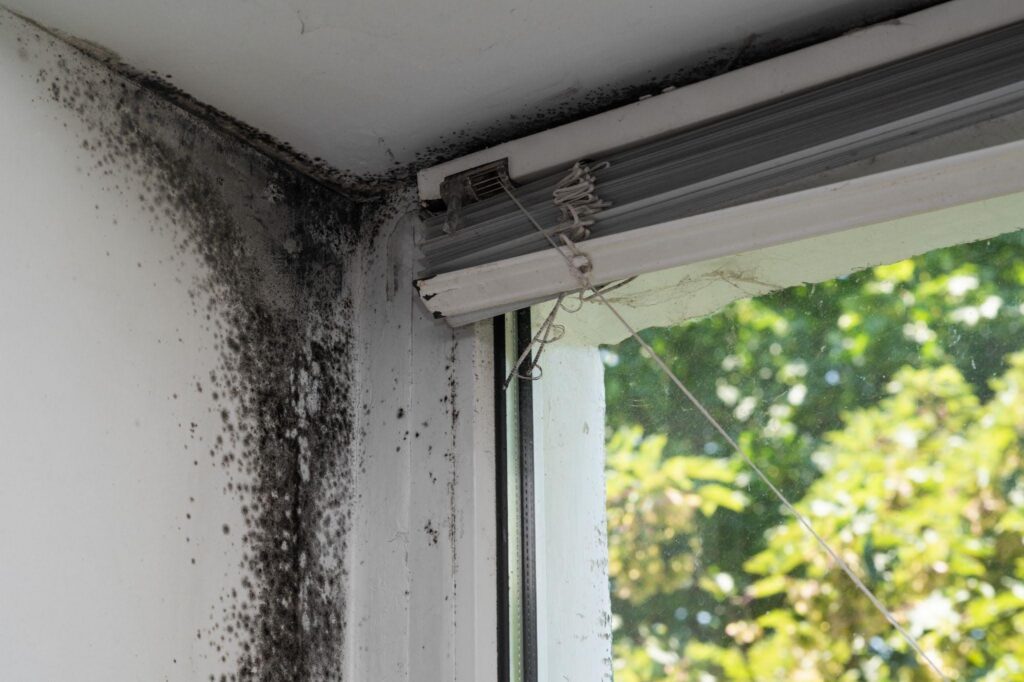
Mold Hiding Behind Walls and Around Windows
Walls and window areas are favorite hiding places for mold. Small leaks from older plumbing, roof penetrations, or poorly sealed windows can let water get into the drywall and insulation. The surface may look fine, while behind it, mold is feeding on dust, paper, and wood.
Common warning signs include:
- A musty or stale smell near one wall or window
- Paint that is bubbling, peeling, or cracking for no clear reason
- Discoloration, soft spots, or warping around window frames
- Areas of wall that feel cooler or damp compared to others
When people suspect hidden mold, some are tempted to start cutting into walls or pulling off trim. This can send mold spores into the air and into other rooms. It can also spread dust and debris into your HVAC system. Professional teams use tools like moisture meters and other inspection methods to map where water has traveled. That way, we can remove only what is needed and keep the rest of the home as clean and contained as possible during mold removal in Toledo, Ohio.
Kitchen Trouble Spots You Rarely Check
Kitchens seem bright and dry, but a lot of plumbing and steam is packed into a small space. This makes the kitchen a surprising hotspot for hidden mold growth, especially in tight cabinets with poor airflow.
Areas that often hide problems include:
- Under the sink, especially in the back corners
- Behind dishwashers and garbage disposals
- Around refrigerator water lines and ice makers
- Along the caulk line where the counter meets the wall
Slow drips from supply lines or shutoff valves can soak the bottom of a cabinet over time. Cold water lines can sweat in humid weather, adding extra moisture inside closed spaces. Steam from boiling pots and dishwashers can also add to humidity when the kitchen is not well ventilated.
Simple habits can reduce the risk:
- Open sink cabinets once in a while to check for damp spots or soft wood
- Empty and clean refrigerator drip pans on a regular basis
- Use the range hood during and after cooking to vent steam outside
- Pay attention to warped cabinet bases or lingering musty odors
If you notice any of those warning signs, it is safer to have a professional check for hidden moisture and mold rather than tearing out cabinetry on your own.
Hidden Mold in Bathrooms and Laundry Areas
Bathrooms and laundry rooms are already known for mold on tile and grout, but many trouble spots hide where most people rarely look. Hot showers, steamy baths, and laundry cycles all add moisture to the air. If that moist air has nowhere to go, it settles on cool surfaces and seeps into cracks and gaps.
Less obvious mold-prone areas include:
- Behind or under washing machines, especially if a hose drips
- Around dryer vents, if the vent is loose or clogged
- Behind toilets, where small leaks can go unnoticed
- Under vanity cabinets and around sink plumbing
- Around shower doors, under rubber seals, and behind wall-mounted mirrors
As the weather warms up and humidity rises in Toledo, it helps to give these areas a little extra attention. Seasonal steps that can make a big difference include:
- Making sure exhaust fans actually vent outdoors, not into an attic or wall cavity
- Running bathroom fans longer after showers to help dry surfaces
- Repairing or replacing leaky supply hoses and valves promptly
- Adding a small dehumidifier in heavily used laundry spaces
If surfaces stay damp, paint keeps peeling, or mold spots return after simple cleaning, that is often a sign of deeper hidden moisture that needs expert attention.
Attics, Roof Leaks, and Hidden Ceiling Mold
Attics are easy to forget about, yet they play a big role in moisture control. After strong spring storms, even small roof leaks or failing flashing can let water into the attic. That water can soak insulation and wood, then move into upper ceiling cavities. The ceiling inside your home may look fine at first, while mold grows quietly above.
Warning signs in attics and ceilings can include:
- Dark or stained roof decking and rafters
- Rusted nail heads or metal fasteners
- Insulation that looks compressed, clumped, or discolored
- Ceiling stains indoors that grow, fade, then return after rain
Going into an attic without the right protection and lighting can be risky, and disturbing moldy insulation can send spores across the house. Trained technicians know how to inspect attics safely, track how moisture is traveling, and set up proper containment. Careful mold removal in Toledo, Ohio, homes helps prevent spores from spreading through HVAC systems and into bedrooms or living areas.
HVAC Systems and Ductwork as Mold Pathways
Your HVAC system keeps you comfortable, but it can also move mold around if moisture builds up inside it. Air conditioners create condensation, and if the drain line or drip pan is clogged, water can sit and turn into a breeding area for mold. Dust in ductwork also gives spores something to cling to.
Watch for signs that your HVAC system may have mold issues:
- A musty smell when the AC or heat first turns on
- Visible growth around vents or supply registers
- Condensation forming on or around vents
- Allergy-like symptoms that feel worse indoors than outside
Professional inspection can help check for clogged drain lines, dirty coils, or contaminated ductwork. Good ongoing habits can also support a healthier system:
- Changing filters on a regular schedule
- Using equipment that is properly sized for the home
- Keeping indoor humidity in a comfortable range, often between 30 and 50 percent
When HVAC components stay dry and clean, it is much harder for mold to take hold and spread from room to room.
Take Control of Hidden Mold Before It Spreads
Hidden mold can feel scary because you cannot always see where it starts or how far it has gone. One helpful step is to walk through your home with a “hidden moisture” mindset. Pay attention to spots we discussed, like under sinks, around windows, behind appliances, in bathrooms and laundry areas, in attics, and near HVAC vents. Use your senses: look for stains and warping, feel for dampness, and notice any musty odors that do not go away.
It can be safe to gently clean small, surface-level spots on hard, nonporous materials if they are not linked to leaks or larger problems. But if you suspect a wider issue, see mold on porous materials, or keep dealing with mold that comes back, that is usually the time to bring in professionals. At PuroClean of West Toledo, we help local homeowners find the source of moisture, check for hidden mold, and create a plan that fits the home and the situation, so families can breathe easier and protect their property for the long term.
Protect Your Home And Health With Expert Mold Removal Today
When you are ready to address mold issues before they spread, trust PuroClean of West Toledo to respond quickly and thoroughly. Our certified technicians provide reliable mold removal in Toledo, Ohio tailored to your property’s specific conditions. Reach out so we can assess the situation, explain your options, and get started on a safe, effective solution. If you have questions or need immediate help, please contact us today.