 PuroClean of West Toledo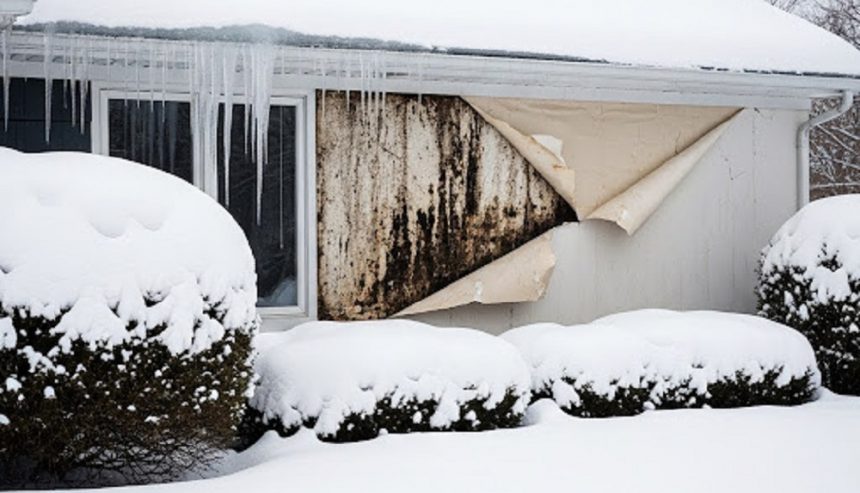
As winter begins winding down in Toledo, it’s easy to assume the weather can’t cause much more trouble. But when snow starts melting, that’s when a different type of problem quietly shows up. Moisture from melting snow can sneak into places we don’t usually check, like basements, crawl spaces, and behind walls. That dampness doesn’t just sit there harmlessly. It creates perfect conditions for mold to grow, often before we notice anything is wrong.
If you’ve been through a tough winter with lots of snow and now you’re seeing water around the house, it’s a smart time to think about what could come next. Mold problems after snow melt can become serious if ignored. That’s why it helps to know what signs to watch for, what areas to check, and when to consider mold remediation services in Toledo to better protect your home and health. At PuroClean of West Toledo, our remediation experts use the latest technology to identify both mold and the moisture source that feeds it, which is key to restoring your home after winter moisture has seeped into hidden areas.
Why Snow Melt Triggers Mold Growth Indoors
Heavy snow might seem like a harmless part of winter, but once it melts, all that water has to go somewhere. If the ground around the house is still frozen or there’s poor drainage, water can collect along foundations. From there, it may leak into basements or creep under doors.
In many Toledo homes, we see areas that stay cold all winter. These include basements, garages, and crawl spaces, places not always insulated or well-heated. When snow melts quickly, those areas can get damp fast. If the indoor air warms up and the leftover water can’t dry quickly, mold spores that were sitting quietly all winter suddenly become active.
Hidden spots like wall cavities and under floors don’t get much airflow. That makes them ideal places for moisture to stay trapped and mold to start spreading. Some of the most common areas where post-winter mold hides include:
• Corners of basements or utility rooms
• Under carpets that sat damp too long
• Behind drywall where water came in through cracks
• Around windows or sills where condensation added to the problem
Mold growth after snow melt doesn’t always show up right away, and that’s part of what makes it so tricky.
Warning Signs of Mold After the Snow Thaws
Once the snow is gone and things start drying out, it’s a good idea to take a closer look around. Mold doesn’t always give a big warning before it spreads, but it often leaves a few early signs if you know where to look.
The most common clue is smell. If a room has a damp, musty scent, especially in a basement or attic, that’s worth checking out. Walls or ceilings may change color slightly, sometimes showing gray, green, or brown patches. These stains might look like dirt or shadows at first, but they could be signs of something deeper.
Other red flags include:
• Tiredness, sneezing, or breathing issues that feel worse at home
• Carpet that feels damp or bouncy, even when nothing’s been spilled
• Spots behind furniture pushed up against outside walls
• Paint or wallpaper that bubbles or peels for no clear reason
These little things are often easy to overlook, especially after a long winter when many of us just want to enjoy warmer air. But staying alert can help stop mold before it becomes a bigger headache.
Preventing Mold Before It Starts
Once the snow has melted, the race is on to dry things out properly. The faster damp materials get airflow, the better chance you have of keeping mold from showing up in the first place. That’s where prevention really comes into play.
Simple steps around the house can make a difference, especially if your home has had water leaks in the past. After a snowy season, we always watch for:
• Humidity levels that stay too high indoors, especially in bathrooms, basements, or closets
• Water pooling near the foundation, which suggests poor drainage outside
• Wet spots inside after snow melt, especially around windows, doors, and vents
Letting air move through these spaces helps keep them dry. That may mean cracking windows when the weather allows or running a fan to circulate air where moisture tends to linger. It’s also a good idea to keep an eye on the calendar. If a storm rolled through or snow piled up a few days ago, some parts of the house might still be drying out more slowly.
Responding early after water leaks or basement seepage, right when snow melt starts, is what keeps mold from getting a foothold.
How Professional Help Makes a Difference
Mold can spread quietly, often behind walls where it’s hard to see. By the time black patches show up or the smell becomes strong, there’s often more hiding out of sight. That’s why turning to mold remediation services in Toledo, instead of trying to clean it alone, becomes important when real signs appear.
We use tools that go beyond surface cleaning. For example, moisture meters help find hidden damp spots inside drywall that might look fine on the outside. Thermal cameras can spot areas where water remained trapped after snow melt. During this process, we use EPA-registered disinfectants to clean, sanitize, and deodorize surfaces so mold-related problems are treated at the source, not just covered up.
Trained eyes can also catch things homeowners often miss. A cold corner in a basement might feel harmless, but if insulation inside the walls stayed wet, mold is probably already growing behind the paint.
Getting the job done fully means more than drying out carpets or scrubbing a stain. Safe removal, proper drying, and air quality checks make it easier to return home without second-guessing.
A professional also understands the local weather in Toledo and how snow and ice over winter can uniquely affect area homes. Because every house is a bit different, trained help ensures that your specific moisture and mold problems are solved the right way every time.
A Safer Start to Spring Begins Now
As winter fades and the last piles of snow melt away, it’s easy to focus on sunny days ahead. But before we get too comfortable, it’s smart to pay attention to what the melting snow may have left behind. A damp basement today could become a mold problem next month if it’s not handled quickly.
The transition from winter to spring can be rough on homes around Toledo. Watching for early signs of water or mold, keeping air flowing in problem areas, and staying ahead of the issue helps protect everything inside. Dry spaces mean healthier air, fewer repairs later, and a smoother start to the warmer season. Staying alert now gives everyone at home more peace of mind.
Keeping a close watch on areas that stay cool and moist, even as temperatures rise, makes it much easier to stop issues before they take hold. Regular checks, even when nothing seems obviously wrong, are a simple way to prevent headaches down the line.
Melting snow leaving parts of your home damp signals that action is needed. Moisture hiding in basements, corners, and crawl spaces can quickly turn into mold without warning. We have seen this issue in Toledo homes and know how fast it can affect the air you breathe. Our team is ready to help with proven tools and expert support through reliable mold remediation services in Toledo. Contact PuroClean of West Toledo today to get started.


 PuroClean of West Toledo