Protecting Employee Health When Office Mold Appears
Office mold can turn a normal workday into a real problem very fast. A few people mention headaches, someone smells a musty odor in the conference room, and then someone notices dark spots on a ceiling tile after a roof leak. Now you have health worries, safety questions, and pressure to act quickly.
Mold in an office is not just a cleaning issue. It can affect how people feel at work and can raise safety and legal concerns, especially when warm, humid weather in the Toledo area makes moisture problems worse. In this article, we will walk through how managers and owners can respond to employee complaints, document what is happening, work with professional mold removal in Toledo, Ohio, and plan for a calm, confident return to work after remediation.
Recognizing Office Mold and Early Employee Complaints
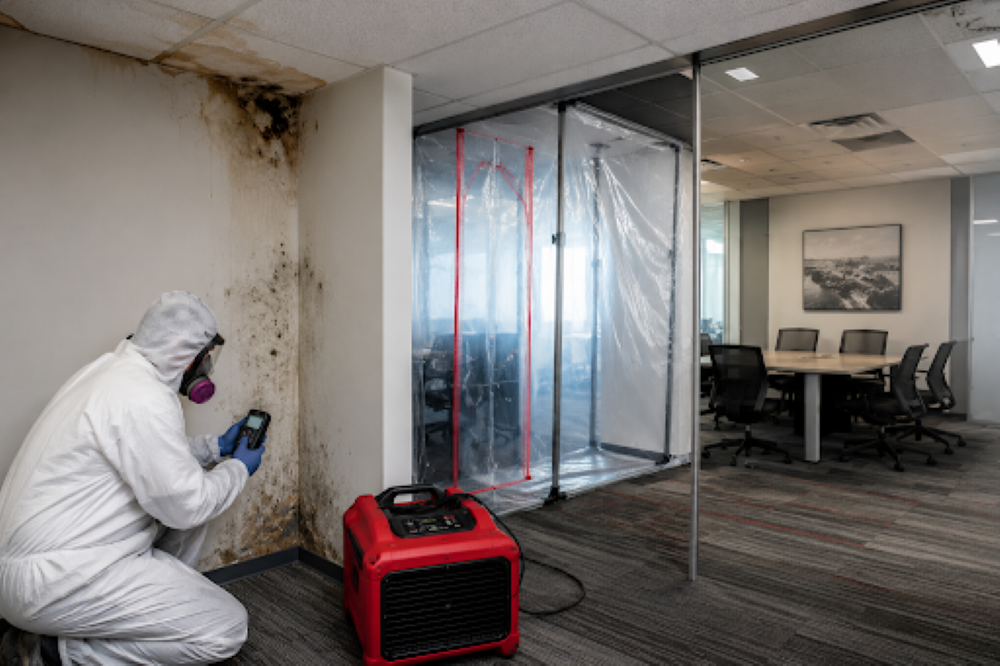
Catching mold early is one of the best ways to protect your team and limit disruption. Many offices see early signs like musty or stale odors in conference rooms, hallways, or restrooms, along with yellow, brown, or dark spots on drywall or ceiling tiles. You may also notice peeling or bubbling paint near windows or exterior walls, recurring stains around light fixtures or near plumbing lines, or soft or damp patches on walls or around window frames.
At the same time, employees may start to report symptoms that happen more at work than at home. Common complaints include:
- Stuffy nose or sinus pressure
- Coughing, throat irritation, or chest tightness
- Itchy or watery eyes
- Headaches or feeling tired
- Worsening asthma or allergy symptoms
One key sign is when people say they feel better after leaving the building for a few hours or for the weekend. Every complaint should be taken seriously, even if it seems small. It is better to check a concern early than to wait for bigger problems.
Timing matters too. In Toledo, warm and humid summer weather, along with heavy storms, can lead to roof leaks, window leaks, and moisture inside walls. If an office already has small leaks or poor ventilation, these conditions can speed up mold growth and make issues spread.
Responding to Complaints and Documenting Conditions
When people start to speak up, how you respond in those first hours can shape everything that follows. Supervisors and HR teams should listen and thank employees for saying something, avoid brushing symptoms off as “just allergies,” and gather the same type of information from each person so the response stays consistent and fair.
A simple complaint form or digital log can help keep things organized. Helpful details to collect include:
- Date and time of the complaint
- Exact location, such as “east side conference room, outside wall”
- What the person saw, smelled, or felt
- Any visible signs like stains, leaks, or peeling paint
- Photos or short videos, if safe to take
- Any recent building events, like a roof leak or HVAC problem
This documentation helps in two ways. It guides whoever investigates the building so they know where to look. It also shows that management took concerns seriously and responded in a structured way, which protects both employees and the business.
You should escalate the situation when:
- Multiple people report issues in the same area
- You see visible mold growth or material that looks suspicious
- There has been recent water damage, such as a roof or plumbing leak
- Odors are strong or get worse over time
At that point, it is time to involve facilities staff, safety teams, or outside professionals with experience in mold issues.
Coordinating Professional Mold Inspection and Removal
In an occupied office, DIY mold cleanup is risky. Wiping or scrubbing visible growth without the right methods can release more spores into the air and spread the problem. It can also increase concerns if employees see untrained cleanup happening in open work areas.
Professional mold removal in Toledo, Ohio, usually follows a clear process:
- Inspection of the affected areas and nearby spaces
- Moisture detection to find leaks or hidden damp spots
- Setting up containment with plastic barriers and zipper doors
- Using air filtration devices with HEPA filters
- Removing damaged materials that cannot be cleaned
- Cleaning work surfaces, contents, and equipment in affected zones
For many offices, one of the most important parts is communication during this process. Staff should know which areas are affected and which are safe to use, why there are barriers, machines, and workers in protective gear, how long certain rooms or sections may be off limits, and where to work in the meantime. Clear, steady updates help keep rumors down and build trust, even if the work is disruptive for a short time.
Managing Employee Safety and Legal Considerations
Employers have a general duty to provide a workplace that is reasonably safe from known hazards. Mold and indoor air complaints can fall under that umbrella, so it makes sense to involve HR and, when needed, legal counsel.
HR teams may need to track health complaints and time away from work, review requests for temporary adjustments to duties or location, and coordinate with safety committees or building management. Some employees may ask to work in a different area, work from home for a short time, or seek medical care.
When that happens, it is important to:
- Respect privacy and keep personal health details confidential
- Share building information such as inspection results in a general way
- Avoid giving medical advice, and encourage employees to talk with their own doctors
Prompt action, strong documentation, and use of qualified restoration professionals reduce the chance of disputes or claims. They also show your team that leadership sees health as a priority, not an afterthought.
Planning Return to Work After Office Mold Remediation
When mold remediation is finished, many employees will want proof that it is safe to return. Managers should work with the remediation contractor and building owner or manager to confirm readiness. This often includes:
- A final visual inspection to confirm there is no visible mold
- Ensuring materials are clean and dry
- Checking that the source of moisture has been fixed
- Clearance inspections or air testing if part of the plan
- Written documentation that work followed industry guidelines
In some cases, a staged return makes sense. For example, you might reopen areas that were never affected first while keeping certain rooms closed during final checks. You may also use temporary seating plans or allow hybrid or flexible work for a short period so operations can continue smoothly while confidence is rebuilt.
To reassure employees, be open with information. You can share a summary of what was found and how it was handled, explain what inspectors looked for in the clearance process, and offer guidance for those with asthma or immune issues to talk to their healthcare providers if they have concerns. When people see that there was a clear start, middle, and end to the response, they are more likely to feel safe returning to their normal space.
Preventing Future Mold Issues in Toledo Offices
Mold problems are much easier to manage when they are caught early or prevented altogether. A simple, steady maintenance plan can go a long way. Focus on:
- Regular checks of roofing, flashing, and gutters
- Inspecting around windows for leaks or failing seals
- Looking at plumbing rooms, restrooms, and kitchenettes for drips
- Making sure HVAC condensate lines drain properly
- Fixing any new moisture spots right away
Indoor climate control is another big piece. In humid seasons, make sure:
- HVAC systems are serviced and filters changed as recommended
- Dehumidifiers are used where needed
- Restrooms and break rooms have good ventilation
- Furniture is not pushed tight against exterior walls so air can move
Finally, create clear policies so everyone knows what to do. Good mold and moisture plans include:
- Simple steps for employees to report leaks, odors, or stains
- Training for supervisors to recognize early signs
- A no-retaliation stance for reporting health or building concerns
- Contact information for trusted restoration partners who can respond at any time
By pairing strong documentation, fast action, professional help, and ongoing prevention, offices in the Toledo area can handle mold issues in a calm and organized way, keeping both employees and businesses protected.
Frequently Asked Questions
What should an office manager do first when employees report possible mold?
Start by taking every complaint seriously and documenting what people are seeing, smelling, or feeling. Then check for visible moisture or damage and arrange a professional inspection if concerns point to mold.
Should employees keep working in the affected area during mold remediation?
That depends on where the mold is, how widespread it is, and whether containment is in place. In many cases, affected rooms are closed off and employees are moved to other areas or given temporary remote work options.
What kind of records should a business keep during an office mold issue?
Keep a clear log of complaints, dates, locations, photos, leak history, and any steps taken to investigate or respond. Good documentation helps guide the cleanup process and shows that concerns were handled responsibly.
How can employers help employees feel safe returning after mold remediation?
Clear communication matters. Share what was found, what was repaired, and what steps were taken to clean, dry, and restore the space before people return.
Can office mold come back after professional removal?
It can if the moisture source is not fully fixed. That is why long-term prevention depends on repairing leaks quickly, improving ventilation, and checking problem areas before damage has time to spread.
Protect Your Property With Fast, Professional Mold Solutions
If you suspect mold in your home or business, our team at PuroClean of West Toledo is ready to help restore a safer environment. Learn more about our specialized services for mold removal in Toledo, Ohio and how we address both visible growth and hidden moisture issues. To schedule service or request an assessment, simply contact us and we will respond promptly to discuss your situation.